
By Earl Bardsley*
The water and energy demand of coming AI data centres in New Zealand is presently getting considerable attention.
The supply of cooling water for the centres is actually a distraction because it is just a matter of having suitable locations.
Singapore-based Datagrid’s AI data centre near Invercargill obtained consent for up to 600 cubic metres of groundwater per day for cooling purposes. This has since switched to rainwater supply.
In comparison, every day about 40 million cubic metres of cold water passes by any point on the Clutha River below Roxburgh. This could provide cooling for multiple AI data centres along the river, just as the Waikato River provides cooling water for the Huntly power station now.
The real issue is about energy.
The already-consented Datagrid AI data centre will by itself amount to more than 4% of the country’s electricity use.
It will not take many such centres to have a major impact. A recent statement by Datagrid in the Otago Daily Times (July 31) identifies Southland and the South Island as having “huge potential in relation to being a data centre hub attracting international tenants”.
Given this rapid development and potential impact, the Green Party has called for a temporary moratorium for data centre consents.
In contrast, both Megan Woods and Simeon Brown seem relatively unconcerned. They see potential for economic advantage, subject to requiring AI data centres to fund their own renewable generation.
However, those interested in setting up AI data centres will not build large and expensive power projects like major river dams or geothermal plants. Nor would they be willing to wait years before those projects are consented and completed.
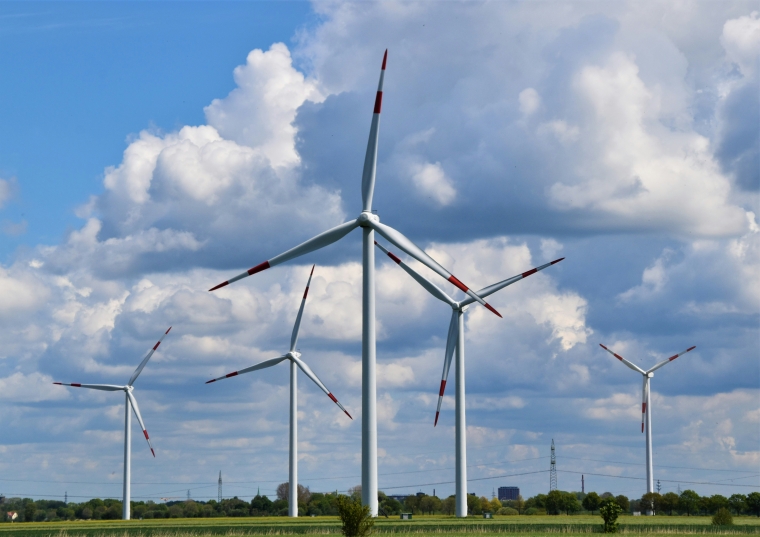
This means that most of their power supply will come from new wind and solar farms.
The intermittency problem
Wind and solar provide intermittent generation. Electricity output flickers over a range of timescales like the proverbial candle in the wind.
Intermittency can’t be offset by adding more intermittency. Any number of solar panels still generate no power at night. Any number of wind farms still generate minimal power when an anticyclone extends over the country.
It is misleading to reference new wind and solar generation presently under construction as being built faster than Think Big. There is a world of difference between having more flickering power and the stable generation from the Clyde Dam on the Clutha River.
Intermittent power by itself is junk electricity, at least from the viewpoint of a large electricity user with constant power demand like an aluminium smelter. The flickering power must first have its low points filled (firmed) with additional electricity coming in from stable generation elsewhere.
For example, Contact’s Southland Wind Farm will provide a component of the power to enable restart of the fourth potline at the Tiwai Point smelter. In addition, there must also be a supply of firming power from somewhere for times when the wind farm electricity output falls short of the potline’s required 50 megawatts.
Compared to an aluminium smelter, an AI data centre has some flexibility against intermittency by varying its power demand. However, this flexibility is restricted.
A recent journal article reviewed large-scale data centre operation with renewable power, concluding that the degree of flexibility is strongly limited by internal service duties and uncertain operating conditions.
This limited flexibility means that firming power is still going to be needed for New Zealand AI data centres. They can’t simply ramp operations up and down in sync with fluctuating power supply.
There are presently only limited sources of green firming power. Grid batteries last only a few hours at full discharge. Geothermal power is baseload and can’t be ramped up when required. There are no pumped storage schemes in New Zealand yet. That leaves just firming from existing hydro generation.
No energy ring-fencing
Any hydro firming for AI data centres means that they must extract a component of their power from the existing New Zealand electricity system, regardless of any new wind or solar farms.
That is, AI data centres cannot use their own wind or solar power to isolate themselves from the New Zealand electricity system. Their firming requirements translate to some amount of decline in hydro lake levels.
The electricity question for AI data centres is therefore not where their power is coming from, but rather where their firming power is coming from.
On the other hand, there could also be energy-positive periods where the new wind and solar farms will generate in excess of AI data centre needs. The opposite effect then applies and hydro lakes rise.
The question is whether the overall sum will end up positive or negative.
That is, an energy measure of the value (or lack of value) of AI data centres in New Zealand is whether their net effect is to create higher or lower hydro lake levels. This is particularly relevant for dry winters.
Higher lake levels mean a net energy gain to the country from the new intermittent renewable generation motivated by the data centres. A tendency towards lower levels means higher electricity prices and increased risk of dry winter impacts.
There appears to be no guidelines or information relating to power supply agreements for AI data centres. A key aspect is whether their power demand can be reduced over extended periods in dry winters as part of the supply agreements.
Environmental impact
Aside from the question of energy gains or losses, there is also the broader issue of the New Zealand environment.
Southland has been here before. The flow of the once-mighty Waiau River along the Fiordland margin has been massively reduced to enable Manapouri power for the Tiwai Point aluminium smelter. Was this environmental loss worth the national economic gain?
Do we really want to make long-term legal commitments to littering the landscape with windfarms and solar panels to maintain AI data centres set up under contracts that have no public scrutiny?
*Earl Bardsley is Research Associate at the University of Waikato School of Science. He is the original proposer of the idea of pumped storage at Lake Onslow in Central Otago, as an alternative to burning coal and gas in dry years when hydro lakes are low. Bardsley spoke about the Lake Onslow idea in an episode of the Of Interest podcast in 2022.
We welcome your comments below. If you are not already registered, please register to comment
Remember we welcome robust, respectful and insightful debate. We don't welcome abusive or defamatory comments and will de-register those repeatedly making such comments. Our current comment policy is here.