
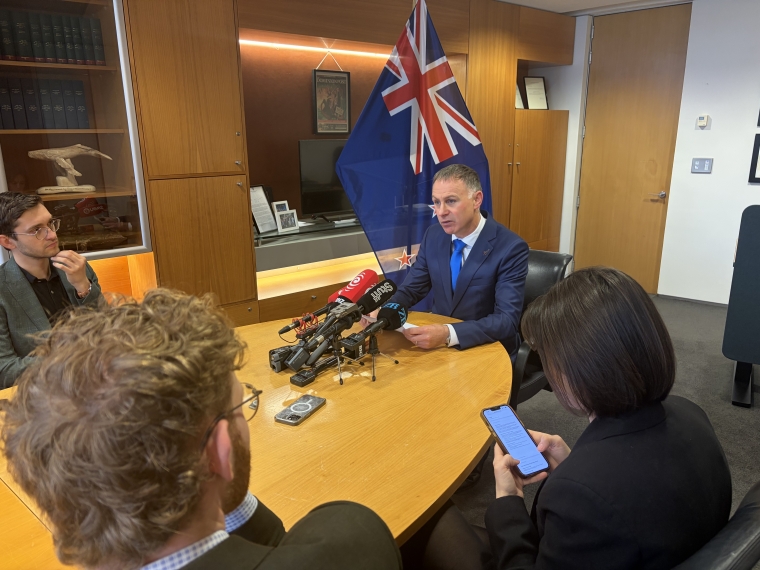
The Government has confirmed its plan to cap annual council rates increases, with a target range of between 2% and 4%.
While the Government's new rules will only come into effect in 2029 - if the proposed change is passed through Parliament after the election - councils will need to consider the range from mid-next year when putting together their long term plans.
Local Government Minister Simon Watts said that for too long, "ratepayers have been hit with steep and unexpected rates increases, adding pressure to household budgets at a time many New Zealanders are already feeling the squeeze."
“Under this legislation, councils will be required to keep annual rates increases within an initial target range of 2 per cent to 4 per cent, putting a brake on excessive increases and giving ratepayers greater certainty."
However, the Government is only taking the Bill through its first reading prior to the election, meaning whichever parties win the election would need to pass it.
Time bound exemptions will be available for councils under exceptional circumstances, such as when the region or city is recovering from a natural disaster, or when a council can demonstrate "prudent financial management and a justified need to operate above or below the target range."
The range will be reviewed every six years and water services are excluded from the cap.
Asked why a council would need to apply for an exemption to go below a 2% rise, Watts said there was a need for councils to "continue to replace, retain, and in effect allow for growth, and so ensuring that there is a process of investment in capital is an important aspect".
"If it was zero, then in effect there would be a risk that assets were not being upgraded and invested in, and they may deteriorate, and that is going to leave a problem for the future."
Rates have been an ongoing, contentious topic with public pushback against rate increases and the Government.
Local Government NZ President Rehette Stoltz said capping rates was a blunt tool.
"Introducing a 4% cap when councils’ costs are increasing at a much higher rate will hamstring already-constrained councils’ ability to maintain investment in the services and infrastructure that people rely on them to provide.
“Local government only gets 10% of the country’s tax take but councils are responsible for about a third of all public infrastructure investment in New Zealand," Stoltz said.
“Councils can’t be expected to deliver more infrastructure, support growth and meet communities’ expectations with fewer levers – the maths just doesn’t add up and something will have to give."
Watts said the median increase last year was 14.2% and 9.2% the previous year.
ANZ economists said council rates inflation hit an average of 12.2% in 2024 after three years of annual increases between 7% and 10% - up from the 4.7% average per year between 1992 and 2019.
A S&P Global Ratings report released in March said New Zealand councils would have less capacity to raise revenue after rises in general property rates are capped, which could “exacerbate leverage in the already highly indebted sector.”
Auckland Mayor Wayne Brown has described rates capping as a "fascinating piece of nonsense from Wellington".
We welcome your comments below. If you are not already registered, please register to comment
Remember we welcome robust, respectful and insightful debate. We don't welcome abusive or defamatory comments and will de-register those repeatedly making such comments. Our current comment policy is here.