
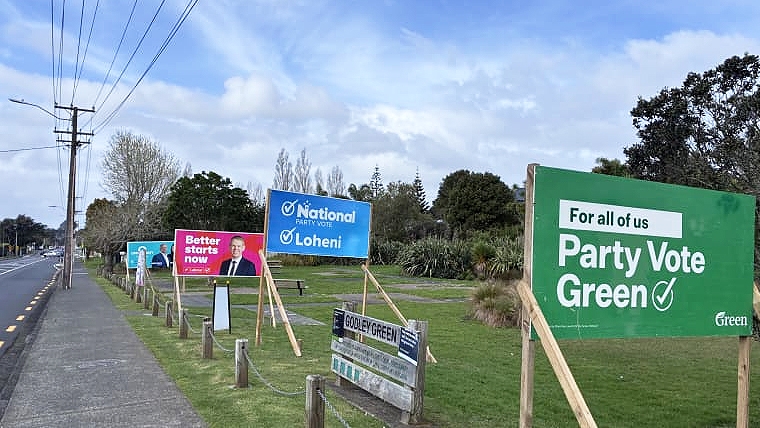
Momentum for MMP scrutiny is increasing following a record level of overhang seats at this year's election, with a collection of MMP heavy hitters signing a letter pushing for a review of the system.
On Wednesday, almost 50 electoral and constitutional experts signed an open letter calling for parliamentarians to adjust MMP settings this coming term after the preliminary results of the 2026 election delivered 11 extra seats in the House. That was due to National and Te Pāti Māori's party support level being proportionally lower compared to the amount of electorate seats they received.
The Parliamentary overhang explained
Titled, 'Keep the 'P' in MMP,' the letter signatories called on parties to commit to safeguarding the proportionality in the Mixed Member Proportional system. The signatories included all members of the 2023 Independent Electoral Review, former Electoral Commission chair and chair of the 2012 MMP review Hugh Williams, former PM Geoffrey Palmer and New Zealand political academics.
"The proportionality of MMP is now at risk," it said.
"Under MMP the party vote should be the primary vote determining the number of MPs each party gets, with the electorate vote only determining who represents each local community in Parliament."
It said the 2026 election had exposed "a significant weakness in some of the specifics of how New Zealand’s MMP works."
"There has been a breakdown, both accidental and deliberately engineered, in the purpose of the party and electorate votes that we have not seen in the 30 years New Zealand has had MMP."
It said the preliminary results from this election would give the party which received the second highest party vote six more MPs than the party with the highest party vote (in reference to National and Labour), with another party receiving five times the number of MPs its party vote allocated it (in reference to Te Pāti Māori).
"There are significant risks that future elections will be an arms race of who can best shepherd their voters to create disproportionate results for their party or bloc of choice," it said.
The letter called for a select committee inquiry where all parties were represented, and to adjust the settings this term.
It gave examples of changes to "safeguard MMP as a proportional system into the future", such as increasing the number of list MPs or reducing electorate MPs, combine the proportional vote and the local representative vote, rule out large disproportionate overhangs and adjusting voting rules in Parliament.
Political activist Harry Mowbray, who was behind the 'split your vote' campaign, agreed there should be a review of MMP, calling it "a shockingly bad structure and one designed to fail the country and I have tried to highlight its issues for nearly 20 years", but said it needed to start broad and be independent from politicians.
"I do have a very big problem with this letter in that it is prescribing structure. In my view that is the wrong place to start," he said.
"When problem solving you need to start with an in-depth brainstorm. The criteria and then the structure will fall out the bottom of the brainstorm."

It was only in August the NZ Herald's story headlined 'National in disarray over Christopher Luxon’s sudden bombshell MMP comments' detailed the reaction to Luxon's surprise comment that he was open to a referendum on MMP if re-elected. Then on election night, Luxon said in his speech, "tonight New Zealand has voted, and it looks like certainly an MMP special."
Since the election, mixed views by politicians have pointed largely to an appetite to look at the system.
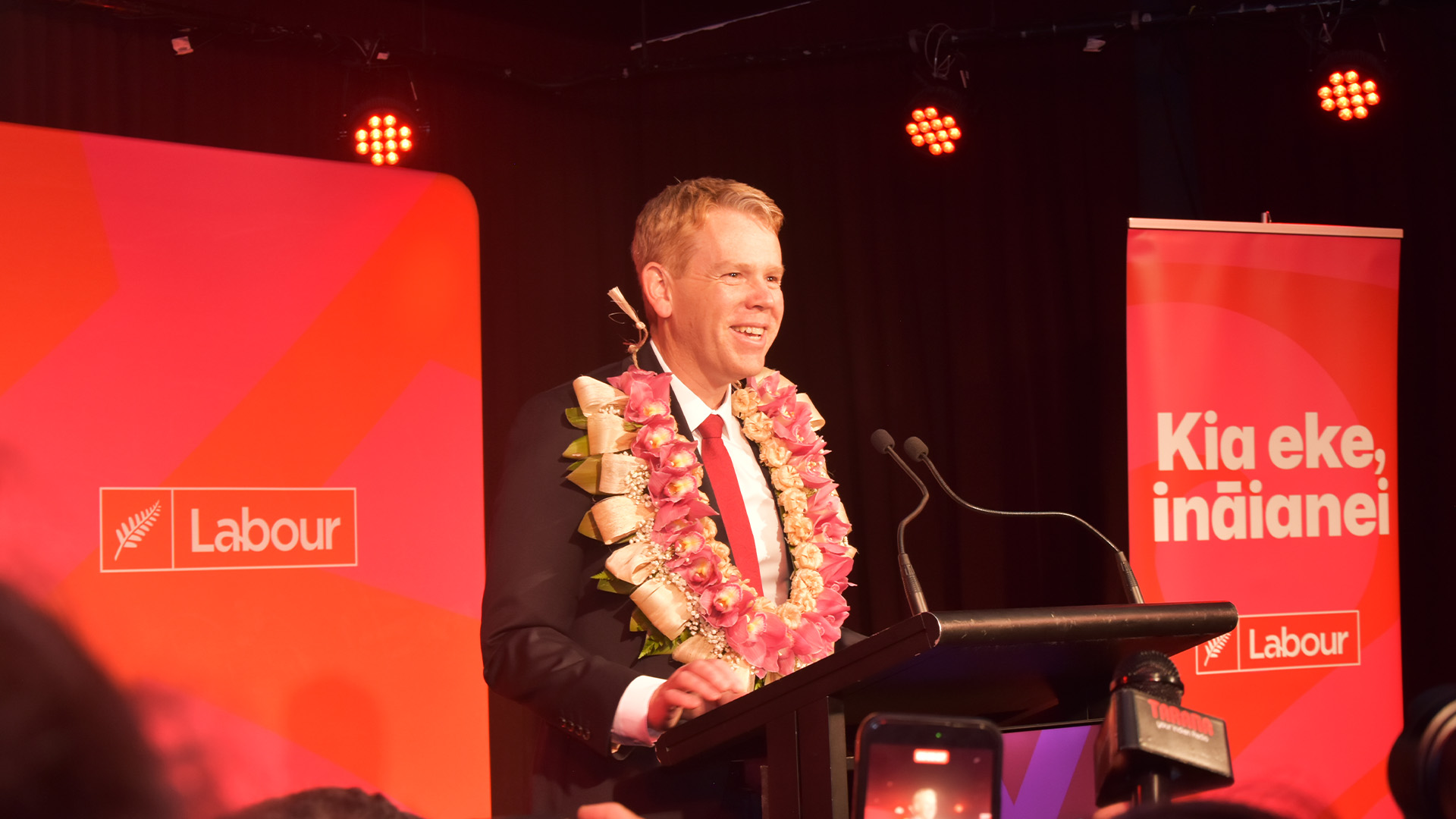
Labour leader Chris Hipkins said last week it was important once the dust had settled post-election that a discussion is had on whether the large overhang was "a desirable feature of the system, or whether there should be further discussion around what should happen about that in the future."
"But there will, I'm sure, be a conversation about whether there should be further changes to potentially prevent the sort of overhang strategy that we've seen in this election."
Asked if it was frustrating to have slightly higher party vote to National but receive fewer seats, Hipkins said they would have more to say about that once the final count is released.
On a potential review, ACT leader David Seymour said ultimately, "the vote belongs to the people".
"Voters are entitled to use their two votes however they choose, and political parties should respect their decisions."
Green Party co-leader Marama Davidson supported the call to review MMP.
“On the preliminary count, this election has produced an 11-seat overhang, the largest since MMP began. Many people are rightly concerned about whether Parliament reflects how they voted, and about the long-term implications of an overhang that makes Parliament less proportional."
We are open to whichever option best keeps Parliament proportional provided the public have a clear and transparent opportunity to have their say on any change," Davidson said.
“Any change must uphold Te Tiriti o Waitangi and protect the Māori electorates, which guarantee tangata whenua representation in Parliament.”

We welcome your comments below. If you are not already registered, please register to comment
Remember we welcome robust, respectful and insightful debate. We don't welcome abusive or defamatory comments and will de-register those repeatedly making such comments. Our current comment policy is here.