
The latest IPCC report coming out with the backdrop of the wildfires in the northern hemisphere certainly captured the attention of many, as well as media. The New Zealand section of the report was somewhat interesting as it flipped some of what I, at least, considered to be usual predictions on their head. Mainly that the east coast of New Zealand is likely to get more wet over the summer months.
Presumably this is likely to be in large dollops, but floods aside, rain certainly beats a drought and its accompanying stresses in my book. Along with the east getter wetter the west, over summer, is meant to be getting drier. The reverse takes place in winter.
If these predictions do take place not only will farmers lives potentially get easier, but it should aid the environment with waterway flushing occurring at a time when most needed. I personally won’t be putting the irrigator away, but it is a nice thought to go on with until proved wrong. Without the IPCC New Zealand predictions, the alternative thoughts lead to the raised likelihood of wildfires, heat and drought. Not nice.
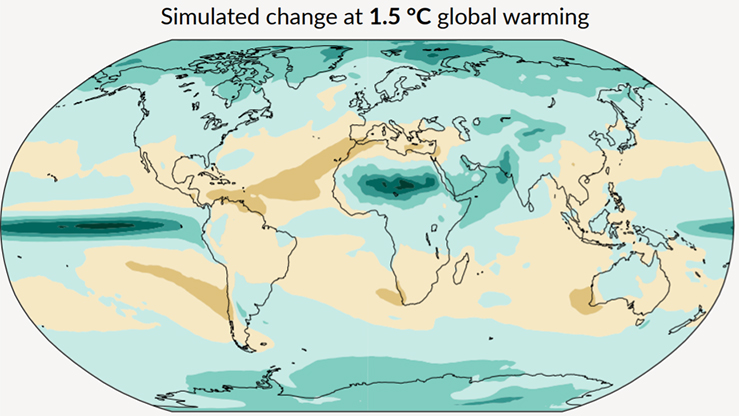
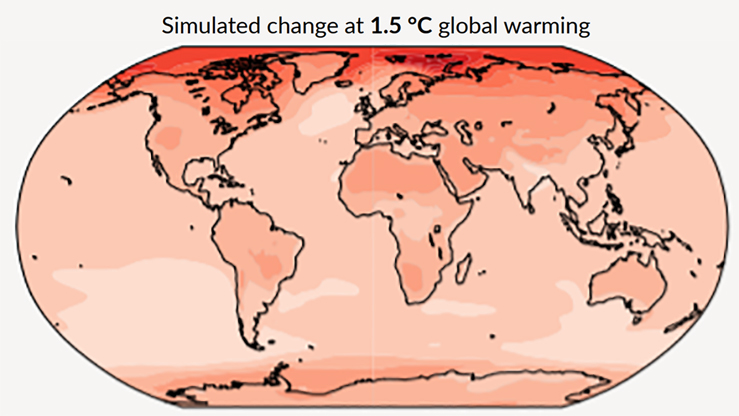
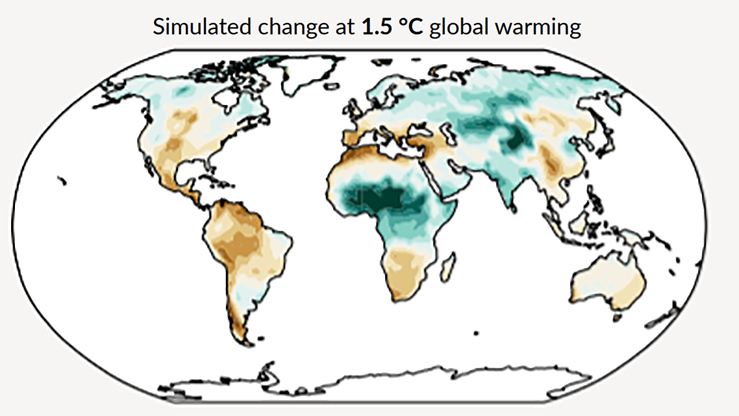
The global view maps below of annual mean precipitation and temperature change (%) relative to 1850-1900 helps to show what that looks like. New Zealand’s colour generally resembles that of the surrounding ocean and soil moisture looks very much like what we currently experience. However, temperatures are going to increase. Good, bad and otherwise. Remembering of course these are simulations and while what is being experienced at the moment comes close to matching the simulations there is no guarantee this will continue. Changes at +1.1c of long-term average may be accurate but when the temperature heats further changes may move faster (or slower) than simulations show.
A). Annual precipitation change

B). Spread of temperature change across globe

C). Impact of precipitation and heat on soil moisture

The increasing clamour of noise concerning Covid-19, climate change and for farmers; pressure regarding impacts on waterways, must getting under farmers’ skin. The younger fraternity especially must be wondering what way to turn.
Perhaps the best hope for them lies in the fact that despite the chaos that is beginning to ensue around them, whatever they chose to produce, it will be in demand as these same impacts will affect others offshore far worse. Perhaps cold comfort benefiting from others misfortune; however, farmers inevitably will be appreciated in the future.
Once the water issues are sorted (and they will, because they have to) dairy farmers may start to enjoy life again.
An under-read article quoting a OECD-FAO report highlights the issue of looking at New Zealand dairy farmers externalities in isolation. Currently New Zealand production is produced with a smaller GHG footprint than the vast majority of competitors.
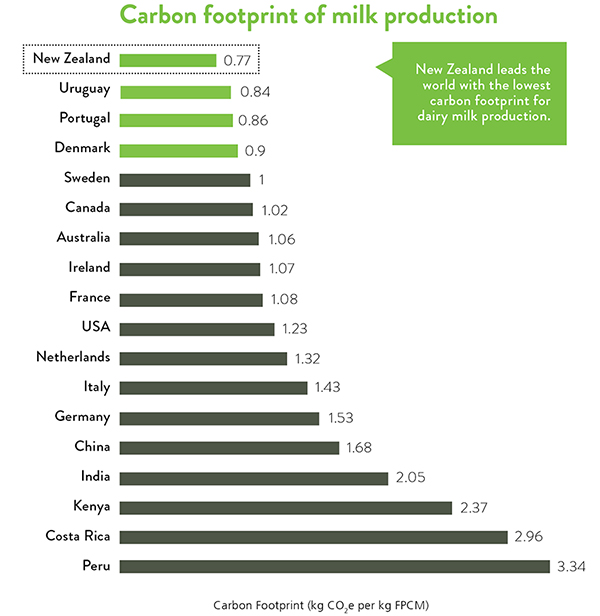
In the meantime, in less regulated regions, they predict dairying to grow by over 30% and 22% overall. However, perhaps little regard has been taken of the climate changes. Growth is being driven by consumer demand but meeting this extra demand may be more difficult than expected.
What every farmer knew
Finally, the news that Overseer has been found wanting will come as no surprise to farmers and consultants alike. They have been pointing out deficiencies since the model was first mooted to be used for calculating nutrient losses on farms.
I was also conditioned to believe “all models are wrong, good models are useful”. There are now serious question marks over whether or not Overseer can be considered a ‘good model’, and it may be considered to be misleading. Farmers have spent $10,000’s responding to Overseer output and trying to comply with regional council regulations. The PCE commissioned report now throws considerable doubt on the wisdom of councils using Overseer as their tool of choice.
Unfortunately, coming up with an alternative is going to take time, time we don’t have. Perhaps a different approach is going to have to be used. Whether it will be any more palatable to land-owners remains to be seen.

We welcome your comments below. If you are not already registered, please register to comment
Remember we welcome robust, respectful and insightful debate. We don't welcome abusive or defamatory comments and will de-register those repeatedly making such comments. Our current comment policy is here.