
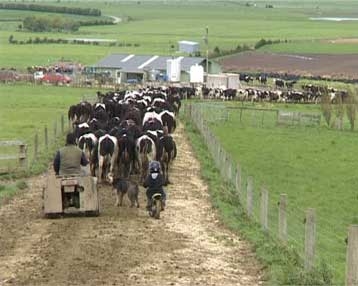
More good follow up rain will have added to grass growth prospects, as feed conditions are now above average and most cows will be fully fed on pasture alone.
Although in some areas such has been the rapid growth of the grass some are complaining it is too soft and are adding straw and pke to the diet so it can be fully utilised by the animals.
The Opuha dam in South Canterbury is full to overflowing and other water storage schemes in Canterbury are near to securing adequate irrigation supplies for the dry months ahead.
The big rise in soil temperatures has lifted supply above animal demand, and paddock rotations are being sped up with some are now being shut for silage.
In the North Island most of the management issues centre around too much rain, with the Waikato region recieving 24 rain days in the last 26 and some farmers are reporting milk flows are back on last year.
Wet conditions have held up silage making and any summer crop preparation, and muddy pastures have seen managers resorting to faster rotations with higher than optimal residuals, to ensure animals only eat quality feed.
Soft lanes have caused some feet issues and toppers will be needed soon to tidy up unutilsed pasture as a result of the wet conditions.
Southland has reported a bumper spring and while they are further from mating, they are still near to shutting up silage to keep pastures under control
Well fed cows have stimulated cycling, and with body condition scores better than the norm, managers are hoping for a successful mating.
Rabobank has reported that global milk supplies have fallen faster than expected in the face of firm demand for dairy products, and this is the driver for the recent upturn in pricing.
However last week’s global dairy trade event saw prices ease by 3% with the powders leading the fall, as the market looked to settle after the big rises in the last two months.
Palm kernel biosecurity became an issue as a ship with poor documentation was prevented from discharging its cargo as MPI officials stood firm to prevent a breech.
Shortages of quality calf milk powders has disappointed rearers, after it appears more young calves have been kept to satisfy the beef demand, and fill predicted shortages of female replacements as dairy’s prospects improve.
Dairy prices
Select chart tabs
We welcome your comments below. If you are not already registered, please register to comment
Remember we welcome robust, respectful and insightful debate. We don't welcome abusive or defamatory comments and will de-register those repeatedly making such comments. Our current comment policy is here.