

BNZ intends to launch what it says is the first comprehensive open banking payments and point-of-sale product in New Zealand next year, with an app for consumers and a back-end system for merchants.
Called Payap, the app is compatible with all the major banks, with the drawcard being much lower merchant fees than usual - 0.39 per cent as opposed to 1 per cent on average. BNZ said this would save a business with a $100,000 monthly turnover up to $7,320 on an annual basis.
BNZ said the e-commerce fees are around 80 per cent lower than typical providers.
Payap was built for BNZ by Auckland's Centrapay. The chief executive of Centrapay, Greg Beehre, said Payap is New Zealand's first comprehensive digital payment service that leverages the power of open banking to fill a clear gap in the country's market.
Adding Payap looks like a fairly frictionless experience for merchants and their customers.
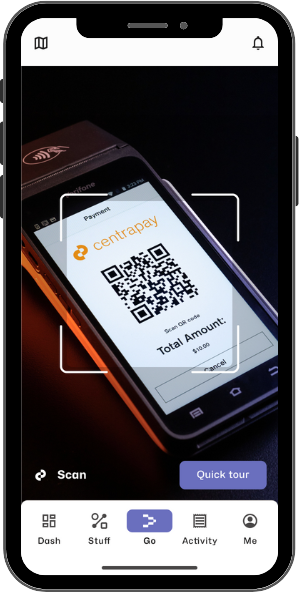
The app operates by customers scanning quick response (QR) codes generated on electronic funds transfers at point of sale (EFTPOS) terminals. This transfers payments instantly from customers' bank accounts.
Update: While funds are withdrawn instantly from customers' accounts, the payments land in merchants' accounts the following morning.
As Payap bypasses traditional payments processing systems, it provides a low-cost e-commerce solution, BNZ said. Steep merchant fees which other systems such as Paywave charge which businesses often add to purchases as a surcharge at the point of sale have become a contentious issue in New Zealand, with the government threatening regulation.
"Payap works with approximately 90 per cent of existing EFTPOS terminals across New Zealand, so no need for new hardware for the vast majority of merchants," BNZ's spokesperson Will Edmonds explained.
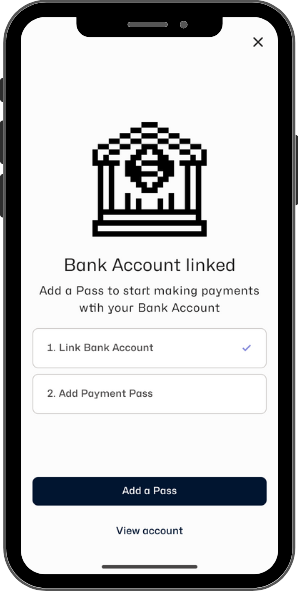
Edmonds added that Payap's security is built into the payments process.
"When customers scan a QR code, the merchant's name appears in the app for verification," Edmonds said.
"The QR codes are dynamically generated through payments terminals with the same strict security and access controls as existing EFTPOS and card payment systems," he added.
BNZ said Payap merchants can create and manage loyalty programmes to reward customers. The system also provides enhanced visibility over transactions and the ability to manage discounts and refunds through a dedicated portal, BNZ said.
Furthermore, Payap will come with a store finder map with location information, business details and the ability to add special offers for app users.
To make Payap attractive for consumers, BNZ and CentraPay said the app can be used to manage bank accounts, loyalty and gift cards in one place. Payap also supports payments split across multiple sources with different bank accounts, debit cards and/or gift card balances seamlessly.
Bills can be split easily, and Payap also supports expenses shared with friends, through peer-to-peer payments which will be added later next year. Payap also keeps receipts in one place and BNZ said the app will provide insights to provide a view users' spending patterns.
Merchants can register their interest in Payap now, but the consumer launch won't take place until March 2025. At that point not all features will be available in Payap, but core payments, acceptance and rewards features will be.
Although Payap's not released yet, industry organisation Retail NZ has come out in support of the digital wallet and PoS app.
“This is an innovation that New Zealand retailers have been waiting for,” Retail NZ chief executive Carolyn Young said.
“Demand for secure, fast and convenient digital payments is increasing in New Zealand but to date, we have had limited access to the latest technology in this space. We are looking forward to seeing the impact that Payap and other new providers will be able to offer," Young added.
We welcome your comments below. If you are not already registered, please register to comment
Remember we welcome robust, respectful and insightful debate. We don't welcome abusive or defamatory comments and will de-register those repeatedly making such comments. Our current comment policy is here.