
The Radio Spectrum Management (RSM) team which falls under the Ministry of Business, Innovation and Employment (MBIE) says it has successfully blocked access for Kiwis to buy devices that contain radios that are non-compliant with local regulations.
Such products can be found online on Alibaba/AliExpress, eBay, Facebook, Amazon and even Trade Me. The problem here, RSM's national manager Claire Smollett explained, is that the devices can operate in licensed channels. That in turn can cause interference with critical communications systems, in for example aircraft and ambulances.
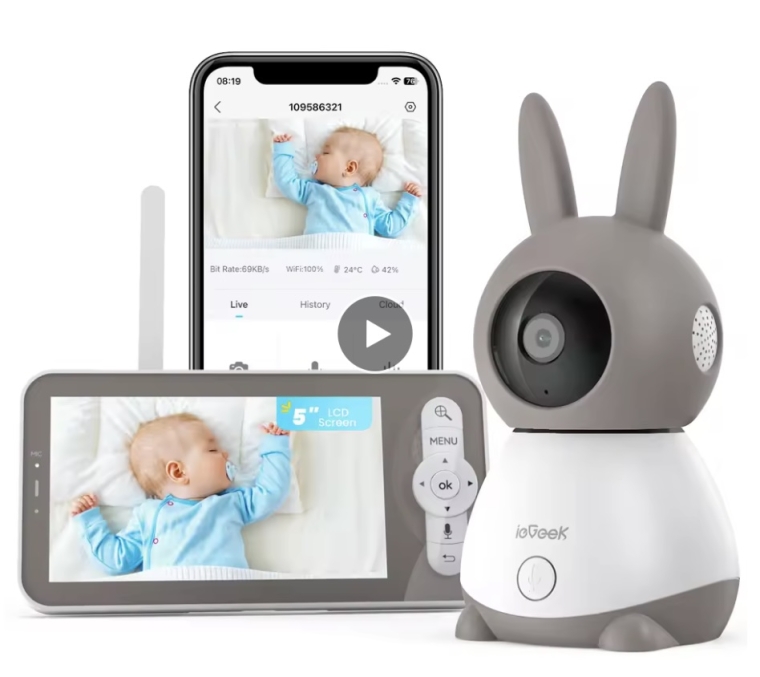
RSM didn't give many specifics as to the devices, but Smollett mentioned a baby monitor bought online that the agency managed to track down, which was interfering with One NZ's network.
"The device was emitting signals that disrupted local communications services, that led to us having to request the owner to stop using it," Smollett said.
Which was very nice of RSM, as legally, the owner of the interfering baby monitor could've been hit up for up to $30,000 in penalties. Body corporates can be penalised up to $200,000 for squelching radio comms.
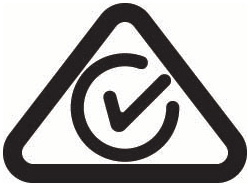
Global Positioning System (GPS) and mobile phone jammers are completely banned in New Zealand, RSM said. Devices need to have the Regulatory Compliance Mark (RCM), which looks like this:
There's also the R-NZ mark on wireless radio transmitting and other electronic devices, RSM said.
Some products require a licence as well.
Over 35,000 non-compliant products were targeted by the RSM, which partnered with the above mentioned market places. The problem here is that many people are not aware that devices with radios bought overseas can cause interference, even though the onus is on the purchaser to ensure that the gear is compliant with local regulations.
Update I was curious how the blocking of the 35,000 products at the market places - most of which are overseas - is done, and Claire Smollett got back with some answers:
"RSM uses a combination of techniques to ensure non-compliant radio products are not available for purchase in New Zealand. Geo-blocking is one such approach, but it doesn’t involve blocking New Zealand IP address ranges. Instead, online marketplaces like Temu and Alibaba work with sellers to restrict visibility of non-compliant products to New Zealand users," Smollett said.
"For example, these products may still exist on the platform and be available for sale to other countries, but they are flagged as “not for sale” in New Zealand. This means they won’t show up in search results or will be marked as unavailable for shipping to New Zealand addresses," she added.
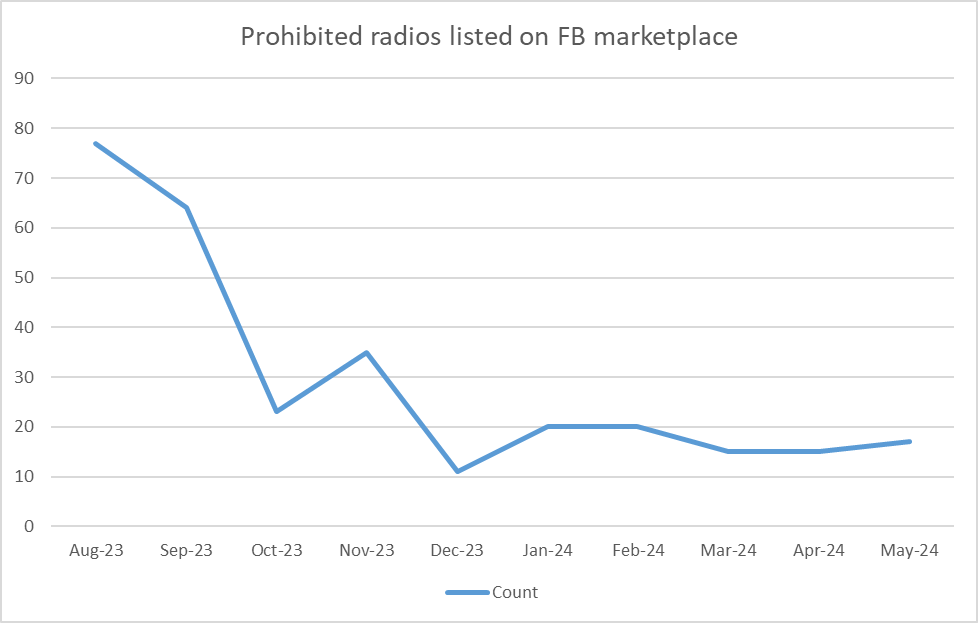
"In other cases, we’ve worked with platforms to have listings removed entirely, particularly when geo-blocking isn’t an option, or the product poses significant risks. For example, Facebook marketplace trend of listings removed not geo blocked."
"By collaborating with these platforms, we’ve successfully addressed over 35,000 listings during the last financial year, giving New Zealand consumers better protection from harmful interference caused by non-compliant devices," Smollett said.
We welcome your comments below. If you are not already registered, please register to comment
Remember we welcome robust, respectful and insightful debate. We don't welcome abusive or defamatory comments and will de-register those repeatedly making such comments. Our current comment policy is here.