
Electric car sales are mainstream now, well passed their tipping point to market acceptance.
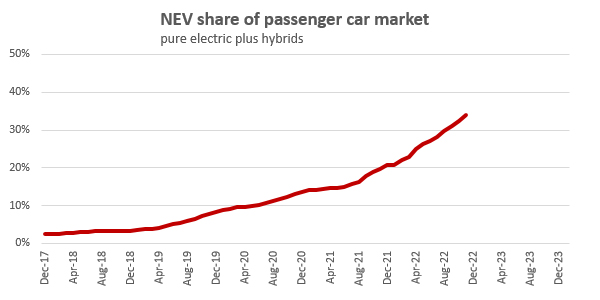
There were 11,175 new passenger cars sold in November and 2,488 of them were pure electric, 22% market share.
In addition, there were 542 plug-in hybrid sales in November, plus another 1,704 petrol hybrids.
All up that was 4,734 passenger cars that are "new energy vehicles" (NEVs) of some sort, a massive 42% share of all new cars sold. The 50% share is coming quickly, and a quick extrapolation of the trend suggests that by the end of 2023 that share could easily rise to close to 60%. This sector has momentum.
And the fastest growing segment is turning into the pure electric category.
The pace of sales for pure electrics (EVs) more than doubled in the past six months from the first six months of 2022.
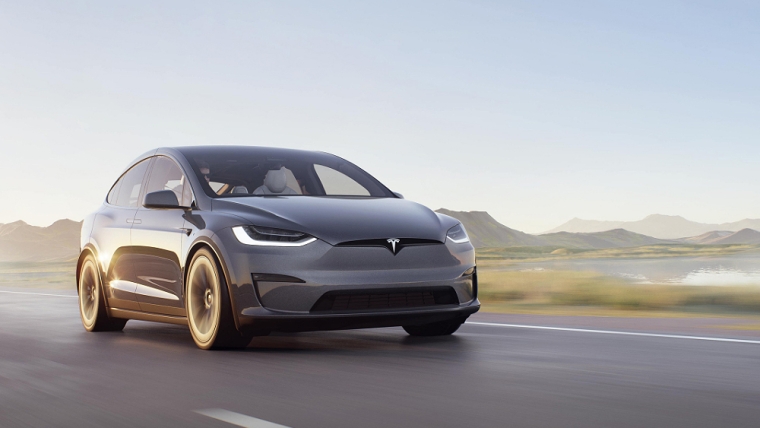
Dominating EV sales have been the sales of Teslas. This is not new. Since they started shipping to New Zealand, they have arrived in inconsistent shiploads. The 2021 shipments featured Tesla Model 3s, a sedan version. But since August 2022 when they started shipping Tesla Model Y, the SUV version, Kiwi preferences for that have supercharged sales. 1502 were sold in September, and 1099 were sold in November, making the Model Y easily the most popular of passenger vehicles being sold. There were 3,358 of them sold in just the past four months.
The lack of NEV or electric options is handicapping the used import trade. The November used import sales were -37% below year ago levels, and the fast fall-away has now tipped the 12 month rolling average negative, -6% in 2022 compared to 2021.
What is not suffering is the preference for SUVs. Aided by those big Tesla Model Y shipments, SUVs still command 76% market dominance.
We welcome your comments below. If you are not already registered, please register to comment
Remember we welcome robust, respectful and insightful debate. We don't welcome abusive or defamatory comments and will de-register those repeatedly making such comments. Our current comment policy is here.