
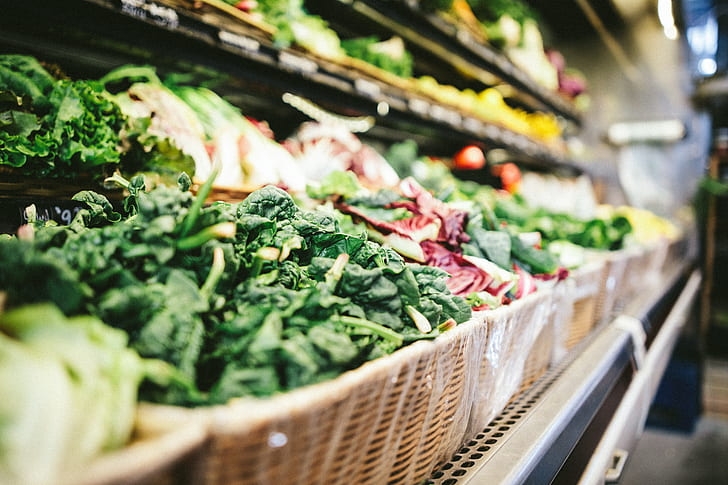
In a turbulent, high inflation world surging food prices are pushing up the cost of living. Coming hot on the heels of the Covid-19 pandemic when global supply chains went haywire, food security has moved up the agenda in New Zealand. Is it possible that improving it could help keep a lid on food prices?
Food price inflation hit 12.5% in NZ for the April year, the highest annual rate since 1987.
A global inflation battle and rising interest rates, Russia’s invasion of grain-exporter Ukraine, a series of severe storms, and Covid-19 induced supply chain chaos have all contributed to ever-rising grocery costs.
The United Nations food agency's world price index rose in April for the first time in a year, with higher prices for sugar, meat and rice, and declines in cereals, dairy and vegetable oil price indices.
The sugar price index rose 17.6% from March, hitting its highest level since October 2011.
There are concerns about weak sugar production from India and China, and production is also expected to fall in Thailand and the European Union. Meanwhile, China's wheat harvest is being disrupted by New Zealand's summer food production foe: rain.
It appears the only certainty with food prices in 2023 is uncertainty.
Can we reduce food prices, and improve New Zealand’s food security at the same time?
Planting seeds of change
Ping-ponging wheat prices have been one of the most visible side effects of Russia’s invasion of Ukraine.
Ukraine is a major global exporter of grains. Off the back of the Russian invasion, wheat prices hit an all-time high of US$14.30 a bushel in March 2022. A deal to allow grain out of Ukraine again has just been renegotiated.
New Zealand imports about the same volume of cereals such as wheat and barley as it grows, with about one million tonnes of cereal grains produced here.
We import most of our wheat (89%) from Australia, as well as 35% of NZ's rice and almost all barley imports, while 59% of imported maize comes from Europe and 40% from the US.
Only rice has a diversified supply chain, a 2020 Manaaki Whenua - Landcare Research report found.
This report concluded that any disruption in one trade channel could mean NZ no longer had sufficient cereal grains to meet domestic needs, at an affordable price.
Foundation for Arable Research (FAR) GM of business operations, Ivan Lawrie, says New Zealand is an expensive place to grow food including grains, and “we will never be cheaper than our imported counterparts”.
“Our labour costs are expensive. Compliance costs are expensive, land costs are really, really high," he says. “Transport is expensive … Everything is more expensive. No matter how good we are at producing, and we get very good quality yields, we’re expensive.”
Some New Zealanders do eat bread made from NZ wheat. South Island bread is all made from NZ-grown wheat because it's grown there, while bread in the North Island is made from Australian wheat. That's due to logistics and shipping costs, Lawrie says.
Lawrie says NZ's close relationship with Australia means we should be OK for wheat imports long-term. The issue NZ faces is shipping costs and shipping frequency, he says.
NZ’s grain industry got a boost from the Ukraine war. NZ grain became more affordable as shipping costs rose, and the war pushed up prices for commodities, “meaning NZ grain was competitive again”, Lawrie says.
That's not the usual picture. Lawrie says the industry has been trying to keep the NZ arable sector ticking over, working with promotional groups and artisan bakers, for example, to push the message that NZ-grown cereals are “second-to-none”, other than the market leader, Canada.
“This year in particular, we've had a very good harvest, very good quality. Our product is awesome. However, we reached a situation in 2018 where we hit rock bottom in terms of milling wheat production in New Zealand, to the extent that it sort of fell below critical mass. That's why we launched the campaign to get our volumes up again to at least 100,000 tonnes.”
It's a long way from self-sufficiency; forgone in the regulatory destruction of the late 1980s and the death of the Government-owned Wheat Board.
FAR research has shown consumers would pay up to 20 cents more for a loaf of bread made from New Zealand-grown wheat, he says.
Whether that would still be the case now with the cost of living crisis is another question. The industry is pinning hopes on consumer awareness, and building a brand around New Zealand wheat and grains.
Growing for NZ consumption is a tricky business. Historically contracts between mills and growers were signed two years from harvest. Everyone involved is taking a great risk on those deals made so far out, Lawrie says.
The foundation has worked with mills to try and speed up the process, so growers can commit to crops.
“Millers and growers are now looking at more flexible and more long-term arrangements,” he says.
NZ does have more land it could plant out with crops. But dairy has simply been more profitable, Lawrie says.
"We would like to see a level playing field in terms of the traceability of the product. We commit, for example, to zero glyphosate applications during the crop. We need to be highly compliant with our fertilisation practices, and meet regional and local national regulations. We are very conscious about security in New Zealand, and every thing that we import from overseas poses to some extent a biosecurity risk. So, those are all things that we are conscious of."
Lawrie is supportive of the idea of a national food plan, similar to what has been adopted in Australia, so growing food in NZ is a policy priority.
Australia has a "vision" for food which includes goals to increase agriculture and food-related exports, adopt new practices to increase food production and to "build high level of food security to continue ensuring access to safe and nutritious food to those living in remote areas and struggling with disadvantages".
It also established the Australian Council on Food to work with industry and community leaders, and give advice to the government in implementing the plan.
Inflation finally flattening?
United Fresh produce group boss Jerry Prendergast says New Zealand’s fruit and vegetable growers have faced extraordinary circumstances and relentless bad weather.
Look at tomatoes for an example, he says. A very high purchase item for NZ shoppers, but also a crop under particular strain, with “tremendous” disease affecting the yield from NZ glasshouses throughout 2022, keeping prices elevated.
Growers are also just like NZ households. They’re facing inflation, Prendergast says.
“You've got this constant underlying pressure of inflation, right, and please, so has every other business, so a vegetable grower is not entirely unique here … You've got constant underlying drivers, which has really been tough for these growers. It’s fuel costs, freight costs, packaging costs, labour and wages is one of the biggies.”
Tending to, looking after crops and harvesting is incredibly labour intensive, Prendergast says, with some on-farm gangs numbering 120.
Growers have fertiliser costs, and while they’ve dropped back a bit more recently, the cost of fertiliser is still higher than in 2020.
Growers are also facing “basic, increased compliance costs”, and the cost of money, or debt to the bank, is also rising along with interest rates, he says.
The most recent unsettling news for growers came in the shape of a potential fertiliser tax, which Agriculture Minister Damian O’Connor said recently had not been ruled out.
Growers, and other farming industries, are also waiting for a decision from the Government on a potential agricultural emissions pricing scheme.
“Sometimes these are the straw that breaks the camel's back for some growers,” Prendergast says of the fertiliser levy. “Some growers may say I'm out, I don't want to do this anymore. I can't make it work.”
He says there has to be a greater understanding of the costs of growing nutritious food in New Zealand.
“[Farmers] need to be supported, because we actually need food security.”
The industry doesn’t want trade barriers or help of that nature, Prendergast says, or subsidies like those seen in many other countries. They need to be “accommodated”, Prendergast says. We can’t import leafy greens, we can’t import all vegetables.
“It's a tough gig, and having to deal with Mother Nature's problems, let alone all your business elements which come into it … Farmers have been really through a tough period as the new requirements around water, water runoff, land use, urban sprawl, all of those factors have been really, really tough on them.”
Prices finally falling?
There is a light at the end of the inflation-tunnel for farmers, and that should hopefully translate to cheaper prices at the supermarket, Westpac senior agri economist Nathan Penny says.
“Some of those big ticket things that have been really driving inflation, there's some relief coming," Penny says. "On feed costs, pasture and grains, and things that farmers feed to the livestock. That's the silver lining to the weather. Pastures have been supercharged, so the cost of feed is starting to fall. Same kind of thing with fertiliser. The spike that we saw last year, off the back of the Ukraine/Russia war, has started to ease the fertiliser price … And similarly with fuel. And interest rates.”
A 2018 report from the New Zealand Institute of Economic Research found that NZ farmers’ share of domestic food prices, what they earn, remained constant over time (the report looked at 2008 through to 2019) at up to 23%.
This report found fruit and vegetable prices were “easily the most volatile component of the Food Price Index”, and had year-on-year price fluctuations of between 14% and -4%.
Of particular note in the most recent Statistics NZ Food Price Index was vegetable and fruit prices, which increased by 22% in the April data.
Penny says for consumers, the fast-growing cycle of vegetables, compared with livestock losses or losing an apple tree, would quickly be reflected in lower prices in stores.
Many NZ-grown vegetables are already back in plentiful supply, Prendergast says.
It only takes eight-to-10 weeks of the right weather, and there are plenty of NZ-grown veggies to go around, decreasing the cost consumers pay at the supermarket, he says.
Conditions have been great for broccoli, cauliflower, lettuce and cabbage after the very wet beginning to the year, Prendergast says, and consumers would have already seen cheaper vegetables in the grocery store when Stats NZ published its shocking April Food Price Index.
“Last month when [the Food Price Index] came out, we already saw some very, very good value had been happening for nearly three weeks by the time it came out. It turned around quite quickly,” Prendergast says.
Cauliflower had been about $7, lettuce about $5 and cabbage up to $7 at the peak, Prendergast says, but those prices had subsided as new crops were harvested and sold, which saw broccoli and lettuce drop to about $2.50. Mandarins are currently “very good eating”, he says, and good value too at about $4.50 a kilogram. But apples may not have such a bumper season after Cyclone Gabrielle.
And now, keeping them down
What can we do to help keep food prices down? Slow the regulatory load on food producers, Penny says.
“If we’re thinking about things like food security, and the cost of nutritional, healthy food in particular … If we're thinking about that, at the same time we are regulating or introducing compliance on food production, then we need to have a better idea of the trade-offs, and have smarter policies that get us a win-win.”
Such a win-win can be found in the level of nutrient run-off allowed in vegetable growing regions, Penny says. It's higher to allow production of food.
Penny says one of New Zealand farming’s biggest challenges is that there are no subsidies.
On average farmers in Organisation for Economic Co-operation and Development (OECD) countries get 17% of their income from subsidies. In New Zealand it's less than 1%, he says.
“Farmers are not subsidised in the same way that many, many other farmers around the world are. When we're thinking about things like food security, we do need to be conscious of how we help farmers help us as consumers, and produce the food that we want. The other thing is that we trade, and the majority of our food goes offshore. We end up paying the world price for food. In a way, we want it where we can reduce costs for our farmers, and also increase the purchasing power of our consumers. Keeping in mind that we don't subsidise our farmers generally, but good smart policies can make things easier, and that can flow through and to consumers.”
He says New Zealand is missing a food security policy.
"If we have that in the mix, then we can make those balanced decisions getting going across all the different goals [affordability, environment, farm incomes] that we have."
NZ made matters
In 2020 Manakki Whenua - Landcare Research's Suzie Greenhalgh and Tarek Soliman wrote that a focus on premium products for export meant NZ’s food security, feeding its own people, hadn’t been much of a focus.
Their paper, Rethinking New Zealand’s food security in times of disruption, argued we should pay more attention to food security at a national level.
Climate change-induced droughts and floods would temporarily change food production patterns, the report said. Covid-19 and other crises will disrupt supply chains, and the very soils needed to grow food will be lost to housing.
Among the imported staples at risk in an increasingly turbulent world are sugar, wheat, maize, rice and coffee, Greenhalgh says.
Some of these at-risk staples are used to feed livestock. They come from limited sources, “so any disruption in trade flows or production in those countries will severely affect New Zealand’s food production”, the Landcare researchers wrote.
Sugar, for example, could be a big problem if imports are interrupted, Greenhalgh says.
We need sugar not only for at-home baking and cups of tea, but it's used to manufacture beer and bread. In 2018 NZ imported about half a million tonnes of sugar for direct consumption and food processing.
If we wanted to be self-sufficient we could perhaps grow sugar beet, Greenhalgh says.
The 2020 report shows NZ produces plenty of food, but most of it is sold into offshore markets. An estimated 95% of dairy products for example in 2018, or 74% of beef and lamb.
It's an interesting quandary, Greenhalgh says. As we’ve moved to globalisation and importing "cheaper stuff", she says we’ve tended not to invest in NZ, “in all the ways we probably would have in the past”.
Her biggest concern is losing the soil to grow food altogether. Once those high-value soils are gone, turned into housing, that’s it, Greenhalgh says. We can’t get it back.
In 2020 the Landcare report recommended that NZ promote greater domestic production of at-risk commodities including wheat, nuts and some fruit and vegetables including eggplant, melons, oranges and garlic.
“We should really be seriously thinking about what we need to do domestically to maintain flexible land uses around high-class soils. But, just as importantly, we should be thinking more about diversification as well, with what is grown, but also in our supply chain.”
We welcome your comments below. If you are not already registered, please register to comment
Remember we welcome robust, respectful and insightful debate. We don't welcome abusive or defamatory comments and will de-register those repeatedly making such comments. Our current comment policy is here.