
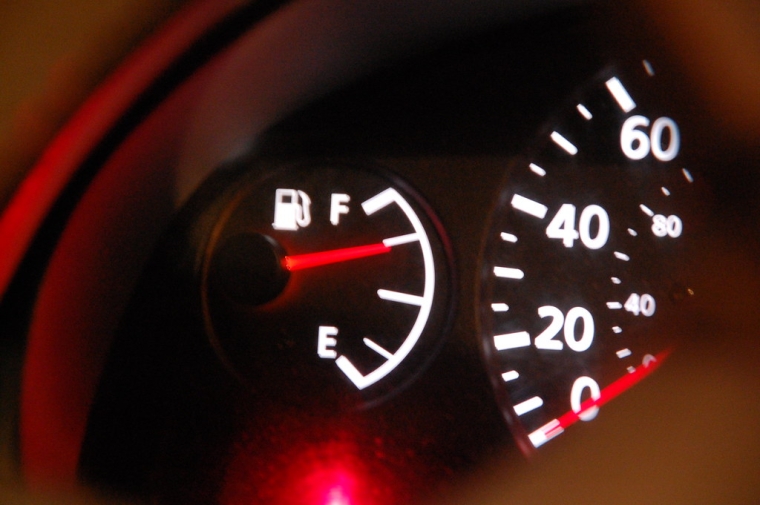
A surge in demand has emptied pumps at a handful of stations across the country, but an industry expert says there's no need for panic buying, even as the Government prepares contingency plans.
Gull spokesperson Julien Leys said customers “flocked” to their discount day on Thursday, but that 97% of sites met the extra demand.
“Sites that sold through yesterday, have, or are currently being refuelled for Gull’s customers by our logistics’ providers.”
A spokesperson for Finance Minister Nicola Willis said Gull confirmed it did not have any incoming supply issues and the shortages were a result of demand.
AA fuel price principal policy advisory Terry Collins thought panic buying “is only a little bit of a blip occurring because of the uncertainty in the market”.
“We don't need to panic buy. Currently, we don't have a shortage. There's a little bit of panic buying going on because people want to get in before the price goes up.”
“We've got plenty of fuel here, and we've got plenty of fuel on the water…it really comes around to how much the global supply is disrupted, how long it's disrupted, and how quickly we can adapt to it.”
The Ministry of Business, Innovation & Employment’s latest fuel stock update as of midnight, March 8, recorded a total of 52 days overall for petrol, diesel and jet fuel in country and in-water on the way. There was 57.9 days worth of petrol total, 49.9 of diesel and 46.8 of jet fuel.
Collins said the price of oil was currently about US$100 a barrel. “It's going up and down. There's a lot of risks associated with it, and it's about NZ$3 a litre.
“Somewhere between US$150 and US$200 a barrel… really is where you would get your NZ$3.50 plus, up to $4/L if it got to those extreme levels.”
He said the key components to the price were how long the conflict lasted, how major the disruption are, "and what other countries are dragged into the conflict".
“The length of disruption is the major, major, major concern.”
While it wouldn’t be the first move the Government would make if the situation in the Middle East continues or deteriorates further, it is receiving advice over potentially rationing fuel demand.
Government has the power to impose demand restraint regulations including the restriction of use of cars, rationing schemes, prohibiting the storage or sale of petroleum products, if it is likely to be in short supply.
Collins said that rationing allows government to utilise fuel for more essential services, “and set priorities around who's going to get it in regards to the minimum fuel security plan”.
“What [government has] done is plan for the worst, and we just hope we don't have to do it because it won't turn out. At least we've got a plan, at least they’ve thought about it.”
Collins recalled the decades-old policy of car-less days. “They were different times. They didn't have work from home. The cars were really inefficient by today's standard. And even though there were less of them, there were less people as well."
On if high prices would impact demand, Collins said they found many people not living in major urban areas didn’t have other options.
“They can't hop on public transport. They don't have cycle ways. They can't walk from the farm into town and get the milk. Those options are not available to a large section of New Zealanders, and so they have to take transport options.
“A lot of people just have to travel. So really, what it means is the money that's used to pay for the extra petrol is not used for something else.”
We welcome your comments below. If you are not already registered, please register to comment
Remember we welcome robust, respectful and insightful debate. We don't welcome abusive or defamatory comments and will de-register those repeatedly making such comments. Our current comment policy is here.