
Officials are looking into targeted support through the tax and transfer system as the Government prepares for a prolonged fuel shock, with warnings that rising costs will hit low-income households and flow through the wider economy.
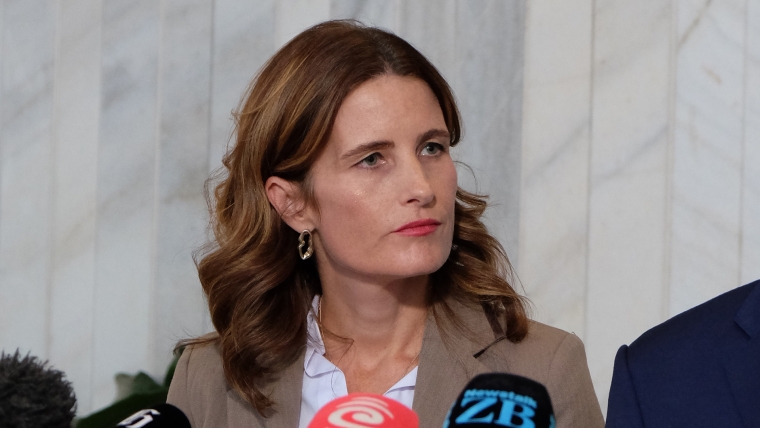
In an update on Thursday afternoon, Finance Minister Nicola Willis said they were looking at not only a conflict that could be prolonged, but also supply chain impacts felt beyond the end of the conflict. A potential temporary and targeted measure is being worked on by IRD and Treasury, with Willis confirming they were looking at the tax and transfer system.
Earlier on Thursday, Interest.co.nz spoke to economic inequality researcher Max Rashbrooke, who said a lengthy conflict period was a huge worry in terms of hardship in New Zealand.
“A lot of families are at breaking point already… They can probably cope - some of them - in the short term with a brief shock, but in the long run, they have absolutely no resilience against this kind of shock," Rashbrooke said.
“The spike in fuel prices, like anything to do with inflation, is going to hit the poorest hardest. They have the lowest income, so they can least afford an increase in basic goods.”
Asked his view on a potential targeted, temporary fuel price response, Rashbrooke said while the “devil always depends on the detail, yes, broadly speaking, I think Willis is right”.
“I often disagree with her, but I think she's right on this one that if you're going to help people through this crisis… the solution of taking tax off fuel is not sensible. That will help high income households and will help them a lot, because they drive a lot, typically. So you are better to do it through the welfare system, basically through a targeted payment," he said.
“If it [war in the Middle East] goes on, I think it's extremely worrying for the country."
Rashbrooke said one obvious solution was to make public transport cheaper.
“You either have to keep on increasing people's incomes through the welfare system, and obviously that gets very expensive, particularly for a government that's committed to bringing spending down, or you have to keep reducing people's dependence on fossil fuels, most obviously, through improved public transport."
“But again, that's not costless.”
Westpac chief economist Kelly Eckhold, speaking to Interest.co.nz earlier this week, was asked the impact of targeted temporary support and said it depended on the objective.
"If the objective is to reduce the budget pressures that individual vulnerable groups face, then of course it will make a bit of a difference, because the cost of fuel is going to rise quite sharply in household budgets - or has been rising already and will continue to do so over the period ahead."
Eckhold said what made less sense was across the board fuel tax cuts, which would be quite expensive.
"Also, we have to remember that the objective here is to try to conserve fuel use, because we need to be able to make sure that we can make what we've got last as long as it can."
"Cutting the price is likely to just increase the demand, and that's counter productive for what the Government probably ideally wants to achieve right now."
When it comes to inequality, Eckhold thought the biggest issue the country faces is the impact from increased diesel and petrol costs on the supply chain.
"That's going to impact everybody because you will see increased costs being passed through for a whole gamut of things, because just about everything relies on the transport sector to get goods to market - the groceries, courier fees, we've already seen air fares go up quite considerably as well."
We welcome your comments below. If you are not already registered, please register to comment
Remember we welcome robust, respectful and insightful debate. We don't welcome abusive or defamatory comments and will de-register those repeatedly making such comments. Our current comment policy is here.