
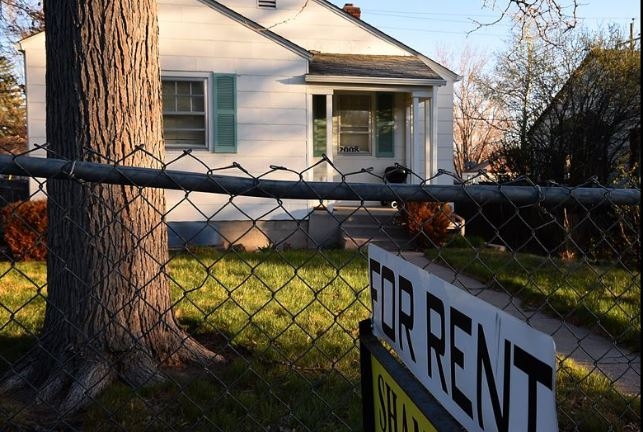

Residential property is becoming less attractive to investors as they are increasingly forced to rely on returns from rental income in the absence of capital gains.
Those rental returns have mostly been in decline for the last decade and are now so poor it raises doubts about the ability of residential property to provide a worthwhile return on investment.
The basic problem is that property prices have increased at a greater rate than rents, which has pushed down the returns from rental income.
Investors were prepared to accept these lower returns and perhaps even negative cash flows, as they chased tax-free capital gains. But with capital gains drying up, they are left holding a low yielding investment.
Consider this.
In December 2015, the Real Estate Institute of New Zealand’s national lower quartile selling price was $310,000. By December 2025 it had increased to $609,000, up 96% in 10 years.
But over the same period, the median weekly rent, based on bonds received by Tenancy Services, increased from $380 a week to $600, up just 58%.
Based on those figures, the gross rental yield decreased from 6.4% to 5.1% over the 10 years.
Rental yield is the amount of rental income a property could generate in a year, expressed as a percentage of its purchase price.
A 5.1% return might be acceptable to some investors given that bank term deposits are currently paying just over 4% for a three year term, which goes up to the equivalent of around 4.5% if it’s a PIE fund.
However, a gross yield figure of 5.1% does not take into account other costs property investors will almost certainly face, such as the reduction in rental income due to periods of vacancy and expenses such as rates, insurance, maintenance and property management and accountancy fees.
These have the potential to eat up a substantial chunk of rental income, reducing actual returns even further, perhaps down below the level of returns available from a bank term deposit.
The figures above are also based on an investor paying cash for a property, without a mortgage.
Interest.co.nz has also looked at how adding mortgage payments into the equation could affect cash flow.
If a property was purchased at the REINZ’s December 2025 lower quartile price of $609,000 with a 60% mortgage ($365,400), interest.co.nz estimates the mortgage payments would be $543 a week (at 4.72% with a 20 year term).
If the rent on the property was $600 a week, that would leave a cash surplus of just $57 a week after the mortgage was paid, and that’s before allowing for a drop in rental income from vacancy, or for the payment of outgoings such as rates, insurance, maintenance etc.
This suggests there’s a pretty good chance, some may say a very high chance, that it would be cash flow negative. If that’s the case, in the absence of capital gains, it’s no longer an investment, it’s a liability.
What’s particularly concerning about the above figures is that the amount of cash available after the mortgage is paid is so low, at a time when mortgage interest rates are also relatively low.
If mortgage interest rates keep rising, as they are expected to, the cash flow position of investors could worsen significantly, even if there’s no movement in dwelling prices or rents.
This suggests that in the current market, potential investors would need to be able to pay cash for a property, or perhaps buy one with a very small mortgage, in order to make a reasonable return.
The comment stream on this article is now closed.

We welcome your comments below. If you are not already registered, please register to comment
Remember we welcome robust, respectful and insightful debate. We don't welcome abusive or defamatory comments and will de-register those repeatedly making such comments. Our current comment policy is here.