
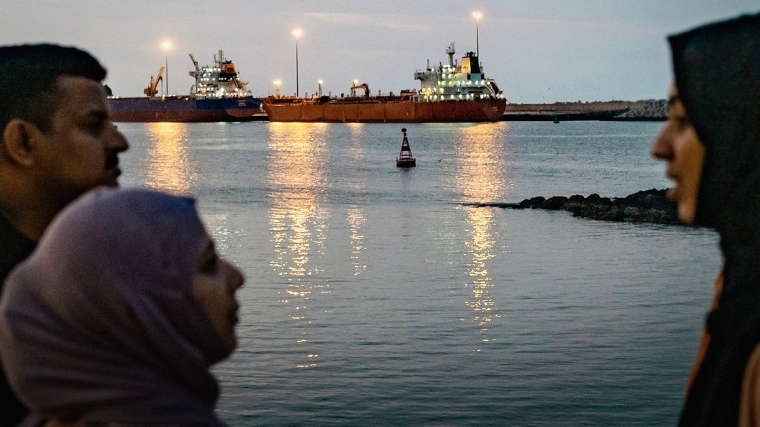
The war in the Middle East has severely disrupted maritime and air traffic, damaging infrastructure and interrupting transport corridors that are critical for global energy and goods. Even in the best case, there will be no neat and clean return to the way things were.
The Chart of the Week illustrates one reason for concern. In the Red Sea, attacks on shipping that began in 2023 forced many vessels to reroute around Africa rather than use the Suez Canal. More than two years on, transits through the Bab el-Mandeb strait between Yemen and Djibouti remain stuck at roughly half their pre-attack level.

The future of Strait of Hormuz transits and regional air traffic remains unknown. However, it’s already clear that growth will be slower, even if an enduring peace is reached. As the April 2026 World Economic Outlook details, shipping and air disruptions slow trade, raise costs along supply chains, and hit tourism-dependent and import-reliant economies hardest. Consumers feel this through higher prices on food and essentials, with lower-income households bearing the largest share.
If Hormuz transits and regional flights recover slowly like the Bab el-Mandeb path, the drag on growth will persist long after the fighting stops. Policies that strengthen the resilience of transport networks are now central to sustaining growth and protecting livelihoods.
This article was originally posted here.
We welcome your comments below. If you are not already registered, please register to comment
Remember we welcome robust, respectful and insightful debate. We don't welcome abusive or defamatory comments and will de-register those repeatedly making such comments. Our current comment policy is here.