
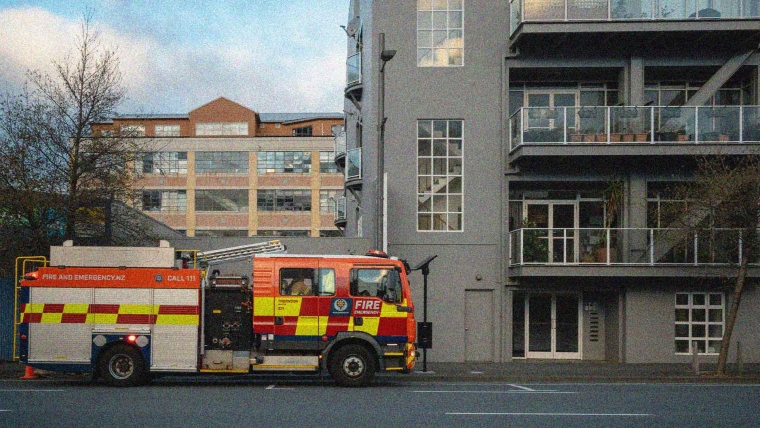
The Insurance Council of New Zealand (ICNZ), a lobby group for general insurers, wants the Fire and Emergency New Zealand (FENZ) levy replaced by a ‘Community Protection Levy’ which would focus on natural hazard risk reduction.
FENZ is primarily funded by this levy - which is part of a person’s premiums if they have insurance cover for property in New Zealand against the risk of fire. The levy also applies to motor vehicle insurance policies. According to ICNZ, FENZ currently raises around $800 million annually through the levy.
ICNZ chief executive Kris Faafoi says NZ needs to invest more in reducing risk before disasters happen. Having a ‘Community Protection Levy’ would “provide a simple, durable way to fund resilience, while ensuring FENZ has the secure Crown funding it deserves”.
Under ICNZ’s proposal, FENZ funding would move from insurance-linked levies to Crown funding, which ICNZ says would allow around $600 million to 700 million a year to be redirected into resilience and risk reduction. The ‘Community Protection Levy’ would be collected by insurers on behalf of the Government.
ICNZ's proposed levy would apply to fixed assets such as property based on the sum insured and include a cap for residential properties.
It would fund things like flood protection and resilience infrastructure, coastal protection, managed retreat, landslip and storm risk mitigation.
"FENZ plays a vital role in protecting communities and responding when disasters strike. But the current levy is too complex, too uneven, and no longer well suited to the risks New Zealand faces today," Faafoi says.
Having a ‘Community Protection Levy’ would give New Zealanders a direct stake in reducing the risks they face, he says.
"We cannot keep spending more on disaster recovery while underinvesting in prevention. Budget rules that treat resilience as invest-to-save would help close the gap,” Faafoi says.
"By replacing the current FENZ levy with a ‘Community Protection Levy’, New Zealand can invest more consistently in reducing risk and better protecting communities before the next disaster hits.”
Providing a broad example on its website, ICNZ shows that the FENZ levy makes up about 5% of a home premium. The levy has been going through changes, with new annual levy rates kicking in from July.
The Department of Internal Affairs’ website says for motor vehicles, a flat levy amount will apply while for other insured property, the levy will be a defined proportion of the insured value.
Motor vehicles owners would pay an annual levy of $25 while homeowners will pay a maximum annual amount of $107.40 - the new maximum annual amount is based on a residential property levy rate of 10.74 cents per $100 sum insured and a cap of $100,000.
We welcome your comments below. If you are not already registered, please register to comment
Remember we welcome robust, respectful and insightful debate. We don't welcome abusive or defamatory comments and will de-register those repeatedly making such comments. Our current comment policy is here.