
The Labour Party has pledged to bring forward its 100% renewable electricity target by five years to 2030.
In addition, it says it will accelerate the electrification of the transport and industrial sectors and invest in emerging technologies such as green hydrogen.
Labour's also promising to continue to "make energy affordable for New Zealanders".
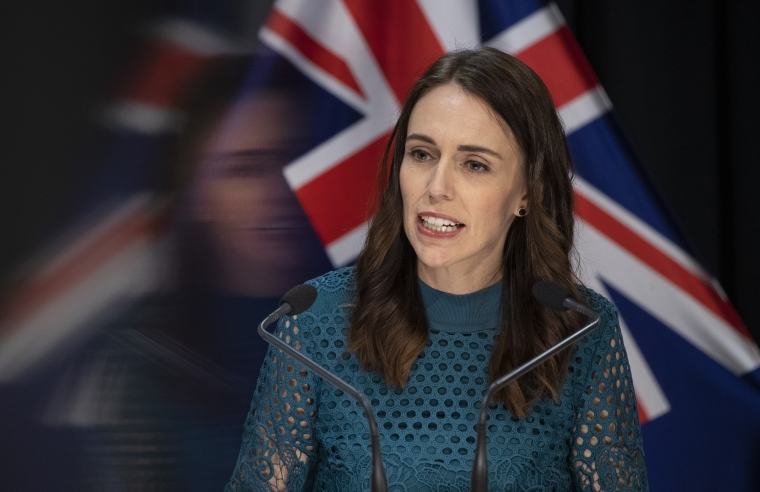
In releasing Labour's 'clean energy' policy on Thursday, Prime Minister Jacinda Ardern said Labour was "planning properly" for New Zealand’s future energy needs. See here for more details. And see here for questions and answers.
"We need to take steps right now and also plan 30 years ahead to ensure New Zealand has stable, sustainable and affordable energy while also protecting jobs and industries. This policy does that,” she said.
Labour’s clean energy plan is a critical element of the party's wider Covid-19 recovery plan "that will both prepare New Zealand for the future while boosting jobs and the economy now" Ardern said.
Labour Energy spokesperson Megan Woods said New Zealand produces 84% of its electricity from renewable sources now, "but we can do better".
"We will stop activities that increase our emissions by, for example, banning new thermal baseload generation; and promote clean energy development.
“We are committed to taking the next steps to get to 100% renewable with support for projects like pumped hydro at Lake Onslow, removing the barriers to development of new renewable electricity projects, advancing green hydrogen and other green technologies and supporting businesses to decarbonise.
“Our plan for clean energy and lower carbon emissions will help us seize the economic opportunities of being the clean, green country that New Zealanders see ourselves as being and that we can market ourselves as.
“The initiatives we are announcing today build on work we have done already, including the establishment of a $70 million fund to help major industrial users decarbonise; a $20 million Renewable Energy Research Platform; putting $27 million towards the establishment of Are Ake - the New Energy Development Centre; and supporting the roll-out of a nationwide hydrogen refuelling network.
“Investing in cleaning up our energy use is good for our economy because we will reduce our reliance on imported energy from overseas while expanding innovation in new clean energy technologies. We also support new jobs in new industries like green hydrogen, and prevent further pollution and costs to the community.”
Woods said key steps to transforming the energy sector included:
-
Committing to accelerating the second stage of a pumped hydro storage solution at Lake Onslow with an additional $70 million allocated upfront (subject to the business case for which $30 million has already been announced); and other smaller schemes that could help achieve 100% renewable electricity
-
Developing a new National Policy Statement for Renewable Electricity Generation; removing regulatory barriers to renewable electricity generation; and restoring a ban on new thermal baseload generation
-
Supporting businesses to shift away from fossil fuels and improve energy management
-
Accelerating the uptake of low emissions vehicles
-
Continuing work on electricity and fuel pricing fairness.
“A great example of work we can do to become a world leader is the development of a green hydrogen industry. We can produce some of the cleanest green hydrogen in the world, and potentially receive a premium for it in international markets. We are already working with other countries including Japan and have invested in a nationwide fuelling network and will invest $10 million in a roadmap and further opportunities,” Woods said.

We welcome your comments below. If you are not already registered, please register to comment
Remember we welcome robust, respectful and insightful debate. We don't welcome abusive or defamatory comments and will de-register those repeatedly making such comments. Our current comment policy is here.