
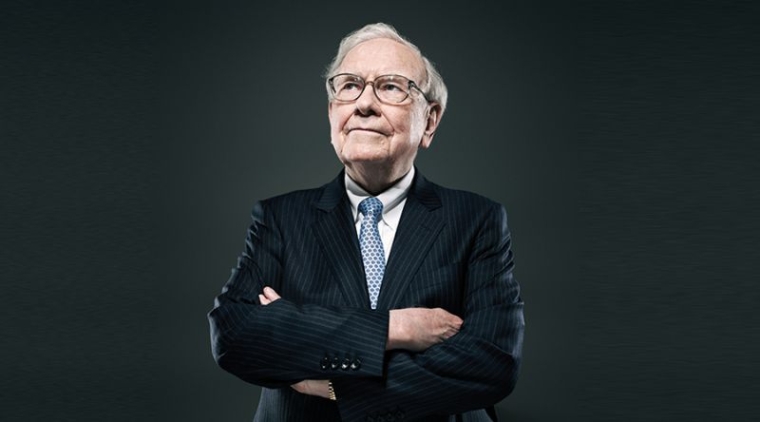
I don’t think there would be many people who haven’t heard of Warren Buffett. He has been around for decades, and has made huge amounts of money, but seemed to be able to stay humble and grounded at the same time.
One of my favourite quotes of his is “Only when the tide goes out do you discover who’s been swimming naked”. We have seen quite a bit of that in recent times.
Finally, Warren Buffett has retired. After six decades of investing, millions of lessons learned, and a story that has inspired investors around the world, he finally stepped back.
When we hear his name, it’s easy to think: “If only I could invest like him, I’d be set for life.” And yet, the more I think about it, the more I realise that the real lessons from Buffett aren’t just about which stocks to buy or when to sell. They’re about how we think about money, how we make decisions, and how we handle our own emotions when money is involved.
Because here’s the truth: sadly, most of us aren’t Buffett. And that’s perfectly okay. But we can learn a lot from how he approached money, and more importantly, how we approach it ourselves.
Patience Is powerful — but Forever isn’t always the answer
One of Buffett’s most famous lines is that his favourite holding period is “forever.” It’s comforting to hear. It sounds safe. It sounds like the secret to success.
But if we look closer, even Buffett didn’t actually hold everything forever. He sold when things changed, sometimes quickly, sometimes with a bit of regret. The lesson isn’t that patience doesn’t matter. The lesson is that patience works best when it’s combined with reflection.
Many of us make a common mistake: we confuse patience with inertia. We hold onto investments, spending months, sometimes years, worrying about whether we should sell. Or we hold onto a purchase we’ve made, even when we’ve outgrown it, (take a look in your wardrobe, or your tool box) simply because we’ve always had it. Emotion takes over logic. Our attachment grows. And slowly, what started as a smart decision can turn into stress.
The takeaway? Patience matters. But it matters most when we actively ask ourselves: Does this still make sense for me? Is it still working? Holding on blindly rarely works in life or in money.
Cheap doesn’t always mean valuable
Buffett popularised the idea of “value investing” — buying things that look cheap. It’s a nice idea. It feels smart.
But cheap doesn’t always mean good. Sometimes something looks cheap for a reason. Maybe the business isn’t strong. Maybe the investment is risky. Maybe the conditions have changed, and we just don’t see it yet.
Buffett could see beyond the surface because he had years of experience, deep research, and a perspective most of us don’t. He could step back and understand the bigger picture. Most of us don’t have that kind of insight, and that’s fine.
What matters is recognising our own limits. When we make decisions with money, it’s rarely about the numbers alone. It’s about our comfort, our priorities, and our emotional readiness to handle ups and downs.
Have you ever bought something because it felt like a bargain, (again look in your wardrobe, or the kids toybox) only to discover later it wasn’t a good fit for you? That’s money psychology in action. Value isn’t just a number, it’s about context, timing, and how it fits into your life.
Fear, greed, and emotional investing
Buffett often talks about fear and greed. “Be fearful when others are greedy. Be greedy when others are fearful.” It sounds simple, even poetic. But anyone who’s actually tried it knows it’s not that simple.
Fear and greed are deeply human. They affect every financial decision we make, from buying a home to deciding whether to sell shares. We panic when markets wobble. We get excited when prices soar. We convince ourselves that everyone else knows something we don’t, or that we’re missing out. FOMO kicks in.
Most of us struggle with emotional investing because it’s our natural instincts at play. And that’s not wrong, it’s just human.
The key is awareness. Pausing to ask yourself questions like: Am I acting out of fear or excitement? Am I rushing this decision because of what others are doing? That reflection is what separates thoughtful decisions from impulsive ones. Buffett had the advantage of perspective, experience, and resources. For us, mindfulness and self-awareness can play the same role, even if on a smaller scale.
Simple isn’t risk-free
Buffett has often recommended that most people invest in index funds. Simple, low-cost, effective. It’s a piece of advice that has helped countless people start investing without overcomplicating things.
But simplicity doesn’t mean there’s no risk. Markets go up and down. Life happens. Jobs change. Unexpected expenses appear. The challenge isn’t that the market moves, it’s that our emotions move even more.
That’s why understanding your personal risk tolerance matters. Even if your investments are well-chosen, if they keep you awake at night or cause stress in your life, they’re not working for you.
Investing isn’t just about following advice. It’s about feeling secure enough to stay the course, whatever happens.
The real lesson from Buffett
The most valuable thing we can learn from Buffett isn’t a rule or a quote. It’s a mindset.
He knew his strengths. He knew his limits. He understood the value of patience, reflection, and adapting when facts changed. He accepted mistakes and learned from them.
For everyday investors, the lesson is the same, but personalised. Know your goals. Understand your comfort with risk. Be honest about your emotional responses. Make choices that fit your life, not someone else’s success story.
Because money decisions aren’t just numbers on a screen. They’re deeply human. They involve fear, hope, attachment, and priorities. They touch our lives, our families, and our wellbeing.
Buffett’s legacy is inspiring, yes. But the real magic comes when we apply the spirit of his approach in ways that work for us, in our own lives, with our own money psychology in mind.
*Lynda Moore is a Money Mentalist coach and New Zealand’s only certified New Money Story® mentor. Lynda helps you understand why you do the things you do with your money, when we all know we should spend less than we earn. You can contact her here.
We welcome your comments below. If you are not already registered, please register to comment
Remember we welcome robust, respectful and insightful debate. We don't welcome abusive or defamatory comments and will de-register those repeatedly making such comments. Our current comment policy is here.