
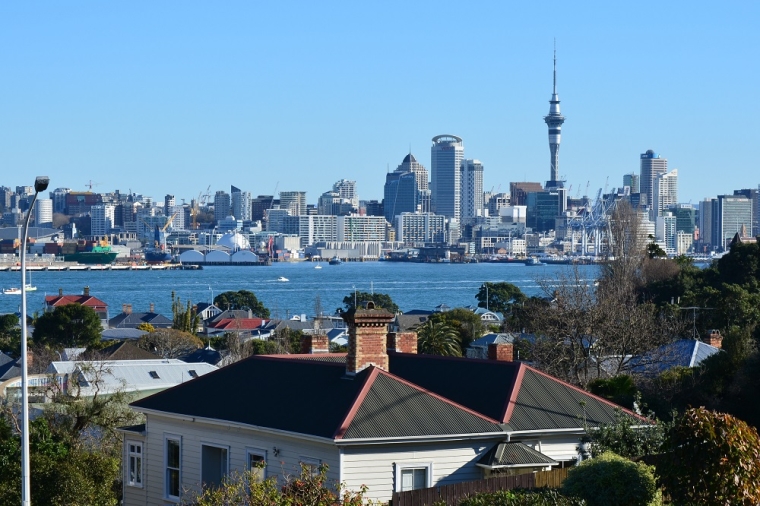
Despite the fact the number of leaky building claims is declining in Auckland ongoing litigation and outstanding cases means the council still has to earmark $350 million on its books to cover potential future settlements.
The Auckland Council’s financial predicament is outlined in a new report by Audit New Zealand which looks at the Auckland Council Group’s Interim Financial Statements for the six months to December 2018 and states:
“Exposure to liabilities from leaky home claims remains a significant issue for the Council, due to particularly high exposure in the Auckland region. As part of this review, we updated our understanding of the processes undertaken by the Council to assess the reasonableness of remediation cost estimates for specific active claims.
“There has been an overall increase in the provision of $31 million since 30 June 2018, with a remaining liability of $350 million.”
It says the largest single increase in the amount the council has provided for settlements is due to a block of apartments which is expected to cost $35 million to resolve. The Audit New Zealand report says this is “in line with latest settlement expectations of Council”.
It says the amount provided by council for multi-unit developments can increase significantly as they reach settlement and more information on the costs and the solvency and existence of other defendants is established.
“However, the number of new claims is significantly reducing, with only a very small number of new notifications in the last six months, all related to single unit dwellings.”
For Auckland Deputy Mayor Bill Cashmore it’s a sad illustration of the predicament the council is in.
“It isn’t our fault, but it makes us so risk averse,” Cashmore says. “We’re left as the last man standing, the builder has taken their company off the books, the architect and the other companies involved deny liability.”
In 2017 the Mayor Goff said the leaky buildings crisis had already cost the Super City $600 million. But despite the massive amount spent to date it isn’t going away anytime soon.
Cashmore says it’s important not to forget the homes owners who are affected in such cases.
“They go through hell themselves,” he says.
The Audit New Zealand report comes on the back of calls by the council for the Government to change the law so it doesn’t have to shoulder the financial burden of another leaky buildings type crisis.
In a draft submission on proposed changes to the Building Act it is calling for an end to the use of joint and several liability and is instead calling for a liability cap of 20%.
Under joint and several liability where two or more parties are liable for the same loss or damage to another party, because of separate wrongful acts, the rule holds both or all of the wrongdoers 100% liable for the loss caused.
The party that suffered the loss can claim against one wrongdoer to recover the whole of the loss. The defendant can then seek contribution from any other wrongdoers.
During the leaky buildings crisis in many cases councils were the only party property owners could take legal action against as the builders and developers involved weren’t trading under the same name and were able to avoid legal liability.
The Ministry of Business, Innovation and Employment (MBIE) released a discussion paper in April on the Government’s proposed changes to the Building Act and spells out the risks and liability issues in the construction industry. The report doesn’t recommend getting rid of joint and several liability, but calls for feedback from submitters on proportionate liability. But the MBIE paper recognises some of the problems the existing legal framework has created for councils.
The Ministry commissioned a review of the building defect disputes between 2008 and 2018 to provide it with an up-to-date picture of the financial risks faced by consent authorities. It says Building Consent Authorities (BCAs) paid out $1 billion to settle building disputes in the last 10 years.
We welcome your comments below. If you are not already registered, please register to comment
Remember we welcome robust, respectful and insightful debate. We don't welcome abusive or defamatory comments and will de-register those repeatedly making such comments. Our current comment policy is here.