
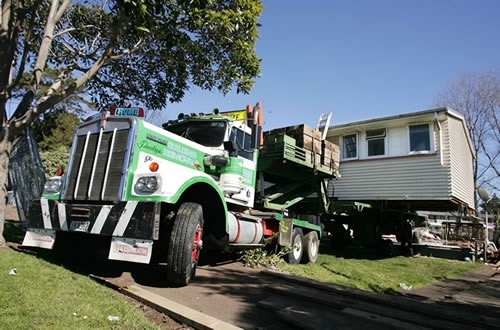
Auckland's housing market may be close to peaking and could start to cool next year.
The latest figures from property website Realestate.co.nz suggest the Auckland market is on a different course compared to the rest of the country.
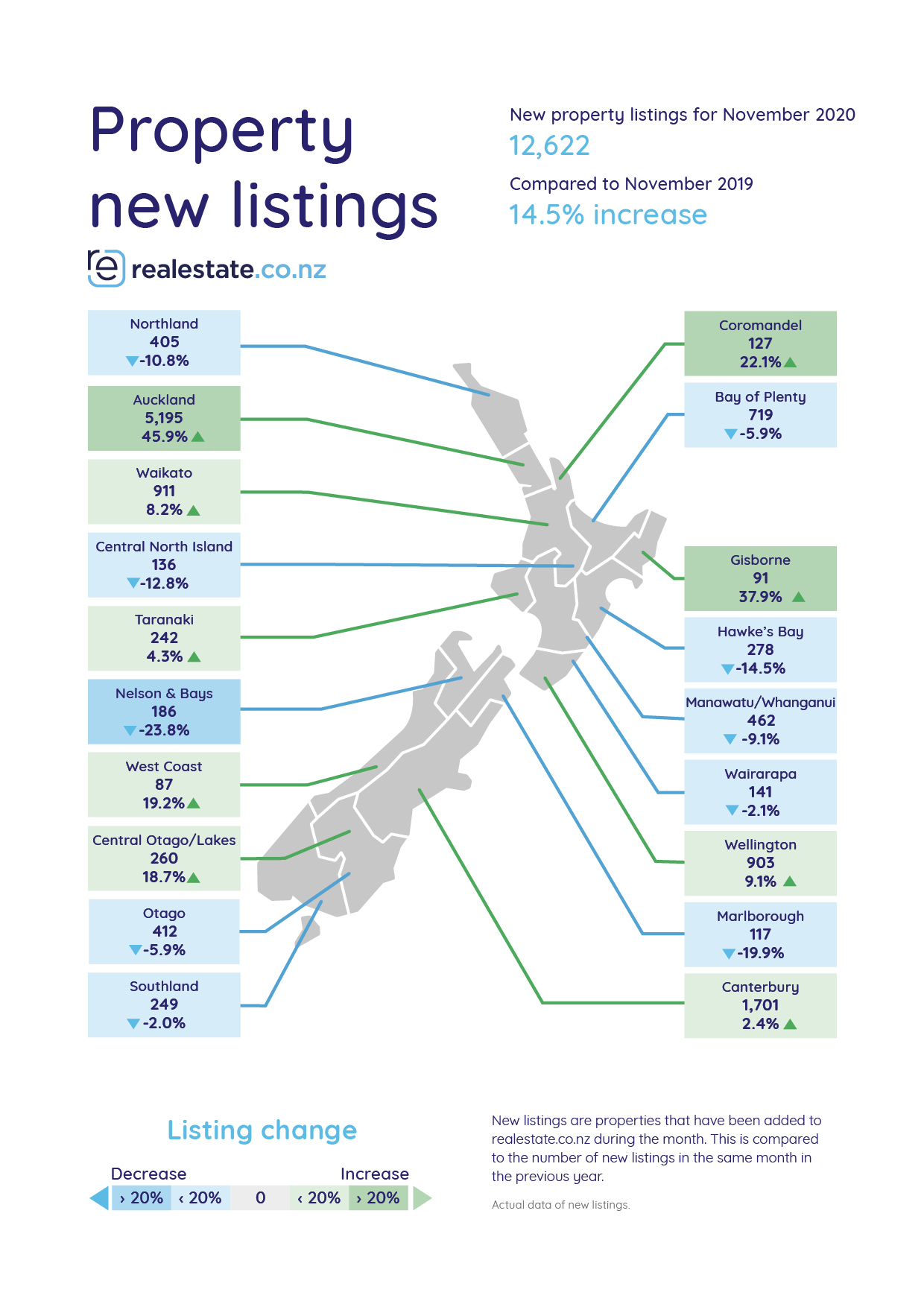
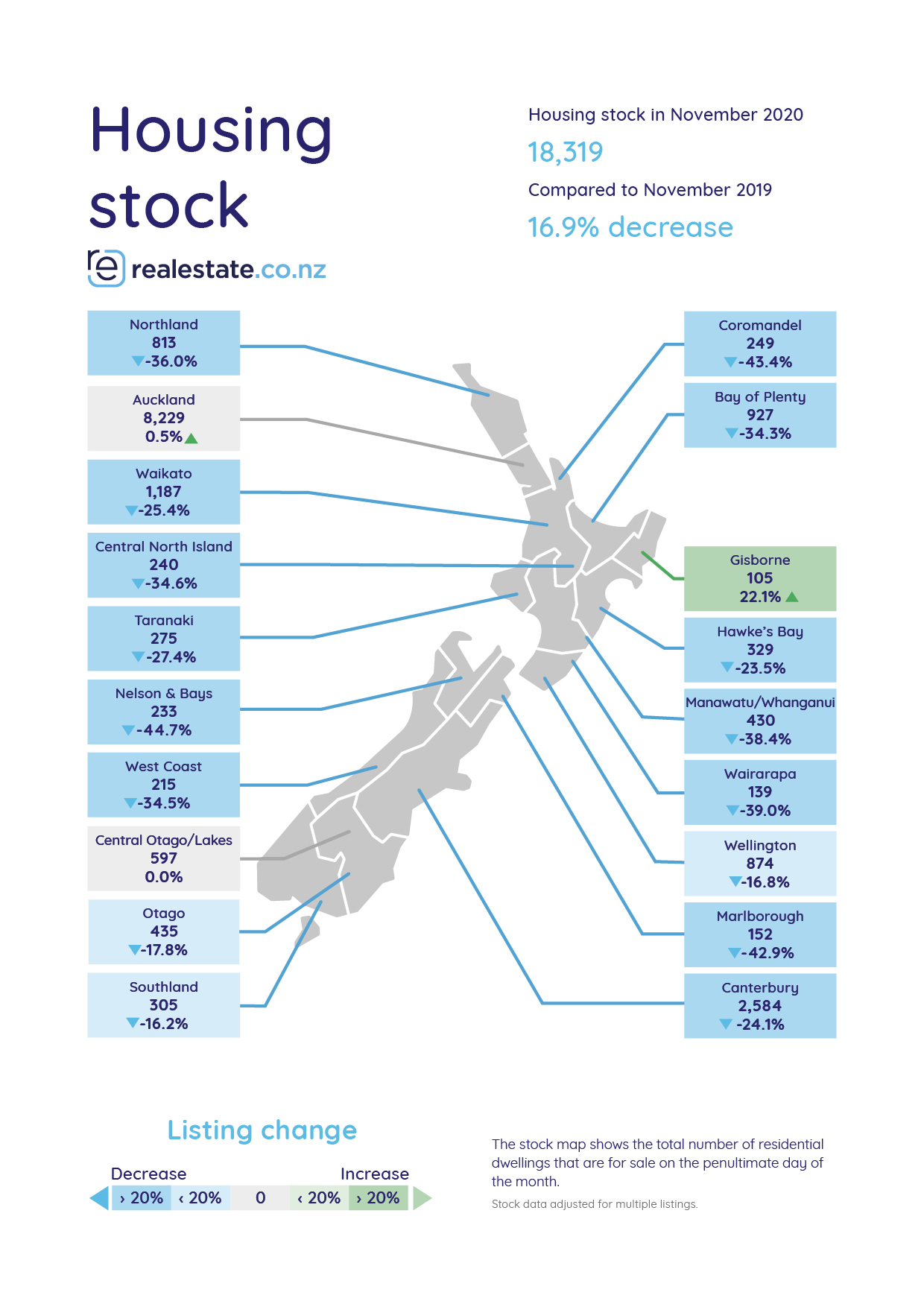
Although the website received 12,622 new listings from throughout the country in November, up 14.5% compared to November last year, the total stock of dwellings it had available for sale at the end of November was 18,319, down 16.9% year-on-year.
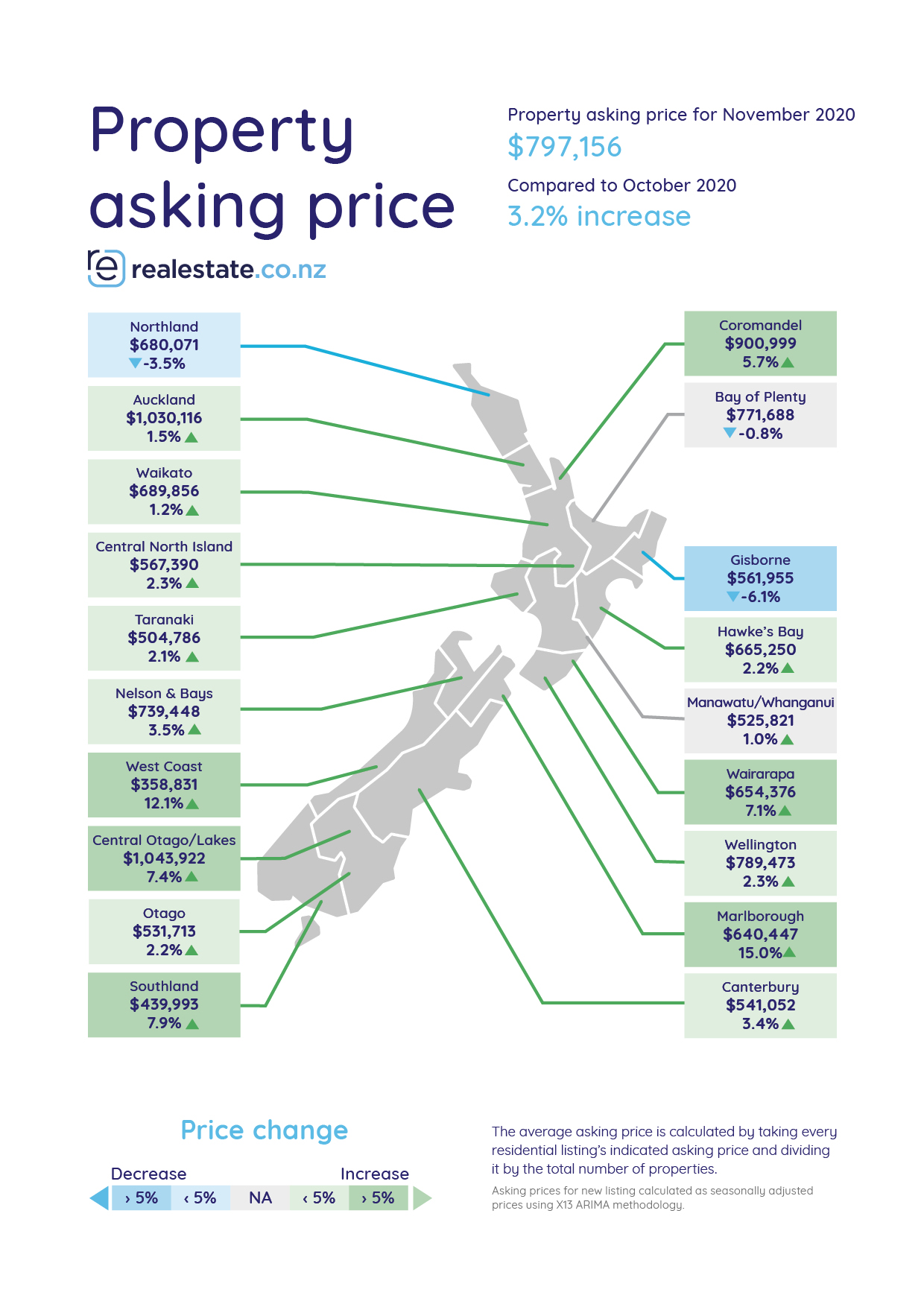
Over the same period the average asking price of all the residential listings on the website increased by 3.2% between October and November.
Those national figures all point towards the sort of overheated property market other indicators are suggesting.
However the Auckland figures paint a different picture.
Realestate.co.nz received 5195 new Auckland listings in November, up a whopping 45.9% compared to November last year.
That was the highest number of of new listings for Auckland in the month of November since 2007, and the highest of any month of the year since March 2008.
And it was not just a monthly aberration.
New listings in Auckland have been running at significantly elevated levels for the six months from June to November and that is showing up in the total stock levels for the region.
While stock levels for the country as whole were down 16.9% in November compared to a year earlier, in Auckland they were up by 0.5%.
Not surprisingly, average asking prices in Auckland increased by 1.5% between October and November, which was less than half the national rate of increase.
All of the those figures suggest that supply and demand are moving more quickly at getting into some sort of balance in Auckland than they are in the rest of the country, and that if the Auckland market hasn't already peaked, it may be getting close to doing so.
There's an old saying in real estate that Auckland leads the market and the rest of the country follows. If that's the case, we may be looking at the beginning of the end of the current housing boom.
However 2020 has been nothing if not unpredictable and 2021 is likely to offer more of the same.
On the one hand the Reserve Bank appears committed to spewing out more cheap money into the banking system, most of which appears likely to end up in residential mortgages, and mortgage rates are likely to fall further.
On the other hand the Government is increasingly getting its panties in a twist over affordability issues, with a restructuring of the Bright Line Test for taxing property re-sales on the cards. And the Reserve Bank is moving to reintroduce restricitons on high loan-to-value ratio new mortgage lending from next March.
So whatever happens in the housing market next year, it won't be dull.
The comment stream on this story is now closed.
We welcome your comments below. If you are not already registered, please register to comment
Remember we welcome robust, respectful and insightful debate. We don't welcome abusive or defamatory comments and will de-register those repeatedly making such comments. Our current comment policy is here.