
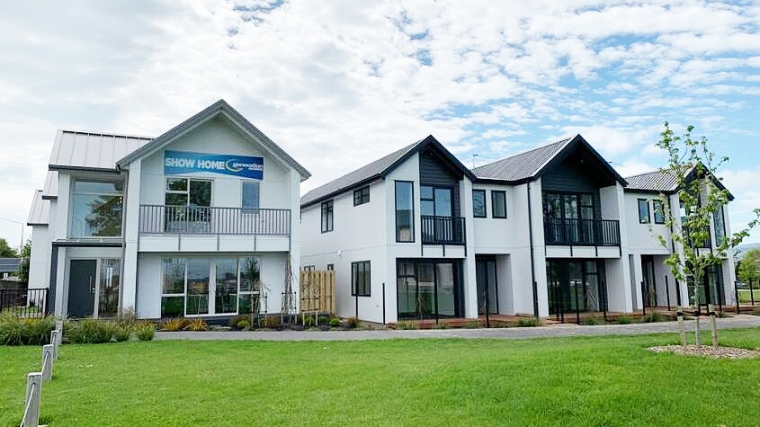
The residential building industry is on the up in Christchurch, according to the April building consent data from the three Councils in the urban area.
Canterbury is one region that has been in a building boom for the past 12 months. Although activity is still off the peak of the earthquake rebuild numbers, in April the number of building consents across the Region topped 500 for the second month in a row.
Data supplied by Blackburn Management shows sharply rising levels even as we go into the winter months.
| April ... | Christchurch | Selwyn | Waimakariri | Greater Christchurch |
| dwellings | # | # | # | $ |
| 2018 | 149 | 86 | 57 | 292 |
| 2019 | 173 | 99 | 38 | 310 |
| 2020 | 201 | 101 | 47 | 349 |
| 2021 | 305 | 154 | 66 | 525 |
This is a +50% jump in dwellings consented from the same month in 2020, a level that didn't seem to have a COVID impact.
The value of these upcoming residential projects is reflecting an even greater jump.
| April ... | Christchurch | Selwyn | Waimakariri | Greater Christchurch |
| value | $ mln | $ mln | $ mln | $ mln |
| 2018 | 52.9 | 35.4 | 18.1 | 106.4 |
| 2019 | 57.0 | 38.4 | 14.1 | 109.4 |
| 2020 | 62.4 | 36.7 | 15.5 | 114.5 |
| 2021 | 93.2 | 59.6 | 22.5 | 175.3 |
This is a +53% jump from the same month in 2020.
Christchurch City is generating about 60% of the region's consents, and a similar level to three years ago. The big expansions in the Selwyn District reflect single family houses. Those in Christchurch are in multi-unit developments.
The rise and rise of new residential consents ensures that more dwellings will be built over the next two years. It is expensive to get as far as the consenting stage and builders are reluctant to waste that investment, and this ensures most if not all this surge will come to market.
But in Christchurch and well as nationally, there are emerging concerns this building activity may face soft demand when it is completed and ready for sale. The revisions to border and immigration policies threatens the longer-term prospects for house builders just at a time public policy makers are calling for more activity, and material costs, including lumber, are rising sharply. Soft demand and high costs can kill this industry quickly, and if a downturn does come, it will be just another yaw of stop-go that it has suffered over the decades. Only a steady long-term commitment from HNZ./ Kainga Ora can prevent that.
Statistics NZ will release the national building consent data on Tuesday, June 1, 2021.
Update: The tables have been adjusted to reflect the number of dwellings consented, rather than just the number of consents used in the original version
We welcome your comments below. If you are not already registered, please register to comment
Remember we welcome robust, respectful and insightful debate. We don't welcome abusive or defamatory comments and will de-register those repeatedly making such comments. Our current comment policy is here.