
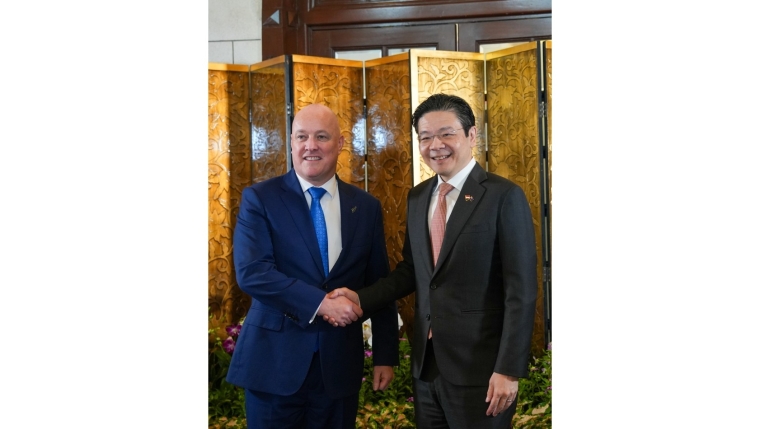
New Zealand and Singapore have solidified their deal to ensure the flow of fuel and food continues, showing "in times of crisis, we know we can rely on each other," Prime Minister Christopher Luxon said on Monday.
The agreement on Trade in Essential Supplies (AOTES) ensures New Zealand and Singapore keep trading essential goods during crises, and when supply chains are disrupted and means no export restrictions would be put in place.
Fuel, of which NZ sources a third from Singapore refineries, is a key part of this agreement for NZ as well as pharmaceuticals and construction supplies, while food is an important part for Singapore.
“The AOTES is a demonstration of New Zealand and Singapore working together as trusted partners. In times of crisis, we know we can rely on each other. As the best food producer in the world, New Zealand has what the world wants," Luxon said.
The formalities, after the bulk of the work on the agreement was done in October last year, come as the situation in the Strait of Hormuz remains volatile - with CNN reporting US President Donald Trump said the US will begin guiding ships through the strait, with guided-missile destroyers, aircraft and 15,000 service members. It is a move Iran said would violate the ceasefire.
And while fuel prices remain relatively high and flights continue to be cancelled in NZ, the unwelcome news landed last week that shipping giant Maersk slapped a 27% fuel fee increase on NZ from Friday, due to the surge in energy prices.
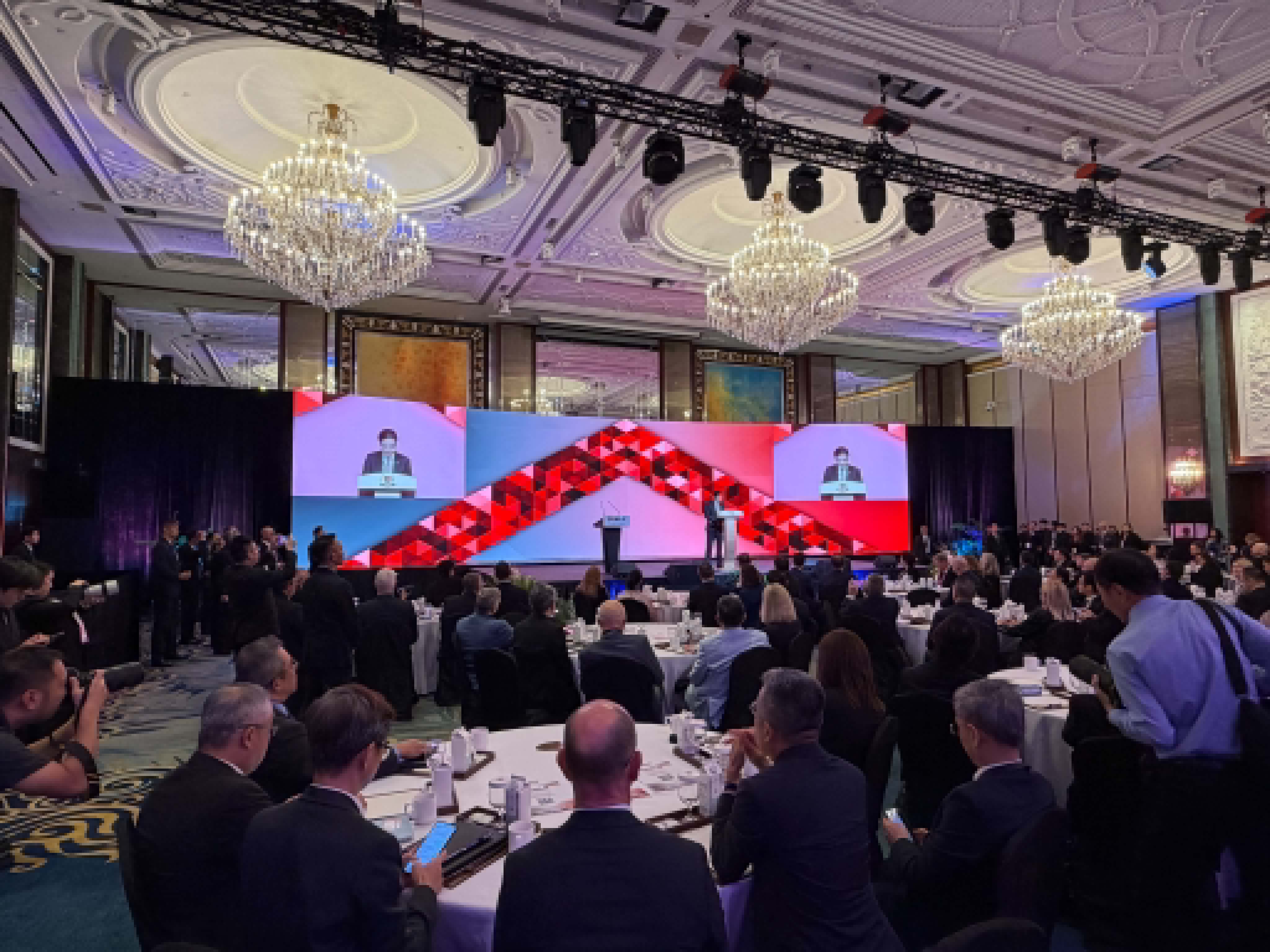
At the opening of the Singapore-New Zealand Leadership Forum on Monday, Singapore Prime Minister Lawrence Wong told the audience of business delegates that the shocks spurring from the Middle East crisis "remind us that perhaps, such shocks are no longer one-off - they are becoming part of the new normal in our business environment".
"We cannot assume that markets will always function as before. We have to diversify, de-risk, and build resilience into our systems. Governments have to do so; I’m sure businesses have to do this too, as part of your business continuity plans."
Luxon the world had; "moved into an era where, in pursuit of their national interests, major powers in parts of the world are picking and choosing the rules that apply to them."
"To state the obvious, a world where the powerful do what they will, unconstrained by rules, is not in the interests of small powers like Singapore and NZ".
*Anna Whyte is reporting from Singapore, with funding support from the Asia New Zealand Foundation.
We welcome your comments below. If you are not already registered, please register to comment
Remember we welcome robust, respectful and insightful debate. We don't welcome abusive or defamatory comments and will de-register those repeatedly making such comments. Our current comment policy is here.