
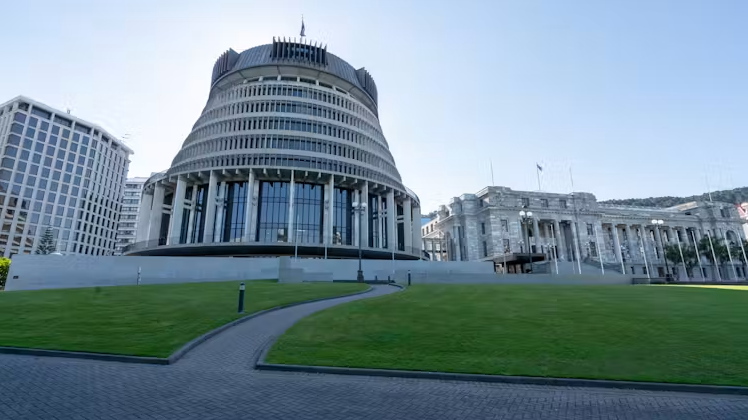
Behind the scenes, the Public Service is undergoing one of its biggest structural overhauls in decades, with two separate pools of work being hammered out in the background by chief executives, ministers and officials on the future of its workforce and structure.
But the result will all hinge on this year’s election, with Opposition parties also weighing up what future they want for the public service, with the future of agencies such as the Ministry for Regulation up in the air.
At May's Budget the Government announced its plan of baseline reductions in the public service to free up $2.4 billion, a reduction of almost 9000 workers in three years and a reduction in the number of agencies. Baseline savings have been set at 2% in the coming year for most agencies, followed by 5% each year, for two years after.
The work streams
That largely has been split into two streams of work - more front of mind are the workforce reductions, which are being worked on by ministries themselves and will be hammered out with ministers.
Finance Minister Nicola Willis said they had sought plans on how to get the numbers down by 2029 "that will have progress and milestones along the way."
"In some instances, it may be that an investment is required upfront, so that computer systems or other digital systems can deliver functions in the future, so they won't get an immediate headcount reduction. But over time, we want to see people progressing those plans that deliver productivity efficiency allow[ing] us to get more out of every taxpayer dollar."
Then there's the expenditure reduction side, which could result in major structural change.
Willis said she expected the baseline reductions would be achieved through a range of different changes such as consolidating back office services and streamlining the number of agencies.
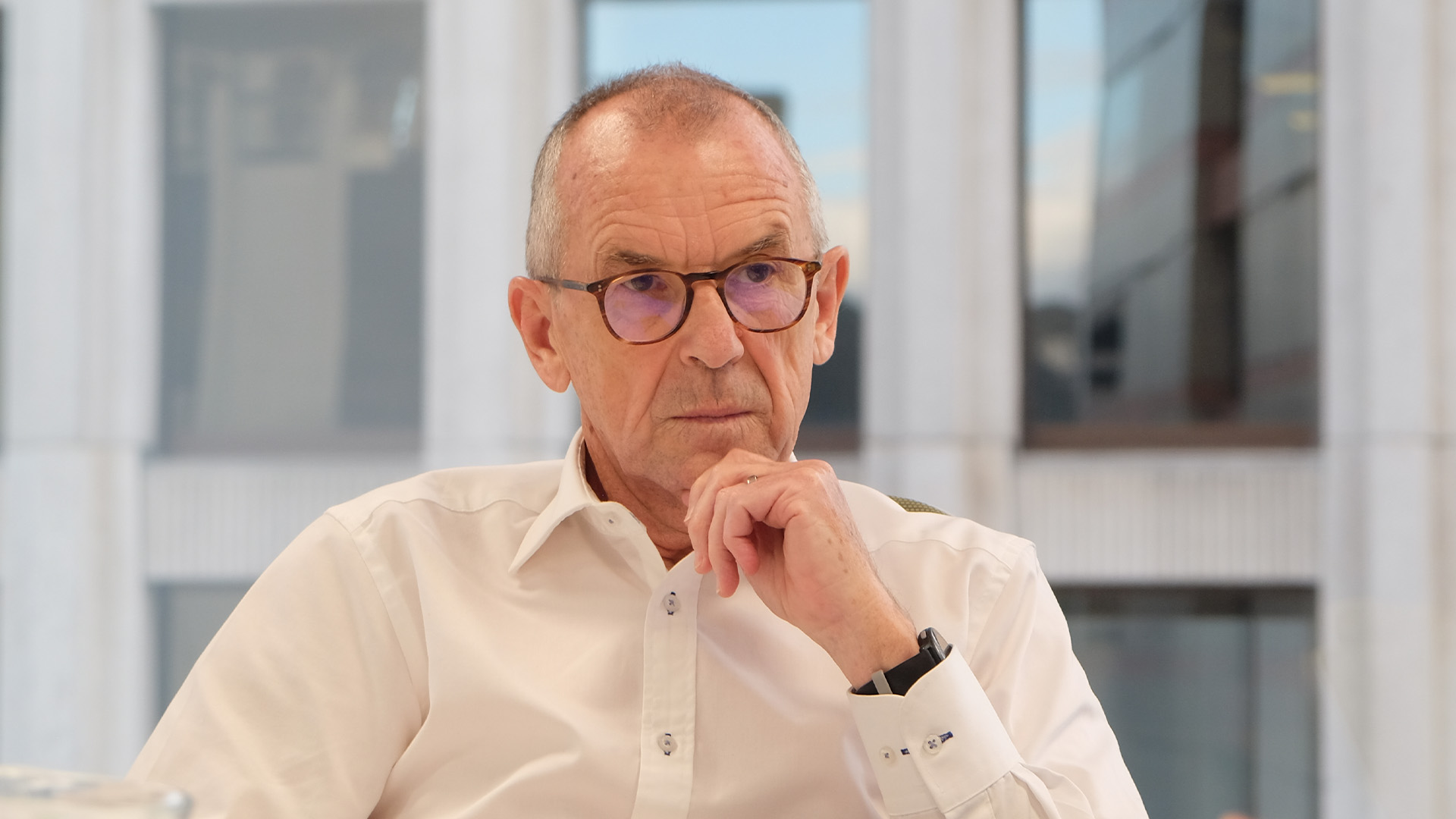
Public Service Commissioner Brian Roche had been working with chief executives for more than a year on issues in the public service, with the bosses tasked with coming up with proposals on agency wide reform.
"It will be the whole smorgasbord of what needs to happen to get to this reimagined public sector," Roche told interest.co.nz earlier this year. "They have to have a system view. Technology is an enabler of that."
Willis said they had asked agencies to; "come up with a straw man plan for what they think could be achieved in terms of transformation, so streamlining the number of public agencies, looking at what functions could be provided in one place rather than across multiple different agencies, we expect those proposals to come to ministers and then for us to consider them".
Asked if a formal proposal for the public service would be in by the end of the term, as it was getting close to the election, Public Service Minister Paul Goldsmith answered: "Yes. Well, no. Well, yes, but we'll be prepared for the next term, and it's not going to happen overnight. It's a big deal."
The Opposition
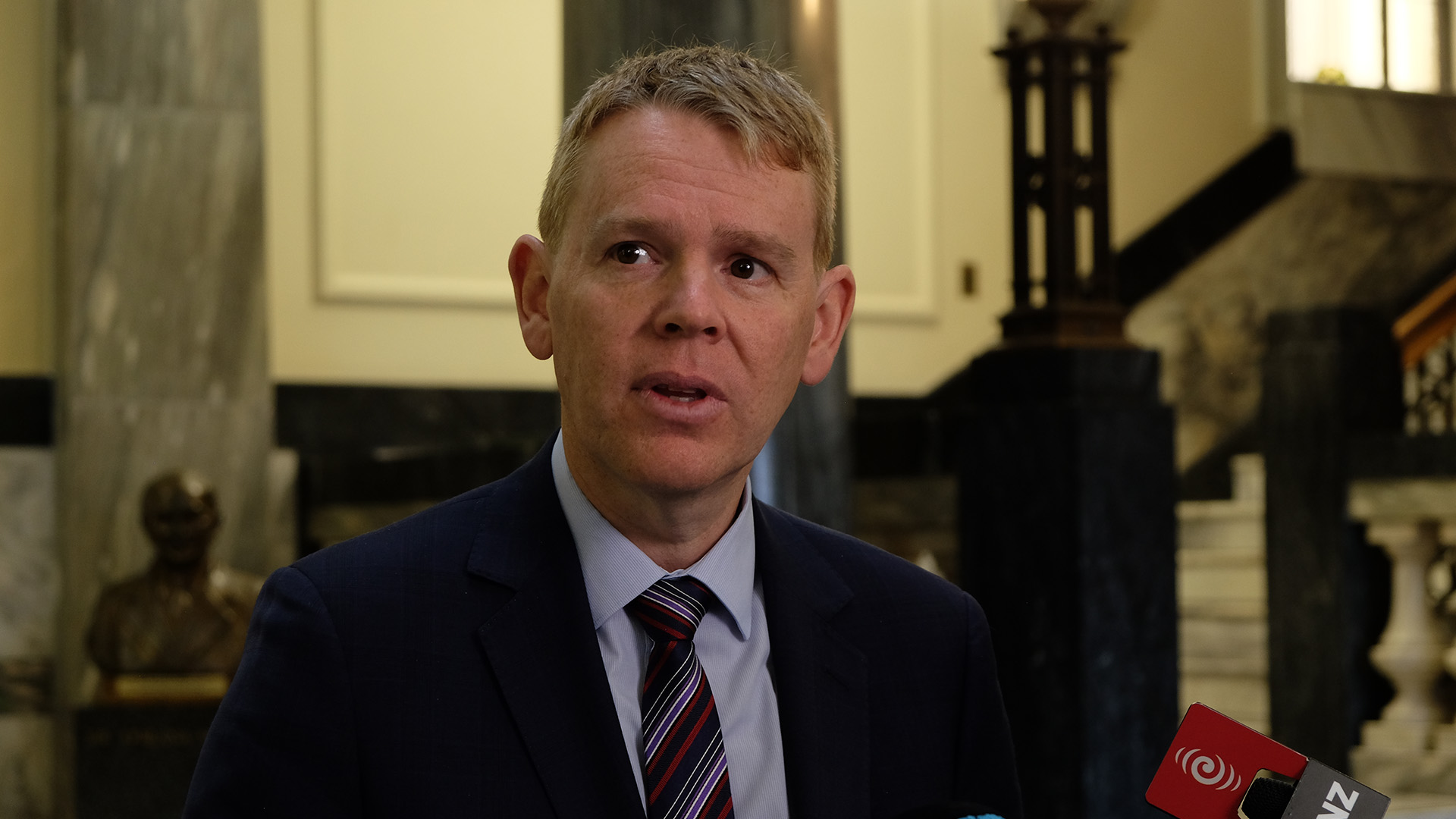
A large question mark also hangs over the public service if the Opposition were to gain power after the election. The future of the Ministry for Regulation would likely change, with Labour leader Chris Hipkins saying it is highly likely cutting the Ministry will be the party's formal position for the election.
Labour previously pledged to scrap the Regulatory Standards Act, which could mean the standalone ministry functions move back into the Treasury.
"We're finalising our manifesto at the moment. We'll set out our position on that," Hipkins said.
"We don't want to cut public services. That doesn't mean we're going to keep the public services exactly as they are under National. We'll have different priorities to theirs."
Asked if he would scrap the Social Investment Agency, Hipkins said they would still want to see a social investment focus.
"We think that the current government have talked a lot about social investment, they haven't actually done it. The concept of social investment, i.e. investing upfront so you avoid future cost, is a good one. The social investment agency developing more evidence on how government can best do that is a useful contribution."
Green Party leader Chlöe Swarbrick said her view on the Government's workforce reduction plan isn't to try bicker about the numbers.
"But instead to just try and take a step back and go sensibly and practically, what are we actually trying to achieve with the bureaucracy in the public service, and then how do we actually equip the public service, be that with the personnel or with the structure necessary, to achieve those things?" Swarbrick asked.
"What is the role of the public service that outlives the partisan chops and changes of the politics of the day?"
If she would be open to looking at the current government's public service structure proposal, Swarbrick said they would, "absolutely."
"For us it just comes back to the really basic premise of what are we trying to achieve" - part of that, she said, was dealing with the "capacity that's been whittled away, but also morale is pretty bloody gnarly."
On the Ministry for Regulation, Swarbrick said the Greens could have the discussion about absorbing it back into other public service functions.
"But I guess there is a theoretical world in which we could actually use the Ministry of Regulation to meaningfully and properly regulate certain things."
"The main point here is that we are not interested in just doing a complete overhaul when we come into government and gutting things for their own sake," Swarbrick said.
We welcome your comments below. If you are not already registered, please register to comment
Remember we welcome robust, respectful and insightful debate. We don't welcome abusive or defamatory comments and will de-register those repeatedly making such comments. Our current comment policy is here.