
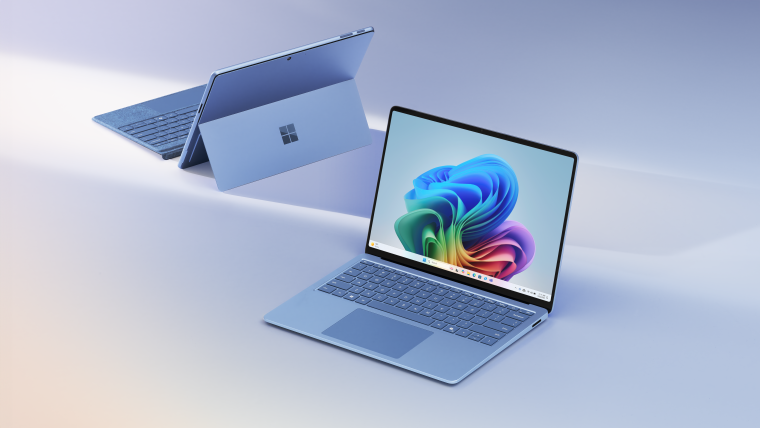
Ignoring a building "AI fatigue" among IT users, Microsoft is going in boots and all with artificial intelligence technology, announcing a a range of Copilot+ Windows PCs together with a bundle of computer makers at an event in the company's home city of Redmond, Washington.
Copilot+ is neural network hardware built into PCs. That's probably where AI will be of most use for many people: doing image, audio and recognition locally on your device, and then providing automation and assistance for that as well as other common computing tasks, rather the doing the long roundtrip to and from the cloud.
However, the AI story seems like a sideshow compared to Microsoft pushing its flagship product, Windows, towards the Arm processor architecture on PCs. Microsoft which has been casting jealous side eyes at Apple, which successfully moved to Arm for all its devices in 2020.
The result of the move to Arm were powerful laptops with long battery life and Apple never looked back to Intel. Microsoft is now again testing the Arm waters, and comparing the new Copilot+ PCs with Apple, saying they outperform the 15-inch MacBook Air M3 by a margin in certain benchmark tests.
What's more, there are now native Windows app for the Arm64 hardware architecture so they don't need any performance hampering code translation layers.
This includes popular apps like Slack, the Chrome web browser, Spotify, Zoom, Blender and a Windows feature called Recall that lets users find things on their PCs. Adobe has also ported a bunch of apps to Copilot+ PCs like Photoshop, Lightroom and Express. Games weren't mentioned at the event, which for Microsoft is quite a big deal, no scratch that, an enormous deal, given how many billions it spent on Activision Blizzard.
Microsoft's traditional hardware partner Intel was hardly mentioned at the event, ditto chipmaker AMD which also supplies processors for Windows PCs. In an effort to maintain mindshare, Intel sent out a release about its Lunar Lake processors which it hopes to ship 40 million of this year.
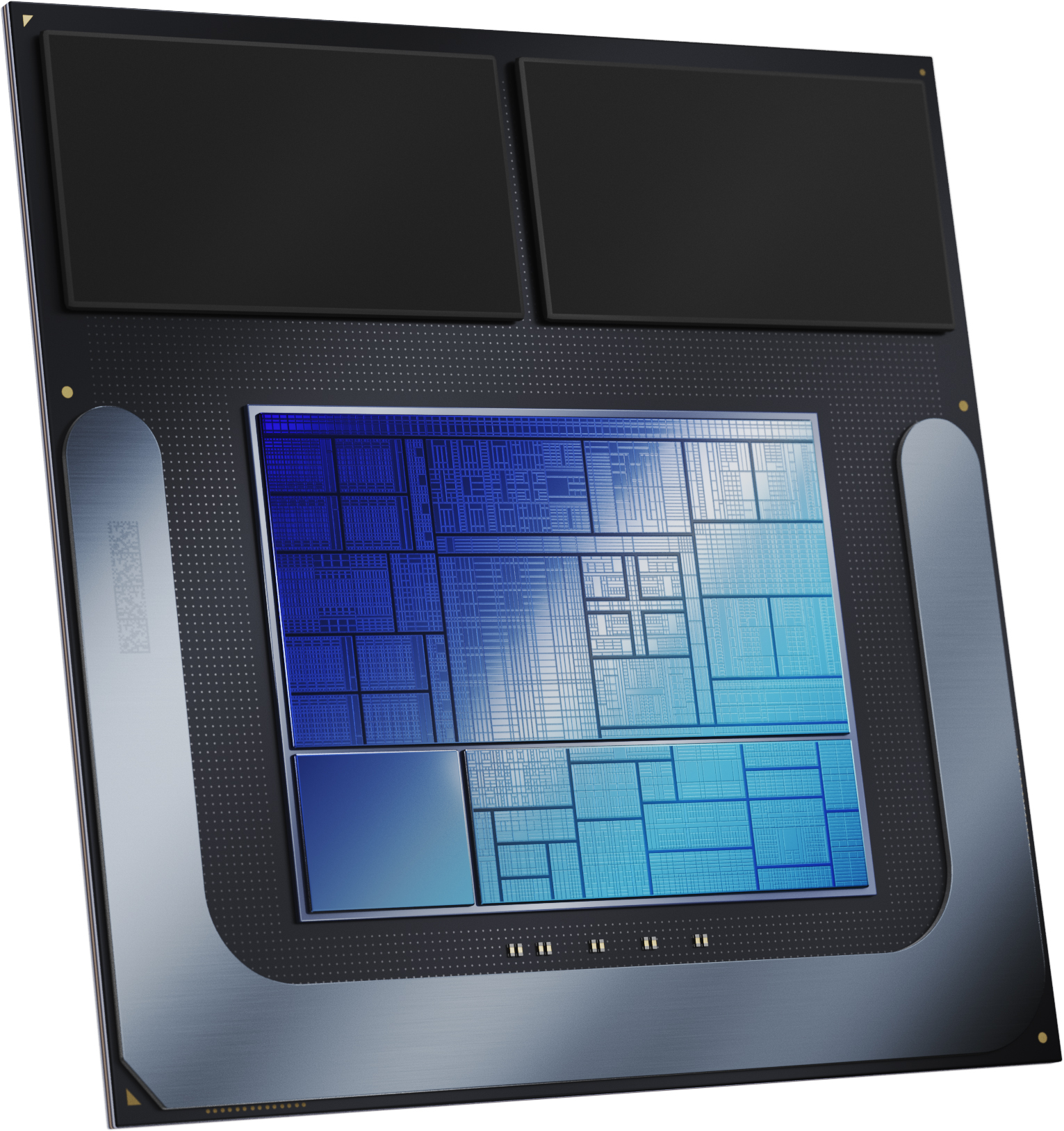
That's an ambitious a number of shipments, given that Lunar Lake won't be available until the third quarter of this year, but Intel still has a huge ecosystem of Far East manufacturers to lean on. It does seem Intel was sidelined though, as it said the Lunar Lake chips "will receive free updates to Copilot+ when available".
Qualcomm will power the Windows Copilot+ PCs launched today, with the chip designer's Snapdragon X Elite and X Plus systems-on-chips that looks impressively fast on paper, and provide more than 40 trillion operations per second (TOPS) worth of neural processing unit performance for that jazzed up AI that users didn't know they needed (perhaps).
Intel's Lunar Lake is supposed to have better performance than the Snapdragon X chips, and it might be the case, ditto with AMD's upcoming Strix parts. If so, how much that will matter for users, compared to long battery life, remains to be seen.
The Copilot+ processors are made with a 4 nanometre node and will go into devices like Microsoft' Surface Laptop and Surface Pro, Acer Swift 14 AI, ASUS Vivobook S 15, Dell XPS, Inspiron and Latitude models, HP OmniBook X and EliteBook Ultras, Lenovo Yoga Slim and ThinkPad T14s Gen6 and Samsung Galaxy Book4 Edge; the latter companies sticking to cryptic and difficult to remember device naming conventions unlike Microsoft.
How well do they work? We hope to find out from late June onwards when the new laptops become available.
We welcome your comments below. If you are not already registered, please register to comment
Remember we welcome robust, respectful and insightful debate. We don't welcome abusive or defamatory comments and will de-register those repeatedly making such comments. Our current comment policy is here.