
We often advise brands in China to focus on what they do best. Build the brand around a hero product and a focused value proposition. Target a specific geography, demographic, lifestyle or occasion, then aim to become the obvious choice within it.
Trying to be everything to everyone often leaves a brand meaning very little to anyone. A tighter focus helps you understand a customer segment properly and respond to its specific needs; even a niche segment in China can be enormous.
Yet focus does not mean staying narrow forever. Once a brand has established a clear position, effective marketing and sales channels, and a loyal customer base, moving into adjacent categories can create new revenue and purchase occasions. The question to ask is whether the extension follows a logic that customers immediately understand.
When chocolate becomes fuel
Decathlon is a good example. It has built a solid reputation and extensive store network in China by selling accessible sporting goods and equipment. Sports nutrition is a logical next step: it serves the same customers and occasions while introducing high-volume, frequently purchased products.
The setting also changes how these products are perceived. A chocolate bar in a supermarket feels indulgent. Inside Decathlon, a protein chocolate bar feels like fuel. Even when a snack is not especially low in calories, the sports environment gives it a healthier and more functional sheen. This has driven a lot of talk on social media about Decathlon’s snacks being an alternative to snacks from Sam’s Club.
Fashion brands invite customers to stay for coffee
Food has become an increasingly common extension for brands in China. It can generate additional sales, but its wider value lies in making brands more accessible, creating richer experiences and giving consumers another reason to visit stores more often and stay longer.
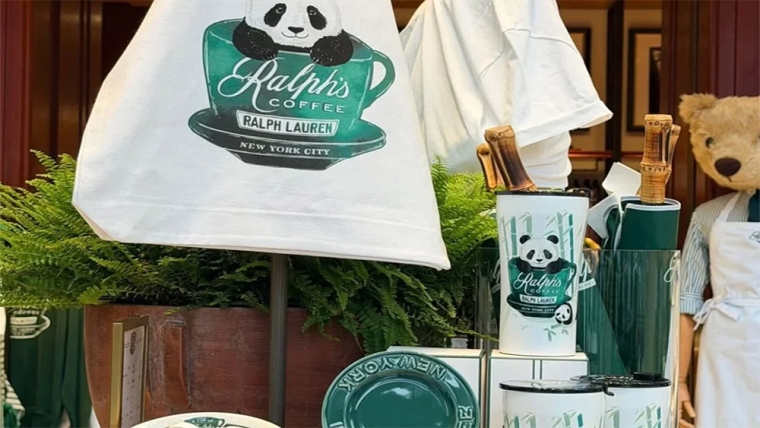
Ralph Lauren’s Chengdu flagship includes Ralph’s Coffee, offering locally developed drinks and desserts alongside branded mugs, clothing and tote bags. Zara followed a similar model with Zacaffè when it opened its Nanjing flagship in 2025.
Neither café is a random addition. Both give consumers a relatively affordable way to participate in the brands’ lifestyles. They also make the stores more social, experiential and relevant beyond the occasional clothing purchase.
Turning durable products into repeat purchases
Dyson isn't adding a food line, but it is following similar logic. The company has built enviable credibility around engineering, haircare and hair health. Its challenge is that devices are expensive and purchased infrequently.
Dyson Chitosan styling creams and serums build on this reputation and are designed to work alongside its devices. This allows Dyson to move from durable hardware into replenishable products without straying far from the expertise customers already associate with it.
Destinations are widening their appeal too
The same approach can be seen in tourism, where destinations are using existing strengths to create additional reasons to visit.
South Korea has built on the popularity of K-pop and dramas to promote K-beauty experiences, skincare shopping and cosmetic treatments to Chinese visitors. Japan is using the popularity of anime to encourage “anime pilgrimages” to regional towns and real-world locations featured in popular productions.
Finland is adding digital detox, sauna and wellbeing experiences to its established appeal around nature and Nordic living. New Zealand is combining spectacular landscapes with stargazing and dining, while Australia is building on its reputation for clean natural environments through produce, seafood, coffee and wine tourism.
In each case, the extension gives an established promise a new form. It doesn't try to pitch something completely different about the destination.
Knowing where your brand permission ends
There are plenty of opportunities to build on a hard-won reputation, but brand permission is not unlimited. Moving too far can weaken what the brand stands for, create operational problems and leave consumers wondering why the product exists.
Before expanding, brands should ask:
Does the product solve an existing customer problem?
Does the brand have a practical advantage in making or selling it?
Can existing channels sell and service it properly?
Will people buy it again after the novelty wears off?
Does the extension deepen the original positioning, or merely borrow its fame?
So its probably not a great idea to rush from cosmetics into pet food, simply because the category is growing. The strongest extensions feel obvious in hindsight. They serve customers you already understand, through channels you already control, while reinforcing the reason people trusted the brand in the first place.
*Mark Tanner is the CEO of China Skinny, a marketing consultancy in Shanghai. This article was first published here, and is re-posted with permission.
We welcome your comments below. If you are not already registered, please register to comment
Remember we welcome robust, respectful and insightful debate. We don't welcome abusive or defamatory comments and will de-register those repeatedly making such comments. Our current comment policy is here.