
We are apparently out of recession, and economic growth is forecast and expected. But how did the recession affect the different generations in terms of job growth? Were they equally affected?
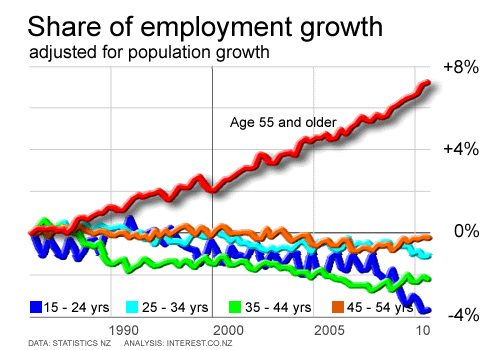
The answer seems clear from the data - older workers kept a fairly tight hold on jobs. And that hold seems to have been at the expense of all other age groups.
Our analysis covers both the 2009 recession, and extends back to 1991. Apart from that 1991 recession, workers aged 55 and over have tightened their grip since.
In 1991, one employee in ten was over 55; today, that is one in five.
Every other age group has seen their share of the employment market decline.
And this review adjusts for the changing age patterns of the population. What we are seeing is a demographic shift to an older workforce, and that older group is grabbing a bigger share of the jobs on offer.
Apparently, experience counts for a lot in New Zealand.
Migration of the young is irrelevant to this analysis - even if migration was increasing among younger workers, the 15 to 24 year age group still saw their share of the employment market fall during the 2009 recession.
Among the other age groups, 25 to 34 year olds did better than 35 to 44 year olds, but still experienced a loss of employment share. In contrast 45 to 55 year olds held their own over the whole survey period.
This is what happened. Is it something public policy should address? Or is this just employers opting for maturity and experience?
Or is it more evidence that the baby boomer generation has successfully grabbed more-than-its-share of the employment market, a bit like it is accused of in the housing market?
Your view?
We welcome your comments below. If you are not already registered, please register to comment
Remember we welcome robust, respectful and insightful debate. We don't welcome abusive or defamatory comments and will de-register those repeatedly making such comments. Our current comment policy is here.