
Here's my summary of the key news overnight to keep you up-to-date over these holidays.
In Japan, December factory data showed some sustained growth in the sector in December. Production increased at a good pace boosted by another rise in new orders. Factory jobs are rising with the latest growth rate the fastest since May. The depreciation of the yen is raising pressure on prices with input price inflation accelerating to an 11-month high.
China has dropped decade-old quotas limiting exports of strategically important rare-earth minerals that sparked a global trade dispute and led the world to reduce its reliance on Beijing’s control of supplies.
Germany’s inflation rate fell to 0.1% pa in December, raising the odds that consumer prices in the eurozone fell for the first time since the depths of the financial crisis.
In Russia their currency is still falling, although in thin trading volumes. Of more interest however is the international mystery that has captivated Moscow’s investment community. The founder of Blackfield Capital, once one of Russia’s hottest hedge funds, has vanished along with all the firm’s assets of about US$20 mln.
In Australia, borrowing by households and businesses rose an impressive +5.9% in the year to November, according to the latest data released by the RBA. These are higher rates of increase than for the same period a year earlier and are the highest in six years. The revival in Australian credit growth, and a weakening currency that does something to improve the competitiveness of Aussie manufacturers, may allow the RBA to hold rates unchanged for longer after cutting its benchmark interest rate to a record-low 2.5%. It won't hurt bank profitability either.
Meanwhile, the Australian manufacturing sector shrank in December - something it has been doing almost continuously since 2011.

There was news in the beef market overnight because the US has ended a 15 year ban on imports from Ireland due to mad-cow restrictions. This is the first European country to get the all-clear. The US imported a bit over 1 mln tonnes of beef in the first ten months of 2014 and New Zealand was the second largest supplier after Australia. Now the Irish will be seeking a share of a very lucrative trade.
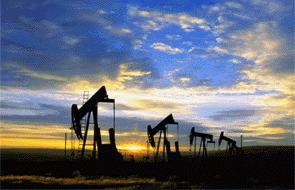
The selloff in global oil markets showed little signs of slowing in the new year with US crude breaking below $50 a barrel briefly, the first time since April 2009, on fears of a supply glut. The benchmark US price is now just on US$50/barrel and the Brent benchmark is just on US$53/barrel. High demand for heating oils during their very cold winter is having no impact on prices at all.
American carmakers reported strong December sales overnight, boosted by these falling fuel prices, but industry executives and analysts cautioned that growth would slow this year after five years of rapid recovery from their recession. New Zealand car sales for December should be reported today.
Gold prices rose by about $10/oz to US$1,195/oz.
UST benchmark 10yr bond yields sank overnight and are now at just 2.04% which is their lowest level since 2012. In New Zealand, interest rate swaps saw more yield falls. Now the 1-5 curve is now just 22 bps and the 2-10 is just 26 bps, both new 5 year lows.
The NZ dollar was steady overnight as it has been for the past three sessions. It starts today at 77 USc. We are also at 95.1 AUc and the TWI is at 78.8.

The easiest place to stay up with event risk over the holiday period is by following our Economic Calendar here » Have a fun, safe New Year celebration.
Daily exchange rates
Select chart tabs
We welcome your comments below. If you are not already registered, please register to comment
Remember we welcome robust, respectful and insightful debate. We don't welcome abusive or defamatory comments and will de-register those repeatedly making such comments. Our current comment policy is here.