
Here's our summary of key events overnight that affect New Zealand, with news of economic and credit warning signs from all over.
Firstly in the US, home builder sentiment recorded its steepest one-month drop in over 4½ years in November. Rising mortgage interest rates and tight home inventory pushing up home prices generally is squeezing affordability for the home building sector's products.
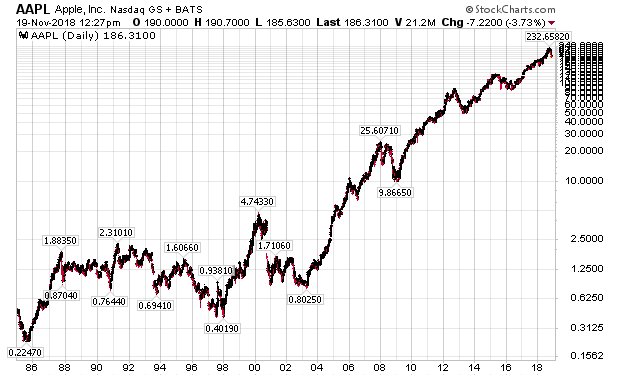
And it is not only home builders seeing lower demand. Apple is reported to have scaled back orders for its latest products.
The S&P500 is down -1.7% in a broad selloff today on Wall Street. Yesterday, Shanghai closed up almost +1%.
Japan has recorded an unexpectedly large goods trade deficit in October as higher oil costs led imports to rise at their fastest pace in nearly five years. The subsequent oil price fallback will unwind the trend.
And staying in Japan, Carlos Ghosn, a famous cost-cutting executive, has been arrested by Tokyo prosecutors for alleged financial misconduct at the Nissan car company, a company he has led for almost 20 years. The company said it was preparing to sack him as chairman. He is also the head of French carmaker Renault leading a close partnership between the two companies. The French government has stepped in to reassure all its Renault stakeholders.
In China, after years of booming growth, their real estate sector is wobbling. A state bank research report says their real estate market will face “a year of recession” in 2019. Sales, investments and new construction starts will decline significantly next year, they say and the government should abandon recent policies that were put in place to cool the market. Developers are showing stress signs too.
In India, the stress between the Government and their central bank has been dialed back substantially with a new agreement between the two for the central bank to pay off the government. No kidding. The regulator will now allow "restructuring of stressed loans of small and medium enterprises" and will move to make a very large "surplus transfer to the government".
In Australia, they are piling into a new sport of flogging bank management. Anything goes apparently, with the standards expected of them not matched by the mob. The most likely outcome is a retreat into a severe credit crunch as risk averse mindsets take hold, especially in home lending. Spillover into the New Zealand economy is likely, and even if it isn't, the impact on the Australian economy from this sharp retreat will be substantial.
The UST 10yr yield is starting today unchanged at 3.07%. However their 2-10 curve is wider at +29 bps however. The Aussie Govt 10yr is at 2.68% and unchanged, the China Govt 10yr is at 3.38%, up +1 bp, while the NZ Govt 10 yr is at 2.72% and down -2 bps. But at the short end, there is pressure building on the Chinese currency as US Treasury rates have pushed higher than Chinese government bond rates. One-year government securities in China yield of 2.611%, now below the 2.684% offered by one-year U.S. Treasury notes. This is a turnaround from the usual premium for Chinese government bonds of as much as 2%.
Gold is unchanged at US$1,222/oz.
US oil prices are stable again today at their new lower levels at just under US$56.50/bbl. The Brent benchmark is now over US$66.50/bbl.
The Kiwi dollar is starting today -½c softer at 68.3 USc. On the cross rates we are unchanged at 93.8 AUc, and -½c lower at 59.7 euro cents. That puts the TWI-5 at 72.5.
Bitcoin is sharply lower again today, now at US$5,053, almost -US$500 lower than this time yesterday and a -9% dump in a day. At one point it dipped below US$5,000. This is a sentiment crash, not one triggered by any specific event. This rate is charted in the exchange rate set below.

This chart is animated here.
The easiest place to stay up with event risk today is by following our Economic Calendar here ».

We welcome your comments below. If you are not already registered, please register to comment
Remember we welcome robust, respectful and insightful debate. We don't welcome abusive or defamatory comments and will de-register those repeatedly making such comments. Our current comment policy is here.