
This week’s Top 5 is from Katharine Moody, a senior tutor at Massey University's College of Humanities and Social Sciences in Palmerston North, who comments on interest.co.nz as "Kate".
As always, we welcome your additions in the comments below or via email to david.chaston@interest.co.nz.
And if you're interested in contributing the occasional Top 10 yourself, contact gareth.vaughan@interest.co.nz.
1. Ban bottom trawling in our EEZ
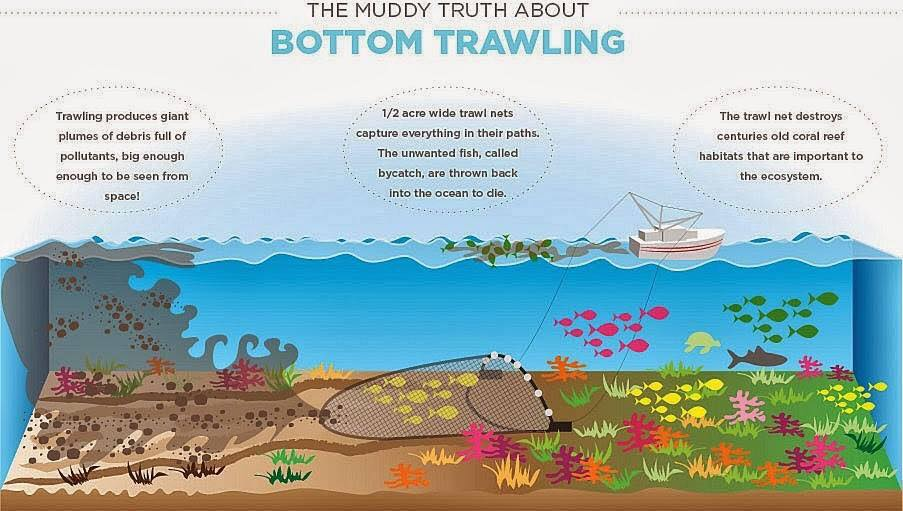
New Zealand Geographic’s latest issue looks at the economic, social and environmental downsides of our Fisheries Quota Management System (QMS), and the failings of repeated governments to modernise the outdated neoliberal policy framework. There are many other downsides to the QMS, but the policy that permits bottom trawling is the most ecologically destructive.
Around 40% of the commercial catch in the Hauraki Gulf is caught by bottom-trawling, which involves pulling a chain-edged net along the sea floor…
“If New Zealanders really care, they should ask where the fish comes from,” says Bishop. “They should spend more money buying my fish and stop buying the trawl fish.”
… a common criticism of the QMS is that it doesn’t distinguish between fishing methods, regardless of their environmental impact.
As Paul McCartney suggests, if slaughterhouses had glass walls, everyone would be vegetarian. And so too for seafood, if the sight of our seabed destruction was an in-your-face daily reality.
The system-wide impacts of scraping the sea floor are legion, he says. Chemicals in sediments that would normally escape slowly are released in pulses every time the trawl or dredge gear goes over them, and the relative abundance of species is changed. The destruction of corals, sponges and gorgonians causes the deaths of juvenile fish and reduces their habitat—and affects global processes that we’re only just beginning to understand.
“Those animals are profoundly important in the nitrogen cycle, the carbon cycle. The continental shelves make up just 7.5 per cent of the surface of the planet but they’re the most important for those processes.”
The continental shelves experience the most fishing pressure, but the industry’s environmental impact there goes largely unregulated and unstudied, he says. “They have profoundly changed the nature of some habitats that will take millennia to recover.”
Millennia to recover. We need to demonstrate to the world, responsible stewardship in this critical policy area. Plenty of other countries have done it.
2. Ban pokies
Stuff recently ran this three-part series on the campaign from a lawyer, an ex-addict, a retired maths teacher, a social worker, a grandmother, a Māori warden and a former mayoral candidate to rid us of the scourge of pokie dens in our communities;
In their sights is every dingy pokie bar and dodgy bottle store. And they've got the law on their side - in theory, if not always in practice.
"This is David against Goliath, because they have virtually unlimited resources and can hire the best lawyers and accountants," says the lawyer, former corporate suit Grant Hewison. "But what I'd say we have on our side is the truth."
Like many of the problems we have in our natural environment, the near total absence of enforcement actions by our regulators results in harm that should not be tolerated by any government, particularly as in this case, the harm arises from questionably lawful activity;
There's a bit in the Sale and Supply of Alcohol Act which says you cannot hold a tavern licence if your primary activity is gambling. Licensing committees must weigh up whether a venue looks like a pokie den (is it shabby, dominated by pokies, has a small bar area), if it offers decent food and entertainment, and what revenue it derives from alcohol sales versus pokie fees.
Hewison fights against these places keeping their licences. Wilson, and others, gather the evidence.
The Avengers are winning, as are many other community groups fighting this scourge, but why has it come down to citizen volunteers being the first line of defence regarding regulatory enforcement?
To make the issue a non-issue, the Coalition Government should simply ban pub/neighbourhood pokies altogether, as they are of no social benefit, aside from propping up sports clubs. There must be 101 more socially responsible ways to do that.

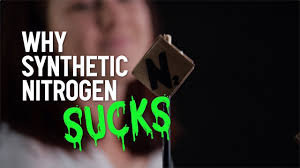
Last week, the UN launched its global campaign on better nitrogen management, explaining:
The bad news is that the nitrogen problem has so far received little attention outside scientific circles. The good news is that in addressing it we can significantly roll back the damage from the three challenges I have just touched on – climate change, air pollution and land degradation.
Roughly 80% of the synthetic nitrogen we use as fertiliser to grow food goes to waste. Much of this wasted nitrogen leaks into our rivers, lakes and seas, feeding algal blooms that deplete oxygen and destroy life. These “dead zones” have quadrupled in size since 1950. The largest, in the Baltic Sea, can reach 70,000 km2 – an area almost twice the size of Denmark [and more than twice the size of NZ].
From a climate change and water quality perspective, I’d far rather we remove agricultural emissions from our international obligations regards climate action (see my next entry), and instead ban the use of synthetic nitrogen. It’s a two-birds with one-stone type policy.
As Mike Joy points out in this podcast (from 20 minutes in - although the whole conversation is worth listening to), Lincoln University have demonstrated how to farm at higher profits with lesser environmental impacts.
4. Can the inclusion of agricultural emissions in the Zero Carbon Bill/Act
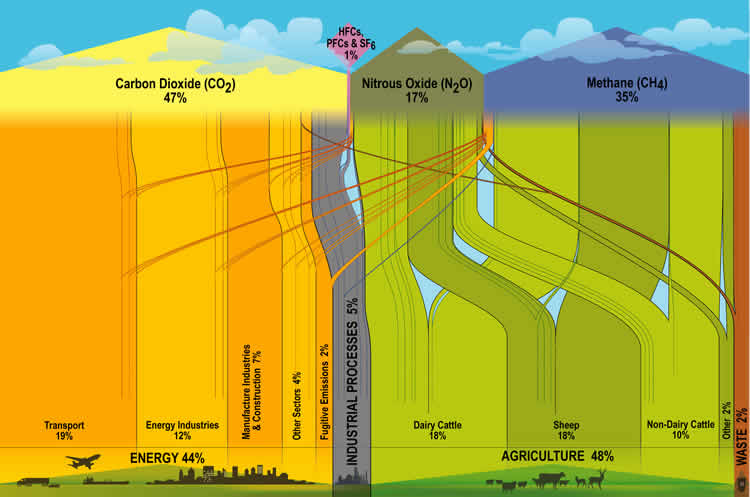
The Coalition government has effectively kicked the can down the road anyway, so why not just be pragmatically honest, and put the consideration of ruminant GHG emissions into the dustbin – forever? That is the argument put forward by the authors in ‘Greenhouse Gases – A More Realistic View’.
Despite what camp we inhabit on the ‘A’ in the AGW debate, I believe we can all agree that global hazards arising from extreme weather events are immense, and the socioeconomic costs are exponentially rising. We will have to meet these costs.
Whether or not the scientific arguments on either side of the mitigation debate are right or wrong, I think New Zealand would be best served by following the authors’ recommendations that:
Based on the information presented we conclude that the GWP value of 25 (and rising) for CH4, and between 265 and 310 for N2O, is incorrect… [and] the generally accepted GHG effects of CH4 and N2O, almost 50% of the total New Zealand emissions, must be seriously questioned…
Consequently, it is suggested that these gases be removed from New Zealand’s Greenhouse Gas Inventory, and that the supporting case for such treatment be prepared for negotiation with our international partners.
For the simplest form of climate policy, we would count only carbon dioxide emissions; put a tax on carbon emitters (with no concessions for the Emissions Intensive, Trade Exposed (EITE) industries) and scrap the ETS. Additionally, we would cost-recover public transport based on its emissions profile only.
Provided we kept increasing capacity on PT to meet increased demand, with the above framework AND a ban on synthetic nitrogen, we’d likely meet our Paris commitments without the need for any other policy initiatives.
5. Can the subsidies on exotic plantings in the One Billion Trees policy
Jane Clifton’s recent article in New Zealand Listener, ’Out on a limb: How to fix New Zealand's flawed forestry policy’ covers the trend of carbon-forest investors outbidding farmers for rural land, noting that:
North Island forestry land prices have risen from $6656 a hectare to $13,128 in the year to April… [and Shane] Jones’ forestry officials have had to go back to the drawing board to reconsider the parameters of his One Billion Trees Programme.
It is a good study in perverse incentives associated with cap and trade carbon policy, combined with an economic development initiative adding a sweetener on top.
Still, reluctant as they [the Coalition Government] might be to soften or change any of the courses they’ve set in this intensely complex policy area, the political risk is considerable. The farmland-conversion issue is just one potentially perverse incentive that, between Billion Trees and the ETS, could bedevil the Government’s best intentions.
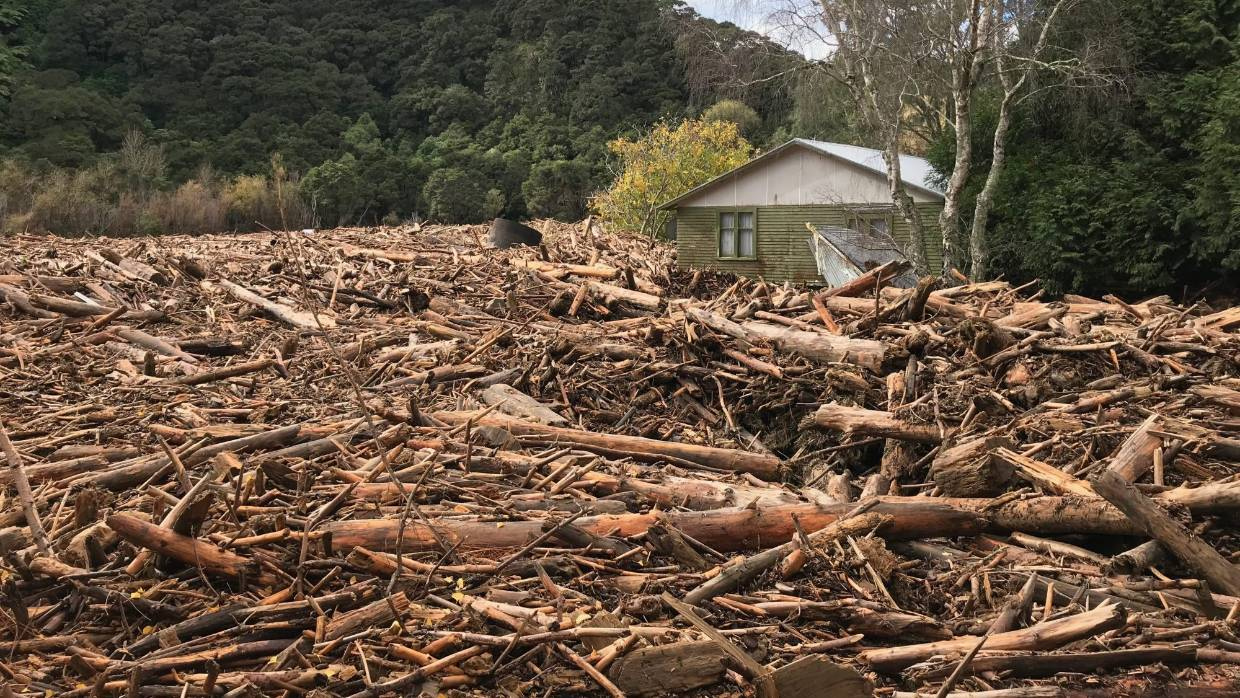
Given the disaster that ravaged Tolaga Bay, taxpayer subsidies on radiata pine have the potential to produce similar ecological harm to that arising from government subsidies on irrigation. And like irrigation, it is near impossible for industry to mitigate for the effects of this inappropriate land-use. Native bush is the only way to combat this type of future destruction.
Happily, the Coalition Government canned the irrigation subsidies, let’s hope they do the same for Pinus radiata.
We welcome your comments below. If you are not already registered, please register to comment
Remember we welcome robust, respectful and insightful debate. We don't welcome abusive or defamatory comments and will de-register those repeatedly making such comments. Our current comment policy is here.