
Today's guest Top 10 is by Rebecca Sellers, Director of Melior Law and Regulation.
As always, we welcome your additions in the comment stream below or via email to david.chaston@interest.co.nz.
And if you're interested in contributing the occasional Top 10 yourself, contact gareth.vaughan@interest.co.nz.
See all previous Top 10s here.
1. How economics became a religion
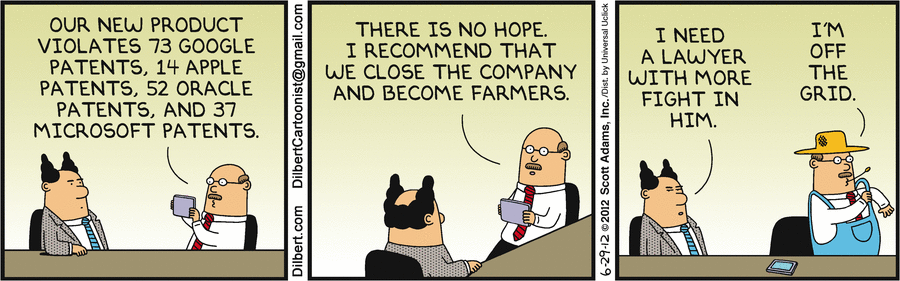
The top 10 column usually has excellent input from economists. As a lawyer, interested in human behaviour, I was encouraged by John Rapley’s article. He writes about the tension between economists’ mathematical models and human behaviour and concludes that economists need to work more closely with other disciplines.
The New Zealand financial services industry is currently considering a proposal by the FMA to enable “robo-advice”. Robo-advice is financial advice generated by algorithms without direct involvement of a human adviser. In New Zealand, such advice is prohibited if it considers the customer’s individual situations or goals.[1] In theory, relying on algorithms should improve consumer experience and outcomes, but taking people out of the transaction could concentrate risk. This report reviews growth of Fintech between 2015 and 2017; anticipates future use across several sectors and demonstrates that globally consumers and the financial services industry are adopting technology, challenging the regulators to keep pace.
3. The ethics and competency of financial advisers
Pension reform in the UK has led to defined benefit pension scheme members being tempted to cash in their pensions by six-figure capital sums of up to 40 times their expected pension income. The UK regulator is proposing that financial advisers are obliged to make a more comprehensive assessment, in the form of a “personal recommendation” to clients who want to cash in their defined benefit pension. Similar issues will keep the newly appointed NZ Code Working Group occupied as they consider the ethical and competency standards for all who provide financial advice, under proposed changes to the New Zealand financial advice regime.[2]
4. The high price of sales culture
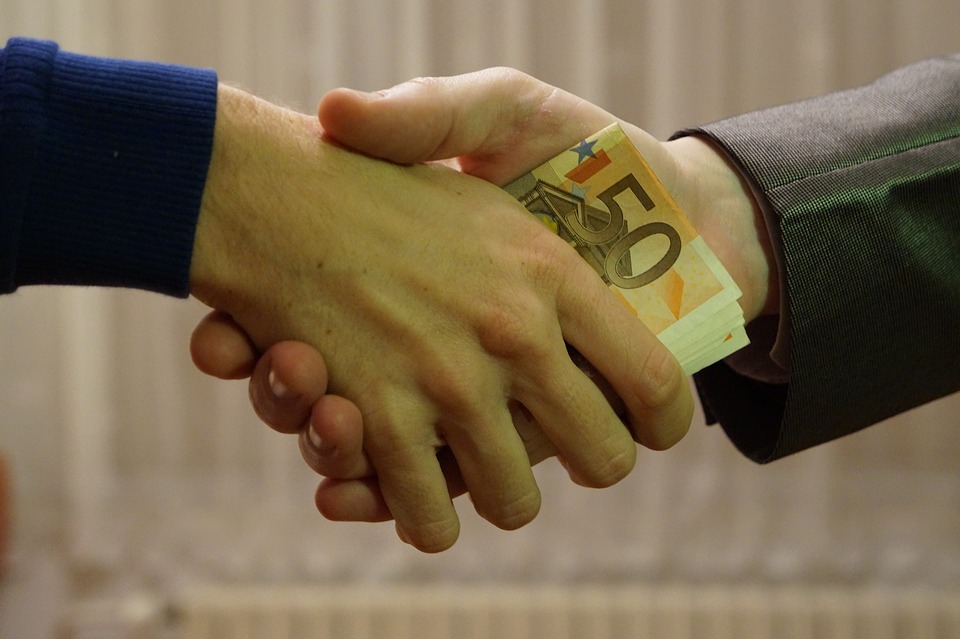
Sales culture in the UK has cost the banks dearly. An estimated 60 million personal protection insurance policies sold in the UK since 1987 have produced 18.4 million complaints. As at the end of March 2017, UK banks and finance companies had paid out more than £26bn in compensation.[3] Australia has had similar issues, and the major banks in Australia have signed up to recommendations made by Stephen Sedgwick, restricting product sales commissions and product based payments in Australian retail banking.[4] New Zealand’s banks are assessing the Sedgwick recommendations in the context of the proposed changes to the Financial Advisers Act 2008.
5. Change a brain and change the world
“As you know, there is no such thing as society.” Margaret Thatcher’s 1987 comments to Women’s Own Magazine, were the source of much derision. However, the Dalai Lama, psychologists and philosophers all agree that if you change one brain, you have changed the world.
Culture may not be easy to measure, but diversity brings wealth of thought and experience that can counteract toxic organisational practises. But we can only recognise the value in diverse thought if it is expressed. What strategies do you use to make sure you are heard in meetings? This advice works for men as well as women who want to be seen and heard and valued.

Taika Waititi is collecting for racism. Every smile counts. Small changes in an individual’s behaviour can have big effect on the culture of organisations. Regulators talk about “tone from the top”, but every person in an organisation needs to embrace cultural change to get the best outcomes for customers.
Each of us needs to take responsibility for the language we use. Google and Apple alum says using a particular word can damage your credibility
9 The huge upside of being forgetful
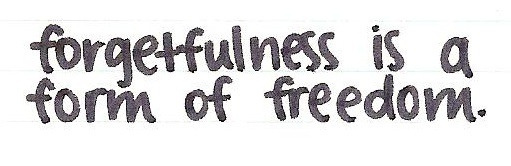
Before all this sounds too exhausting – there is good news. Forgetting allows you to be effective. So, enjoy your weekend, safe in the knowledge that everything you are forgetting helps you function better.
10. Our dangerous drinking binge
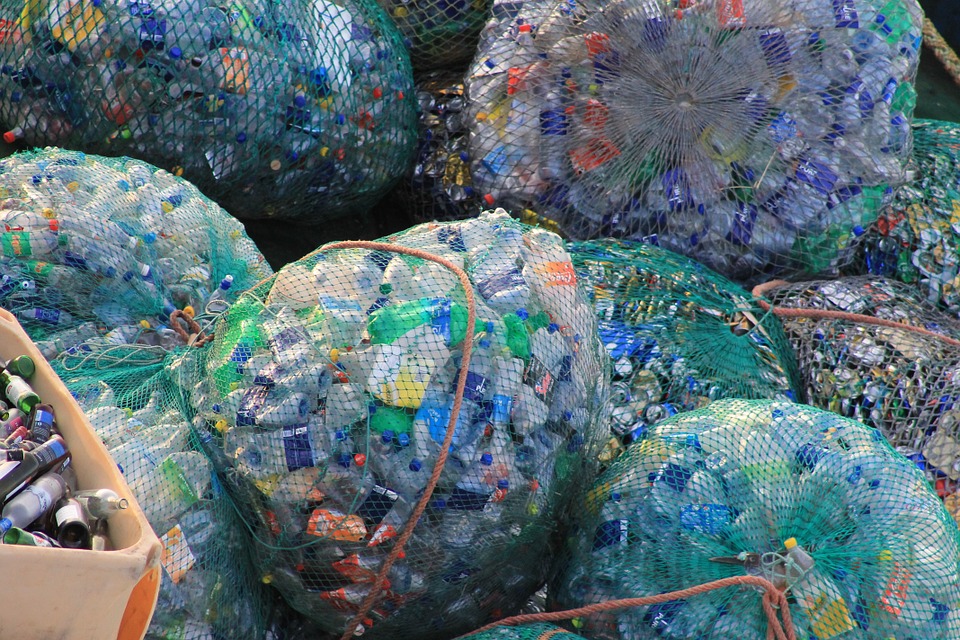
One of the best things about New Zealand is its beaches. Whatever else you do with your weekend, spare a thought for your beach when you are offered a plastic bag or drink bottle. The amount of plastic produced in a year is roughly the same as the entire weight of humanity.
We welcome your comments below. If you are not already registered, please register to comment
Remember we welcome robust, respectful and insightful debate. We don't welcome abusive or defamatory comments and will de-register those repeatedly making such comments. Our current comment policy is here.