

Is the fact that homeownership has become an unrealistic dream for millions of young adults around the world a reason why the cryptocurrency bubble grew so big?
According to UBS chief economist Paul Donovan, it may well be.
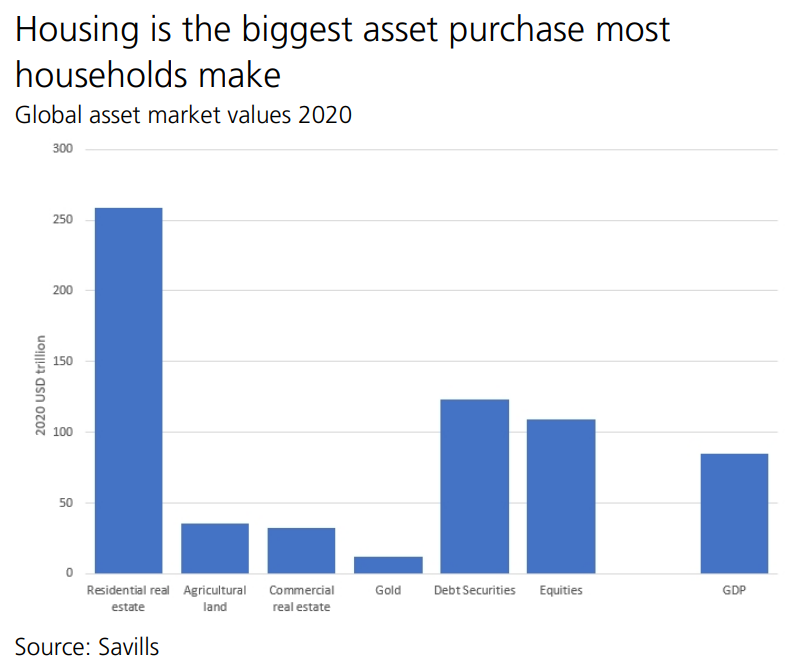
In a research report Donovan notes that in developed economies, housing is typically the most important asset an individual will own. So if homeownership is a realistic goal, young people will save for a deposit and other homeownership costs.
Alternatively if housing is so expensive young people give up hope of homeownership, there's less incentive to save for a deposit. Instead, argues Donovan, younger adults have an incentive to spend more or speculate.
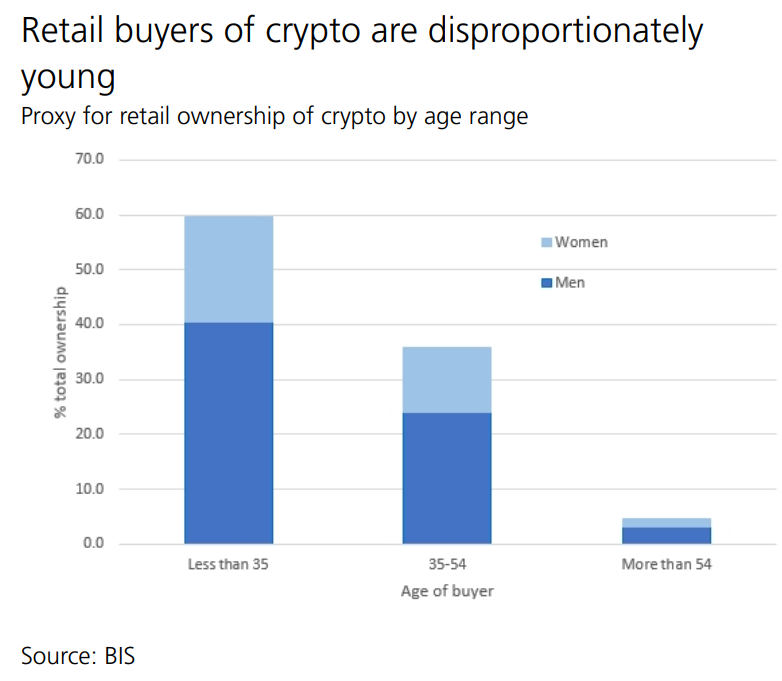
Pointing to research from the Bank for International Settlements, the central banks' bank, Donovan says crypto and meme stocks, equities whose value is driven by social media promotion rather than anything economic, are disproportionately owned by young people.
"Fewer and fewer young people can afford homeownership. Data suggests that speculation is more likely in countries with rising homeownership costs. The stereotype of many crypto-owners as young men still living in their parents' basements may be well-founded," Donovan says.
"If homeownership remains unattainable, gambling on crypto, meme stocks, and other speculations may remain attractive to younger generations. If homeownership becomes affordable for young people, this speculation may quickly fade."
Donovan argues that the importance of housing as an asset creates a very specific type of savings behavior with wannabe homeowners needing to save a deposit. Additionally they need to save money to cover things like legal fees and taxes associated with the purchase. On top of these are the start-up costs associated with owning a home such as property taxes, furniture, and maintenance.
"If someone is saving to buy a house, the savings approach is likely to be low risk. Buying a house entails a specific cost. There is a clear, nominal currency target that has to be hit. As house prices rise, the amount of money that must be saved will normally increase in proportion," says Donovan.
"Wannabe homeowners are not going to gamble the money needed for their deposits. Losing money through speculative investments means that the dream of homeownership fades further into the distance, and conceivably disappears. This is especially important for first-time buyers. This groups will tend to save toward a house in a conservative way. Gambling with the deposit for a home risks more than a monetary loss. If you lose the deposit, you lose the social status associated with homeownership, and potentially the independence that property ownership can bring. No one wants to be living in their parents’ basement in their forties, because of reckless investment decisions in their twenties."
But what happens if buying a house seems permanently out of reach? If homeownership becomes unaffordable for the young, their motives for saving change. And critically, Donovan argues, the risk appetite around savings is also likely to change.
Donovan notes that in the United States a majority of people aged between 18 and 29 live with their parents, the first time since the Great Depression.
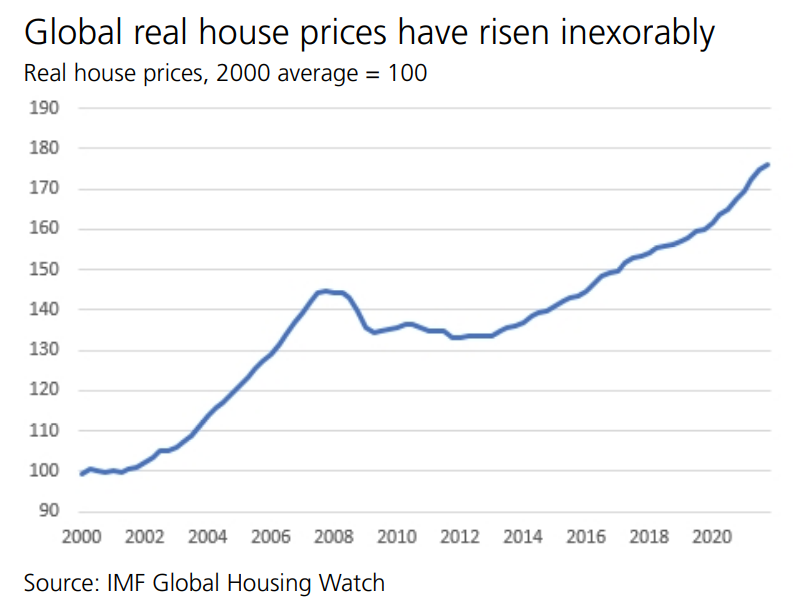
"The story is repeated across the OECD. In most OECD countries a majority of people aged 20-29 live with their parents, and the share still in the parental home has increased over the past fifteen years in twenty of those countries. The increasing share of younger people excluded from the housing market coincides with an increase in house prices around the world," says Donovan.
If young adults aren't saving for a home deposit, they can speculate with their money or spend more on the consumption of goods and services. If they take the speculation path Donovan says this must have an element of fun.
"To compete with consumption, and in particular the consumption of leisure 'experiences' like holidays, there needs to be some entertainment in the act of speculating. Crypto and meme stocks help provide that with online discussion groups which create a sense of community. Crypto in particular has been compared to a religious zeal in the approach of retail investors. Crypto and meme investing is not a passive experience."
"Second the speculation must offer the potential for extraordinary rewards. This is an aspect of most forms of gambling, but in this case housing may make this more important. The stereotypical 'crypto bro' is a young man in his twenties, still living at home in his parent’s basement with no conventional prospect of homeownership," says Donovan.
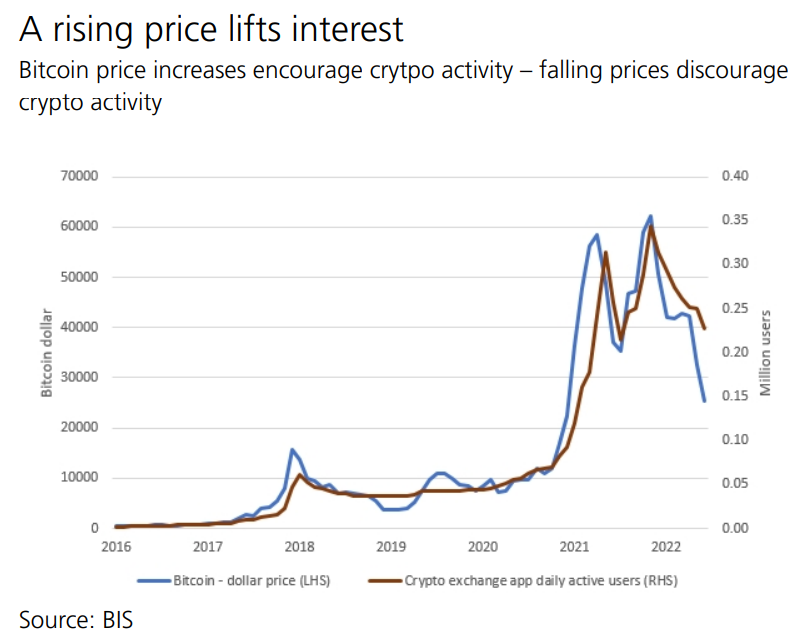
"This sort of person will be attracted to speculation if it holds out the possibility of being able to purchase his own home in the event of the speculation paying off. A belief in being able to get out before the bubble bursts means that as long as prices are rising, more and more people will be attracted to the speculation, as the BIS research has shown in crypto. This is sometimes referred to as the 'greater fool theory' [with] the idea being that the speculator will be able to sell to someone who is a greater fool than they are," says Donovan.
"If the speculation does not pay off, then provided the speculator has not leveraged in order to participate the cost is not so significant. A wannabe homeowner who speculates with their deposit loses not just the money, but the prospect of owning a home if the speculation fails."
"The speculator who does not have a meaningful prospect of buying a home has a smaller loss - they just lose the money they put into the speculation. While loss aversion means that the speculator is not going to be completely indifferent, they are also not going to be so negatively affected. The loss can be characterized as the price paid for the entertainment of the gamble," says Donovan.
He goes on to say that older generations often regard Generation Z, born between 1997 and 2012, and younger Millennials activity in meme stocks and crypto with bewilderment.
"But the disbelief that people would willingly buy crypto or meme stocks comes from a different set of values, values shaped by a realistic aspiration of homeownership. Speculation looks more rational to a generation that will inherit rather than buy property. As long as homeownership is unrealistic, Gen Z and young millennials are likely to keep speculating, although of course the vehicles in which they speculate may change in the future," says Donovan.
"Of more interest, perhaps, is what might happen if housing becomes more affordable in the future. Declining populations and changing patterns of real estate use, e.g. offices converted into apartments, may alter both supply and demand for housing. If that rekindles the homeownership dream for younger generations, the speculation and conspicuous consumption of recent years suddenly acquires a higher cost. Improved housing affordability may end up bursting Gen Z's speculative bubbles."
*This article was first published in our email for paying subscribers. See here for more details and how to subscribe.
We welcome your comments below. If you are not already registered, please register to comment
Remember we welcome robust, respectful and insightful debate. We don't welcome abusive or defamatory comments and will de-register those repeatedly making such comments. Our current comment policy is here.