
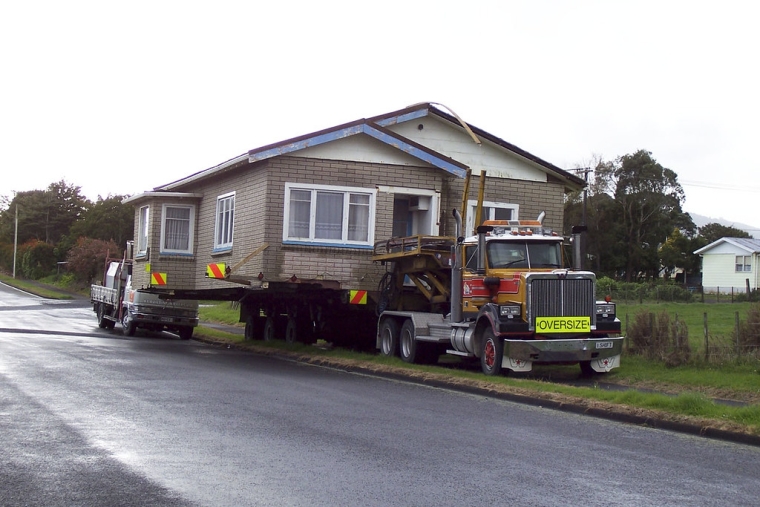

The housing market has been on a fairly wild ride so far this year, and there's at least a reasonable chance this could continue into spring and perhaps even beyond.
Prices have certainly come back down to earth with a thud since the Real Estate Institute of New Zealand's national median price peaked at $925,000 in a fit of irrational exuberance in November 2021.
By July this year it had dropped back to $753,000, meaning it had declined by $172,000 (-18.6%) over that 32 month period.
The price falls haven't let up over the latest autumn/winter season either, with the national median price falling steadily from $800,000 in March this year to $753,000 in July, a drop of $47,000 (-5.9%) in four months.
In the market-leading Auckland region, the median price has declined by $350,000 from its November 2021 peak and by $120,800 since March this year.
One of the main drivers of the big price falls over the last year has been a surge in the number of properties for sale.
Normally, stock levels peak over summer and then fall away over winter. But in the last 12 months there was an unusually high surge in properties for sale over summer and the numbers remained elevated over winter.
At the end of July property website Realestate.co.nz had 30,556 residential properties for sale, up 32% compared to July last year.
And last month the REINZ reported just 5806 residential sales nationally, which meant there were more than five properties for sale for every one that sold.
The result of this has been a large overhang of unsold stock, tipping the market firmly in buyers' favour.
With so many properties to choose from, buyers can afford to be choosey and strike a hard bargain when negotiating a price.
That means if vendors have wanted to achieve a sale they have had to cut their asking prices to meet the market, and that's exactly what they have been doing.
Since February this year the average asking price of residential properties listed for sale on Realestate.co.nz has dropped from $927,312 to $816,797 in July. That's a drop of $110,515 in five months. The average asking price peaked at $994,885 in January 2022, so its down by $178,088 from its peak.
So in a natural progression of cause and effect, high stock levels have led to lower asking prices and in turn, lower selling prices.
But is this cycle likely to continue as we head into spring and summer?
Firstly it's likely the volumes of both sales and listings will start picking up over the next few months because even when the market is soft, it still follows seasonal trends to a greater or lesser degree.
So there's likely to be some increase in sales activity over the next few months.
How that affects prices will largely depend on what happens to the big overhang of unsold stock currently weighing on the market, and that in turn depends on the relative strengths of supply and demand.
That is, the number of potential vendors who have been sitting on the sidelines for one reason or another who could take the plunge and list their property for sale in the next few months, compared to the number of potential buyers who might also be ready to dive into the market.
One thing that might influence the balance between buyers and sellers is interest rates.
Some market commentators would have it that mortgage interest rates have a much bigger influence on the housing market than the laws of supply and demand.
In which case last week's decision by Reserve Bank to cut the Official Cash Rate by 25 basis points should signal the start of increased turnover and rising prices in the housing market.
But the fly in the ointment of that argument is that mortgage interest rates rates had already been falling for seven months before the Reserve Bank cut the OCR.
The average of the two year fixed rates offered by the major banks declined steadily from 7.04% in November last year to 6.72% in June this year, which suggests a lower OCR was already priced into mortgage rates in anticipation of last week's cut by the Reserve Bank.
Further cuts in mortgage rates will likely reflect the banks' expectations about the extent and pace of future OCR cuts rather than what has already happened.
While recent declines in mortgage rates probably had some effect at the margins of the market, it obviously wasn't enough to lighten the load of unsold properties weighing on the market and pushing down prices.
Which suggests we will need to see a much greater downward movement in interest rates before there is a significant shift in the balance between buyers and sellers and a corresponding reduction in stock on the market.
So if you are contemplating the road ahead for the housing market it may be best to fasten your seatbelt and hang on - the rough ride of the last few months probably isn't over yet.
- The comment stream on this story is now closed.
•You can have articles like this delivered directly to your inbox via our free Property Newsletter. We send it out 3-5 times a week with all of our property-related news, including auction results, interest rate movements and market commentary and analysis. To start receiving them, register here (it's free) and when approved you can select any of our free email newsletters.
We welcome your comments below. If you are not already registered, please register to comment
Remember we welcome robust, respectful and insightful debate. We don't welcome abusive or defamatory comments and will de-register those repeatedly making such comments. Our current comment policy is here.