
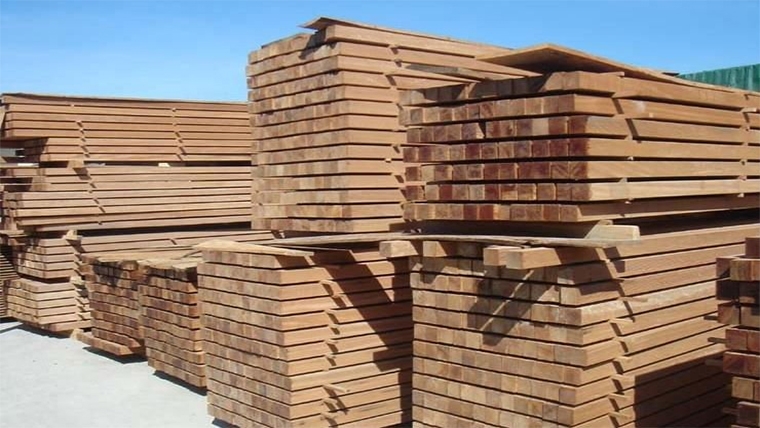
Residential construction costs are starting to rise again after a period of flat to falling building materials prices.
The latest figures from QV's CostBuilder construction cost database shows the average cost of building a standard home in the main centres increased 0.5% over the three months to the end of November, and 1.1% over the year to the end of November.
CostBuilder monitors more than 60,000 individual construction cost items, ranging from nails to labour rates in the main centres of Auckland, Hamilton, Palmerston North, Wellington, Christchurch and Dunedin.
The most notable price increases over the November quarter were for structural timber, up 5.2%, cladding systems +5.0%, concrete +4.5%, diesel +3.0% and painting and specialist finishes +2.3%.
Going against the overall upward trend were price decreases for plumbing materials, which declined overall by 1.5%, largely due to a whopping 36.1% decrease in the price of PVC tanks, with Buteline pipe fitting costs down 8.1%.
"What we're seeing is less a broad-based rise, and more a patchwork of increases and decreases," QV CostBuilder quantity surveyor Martin Bisset said.
"It's not a surge by any means, but we're starting to see some early signs of cost pressure returning, particularly in timber, cladding systems and some specialist finishes, he said.
"These aren't dramatic shifts, but they are worth watching as activity begins to firm heading into 2026," he said.
"The biggest impact on overall building costs was likely to come from increasing timber prices because timber is a principal component for residential construction," QV's report said.
Bisset also warned proposed changes to the Building Act, such as a move from joint and several liability to proportionate liability for building defects, plus mandatory warranties and professional indemnity insurance for design professionals, could impact construction costs over time.
"Any regulatory change tends to create uncertainty before it creates efficiency," Bisset said.
"If warranties and insurance requirements add new compliance costs, those will almost certainly be passed through to developers and home owners, but on the other hand, more proportionate risk sharing may reduce delays and disputes down the line," he said.
- A quarterly analysis of residential building consents, including average dwelling size by type of property consented and the average consented build cost per square metre, is available here. The same analysis for the main types of commercial building consents is available here.
The comment stream on this article is now closed.

We welcome your comments below. If you are not already registered, please register to comment
Remember we welcome robust, respectful and insightful debate. We don't welcome abusive or defamatory comments and will de-register those repeatedly making such comments. Our current comment policy is here.