
Important Correction: The bond data in this story was supplied by Tenancy Services, which is part of The Ministry of Business, Innovation & Employment (MBIE). MBIE has advised that the February data it supplied was incorrect due to a double counting error on its part. MBIE is currently correcting its bond data. Therefore the bond figures quoted in this story are likely to be inaccurate. Interest.co.nz will republish the story once we have received the corrected data from MBIE.
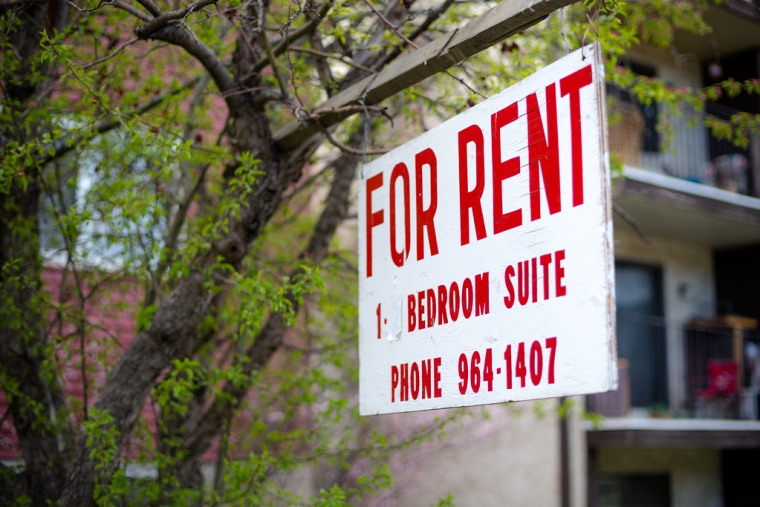
The rental housing market had its busiest month in nine years in February although rents were slightly softer overall.
The latest rental bond figures from Tenancy Services show that 16,617 residential properties were newly tenanted in February, up 12.9% compared to February last year. Tenancy Services is part of the Ministry of Business, Innovation & Employment.
February is usually one of the busiest months of the year for new tenancies, with tertiary students signing up for accommodation at the start of the academic year being a major driver.
This February was particularly busy, with more tenancy agreements signed than in any month of the year since February 2017.
Rental activity was particularly strong in Auckland and Wellington.
There were 6081 new tenancy agreements signed in Auckland in February, up 9.2% compared to February last year, and the first time new tenancies in Auckland have been above 6000 since Tenancy Services started the current data series in January 2012.
Rental activity was particularly strong for Auckland central business district (CBD) apartments.
The were 594 one bedroom apartments newly tenanted in the Auckland CBD in February.
That was up a huge 214% compared to February last year, and was easily the most one bedroom apartments tenanted in the Auckland CBD in any month since January 2012, and was probably an all time high.
Similarly, two bedroom apartments were also popular, with 210 tenanted in February, up 25% year-on-year, and was the most in any month since February 2024.
New rental activity was also strong in the Wellington Region, where 2364 tenancy agreements were signed in February, a five year high for any month of the year, and up 9.0% compared to February last year.
While rental activity was strong in February, rents were slightly weaker.
According to Tenancy Services, the national median rent agreed on newly tenanted properties was $590 a week in February, down slightly from $600 in January.
The national median rent has been stuck at $600 a week for most of the time since December 2023, with just an occasional exception. So we are yet to see if this February's dip is the start of a downward trend.
However, the fact that rents were slightly weaker while rental activity was so strong, suggests there is currently an ample supply of properties available to rent, giving prospective tenants plenty of choice.
The comment stream on this article is now closed.

We welcome your comments below. If you are not already registered, please register to comment
Remember we welcome robust, respectful and insightful debate. We don't welcome abusive or defamatory comments and will de-register those repeatedly making such comments. Our current comment policy is here.