
Interest.co.nz is unpacking how AI will change your everyday life - the risks, the opportunities, and what to actually expect. Our new series brings you the policymakers, experts and industry leaders from New Zealand and overseas, with a new story every workday over the next couple of weeks.
By Anna Whyte
Prime Minister Christopher Luxon doesn't want New Zealand to be "average" when it comes to artificial intelligence (AI).
"I'm constructively dissatisfied, and I want to go faster," he told Interest.co.nz, in the first episode of our new series, Unpacking AI.
His warning is blunt: If New Zealand is just being incremental when it comes to AI, we're going to get left behind.
It's not just about government efficiency, either, having just announced radical reform of the public sector in an effort to cut 9000 jobs, save $2.4 billion and rapidly roll out AI and other technologies.
Luxon says AI's reach goes further - it's going to impact all sectors and all parts of the economy - and he wants New Zealand to front foot it, and not be scrambling to catch up.
Unpacking AI: With Prime Minister Christopher Luxon
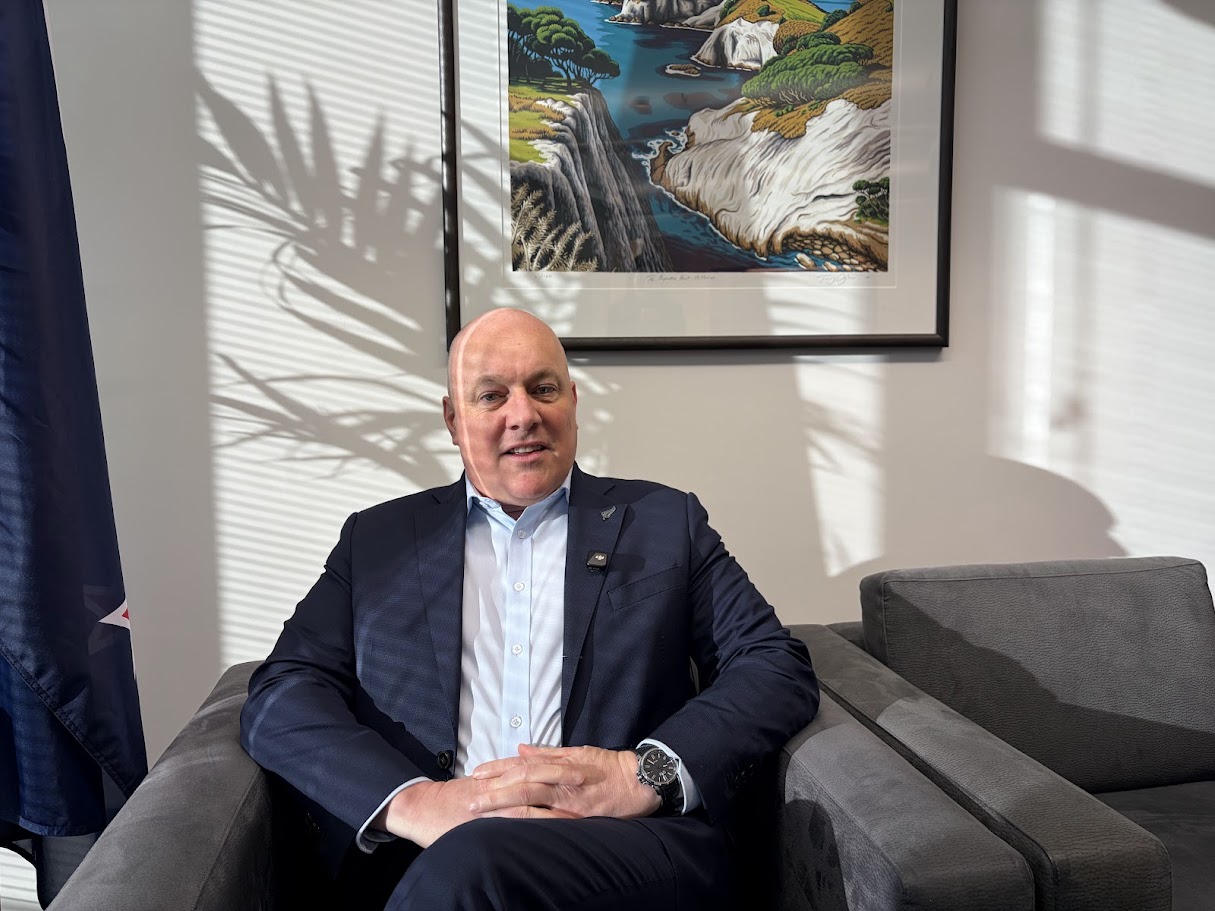
Anna Whyte: What’s your view on AI and where do you see New Zealand’s AI adoption in the next five years?
Christopher Luxon: AI is a massive revolution that's taking place. We're going to see more change in the next decade than we've seen probably in the last century.
That's a huge dislocation, and that represents just a massive opportunity for New Zealand.
It's a chance for us to embrace it, to use it, and to out-compete other countries. There's 195 countries in the world, they've all got the same opportunity, and they’re all going to be similarly dislocated with this technological revolution.
We want to get on board and actually make the most of it.
Anna Whyte: AI as a workforce enhancement tool or a workforce replacement too - How does that relate to New Zealand's public and private sectors?
Christopher Luxon: I read some of the accounts back in what was called the second industrial revolution, where you had people moving from ploughs and paddocks out to tractors, and this was the end of farm working as we knew it, and it was going to be terrible, and all those kinds of things.
My last year at Air New Zealand as a CEO, we had a whole bunch of AI jobs being created that, in a 12 month period, hadn't previously existed.
There's new opportunities as this technology comes through. Now, the reality is most technology disruptions we've had in the past have affected one or two jobs or sectors quite deeply. This is actually going to have an impact on all sectors and all parts of the economy, for sure.
And so, the challenge is, as a country how do we now embrace it and actually see an opportunity for New Zealand to get wealthier and to be more prosperous off the back of it?
It will impact all the jobs, not completely 100%, but pieces of all jobs... and so that's why I encourage people to embrace it, not to be fearful of it. Understandably there will be some anxiety about it, but there is also going to be a whole bunch of new jobs created off the back of it.
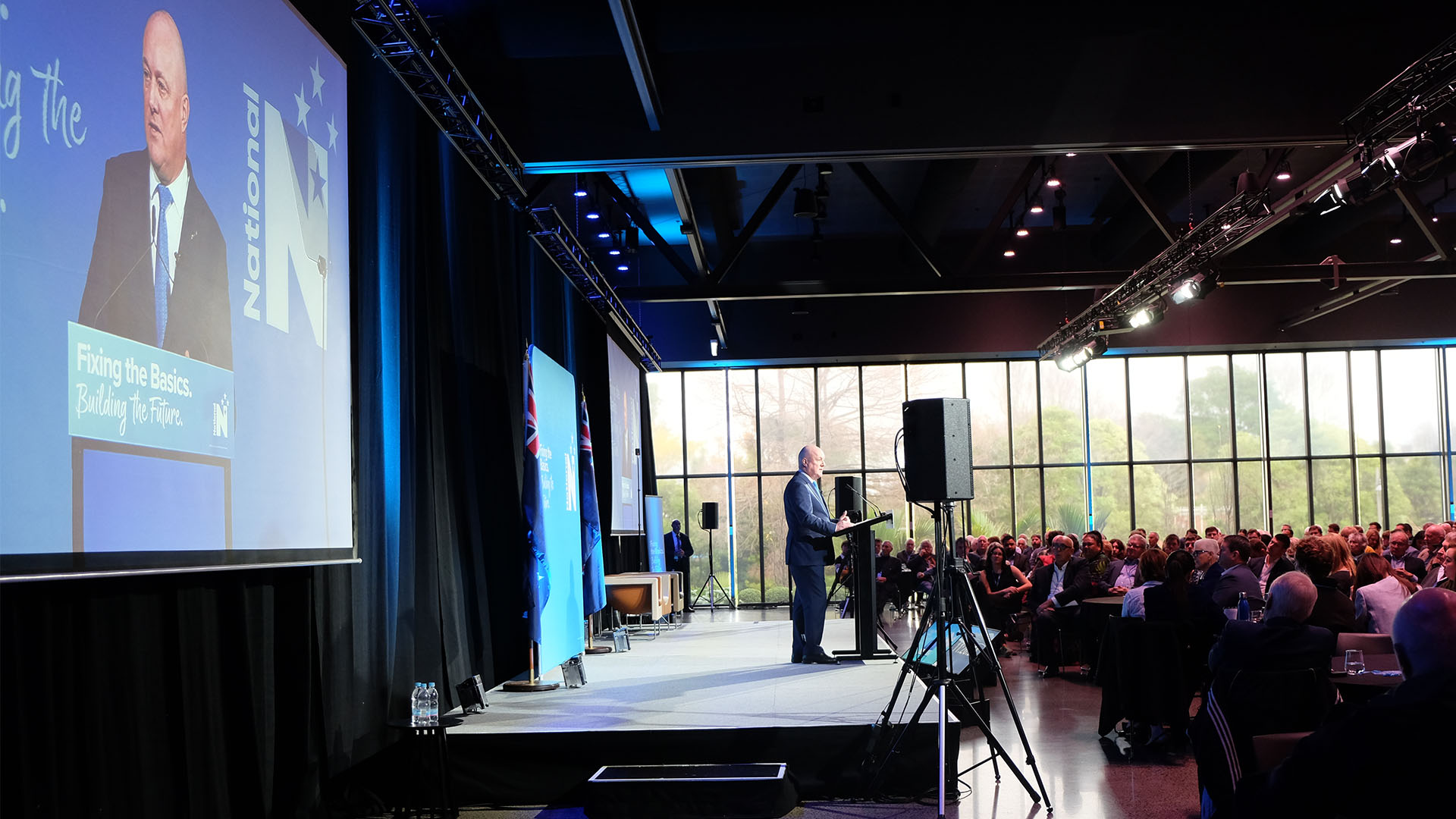
Anna Whyte: How do you bring the workforce with you on AI?
Christopher Luxon: Just being average is actually meaning that you're falling behind in technology, and so we need to be on the front foot, and we need to be much more embracing of technology and the application of it into our society and to our economy.
There's two challenges at the moment in New Zealand, well, actually three.
One is, I think we've got an attitude problem.
We need to see it as an opportunity rather than a challenge, and there's a huge opportunity for New Zealand in a massive area of dislocation, to out compete and to jump essentially through the adoption of technology.
Secondly, our small-medium enterprises in particular, when I go around the business associations, the chamber events, many of them... are not really embracing tools like we see other small-medium enterprises around the world.
And the third thing I'd say is the Government's well behind in terms of its adoption of AI and other technologies as well.
So, we've got a really big job to do.
As a government, that's one of the major aspects of the public service reforms that we want to introduce in the second term, is to streamline our government, make it much more efficient, but most importantly, make it much more effective, so it can better serve the people of New Zealand through the adoption of technology.
And as you get to artificial general intelligence, where you think this AI could be at the cognitive ability of a human in the next few years, the mastery of law, the mastery of medicine will be two big areas that will have a huge opportunity and impact, so that we can deliver better service to people.
I say we've got a massive opportunity to leapfrog if we get our attitude right, and we actually determine to embrace it.
Are you happy where New Zealand’s government AI roll out is at?
I'm constructively dissatisfied, and I want to go faster.
It's getting the right capability, the right people involved that actually can see the potential of how we protect the machinery of government, but we also deliver much better service to people.
The private sector is well ahead of the New Zealand government in this. Around the world, there are many governments that are doing an exceptional job and actually [are] ahead of the private sector in some countries, and so there's just so much opportunity for us to do it differently.
Anna Whyte: Are you looking at regulation, in terms of giving businesses certainty of what they can and can’t do, and around cybersecurity safeguards?
Christopher Luxon: Big time.
We've put a lot of support the last two years into the private sector, making them much more literate and aware of the cybersecurity risks.
In a private sector sense, we've been well behind the private sector internationally... They are starting to understand that you need to make investments and making sure your systems are well protected, that you have good backups, that you actually have cybersecurity.
But it's also incumbent upon every board and CEO to think about their own business, whether it's small, medium, or large, as to how they're managing data, where their cyber security risks actually sit, as well as learning how they can use AI to help them do that.
On the regulatory front... if you think about the US at the moment, every US state is going off and creating its own regulatory framework, which makes it very difficult to operate businesses within that environment, and so we need to work in a very multilateral way with the Brits, with the Australians, the Singaporeans, the Danes, the Irish, others that can build out the regulatory frameworks that we need collectively, because this is a global technology, we need to make sure we've got a global regulatory framework in place to protect us.

Anna Whyte: This time next year, in terms of leadership in AI, do you want to have any carve-outs? Do you want someone in charge of AI across the country, and in terms of leadership in the public service, do you want that strengthened?
Christopher Luxon: We are going step change it big time. I'm talking about a radical transformation of the digital agency within government. We cannot do it incrementally.
If anything, we've had a negative attitude towards AI and technology in New Zealand relative to other countries. So, we’ve got to change that.
Two, we've got to get the capacity and the capability in place, and that is [the] people and structure, as to how we actually are going to accelerate this journey, because it is a massive dislocation, and we're going to be going backwards if we don't really make those investments and in capability.
This is a massive opportunity for the country, and if we are just being average and we're just being incremental and we're already a bit behind the pace, we're going to get left behind. This is a massive opportunity for New Zealand to get ahead.
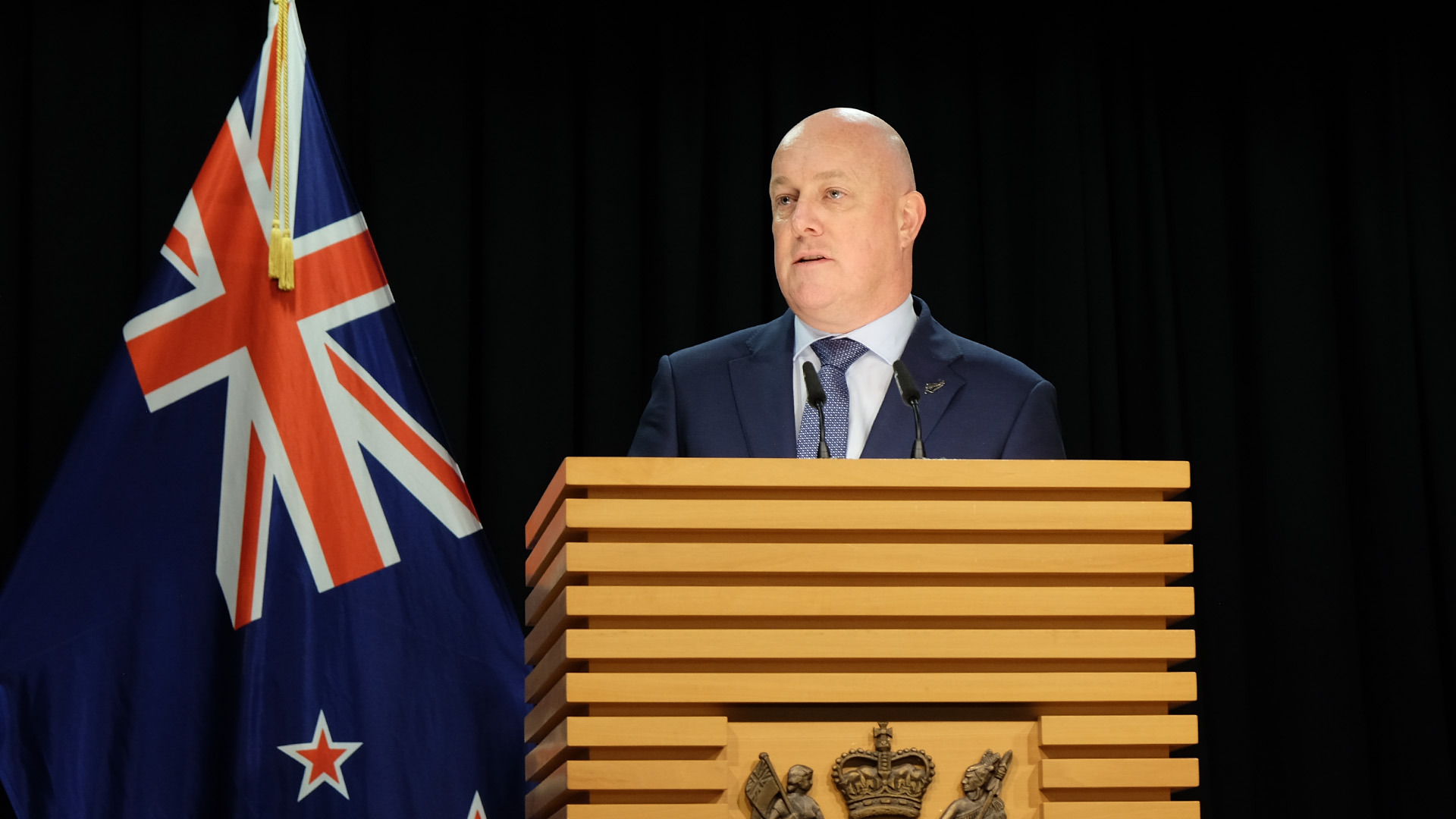
How do you use AI?
I've used it a lot for research and things that I get curious about. It can be cricket scores, it can be all sorts of things… I was looking at saving rates, for example, of different countries, as I was thinking about this KiwiSaver policy that we've announced.
I use both [Claude and ChatGPT] I have a subscription personally that I've signed up for.
I just encourage people to start using some of the AI tools, don't be intimidated by it, don't be anxious by it, just start using, start doing.
We welcome your comments below. If you are not already registered, please register to comment
Remember we welcome robust, respectful and insightful debate. We don't welcome abusive or defamatory comments and will de-register those repeatedly making such comments. Our current comment policy is here.