
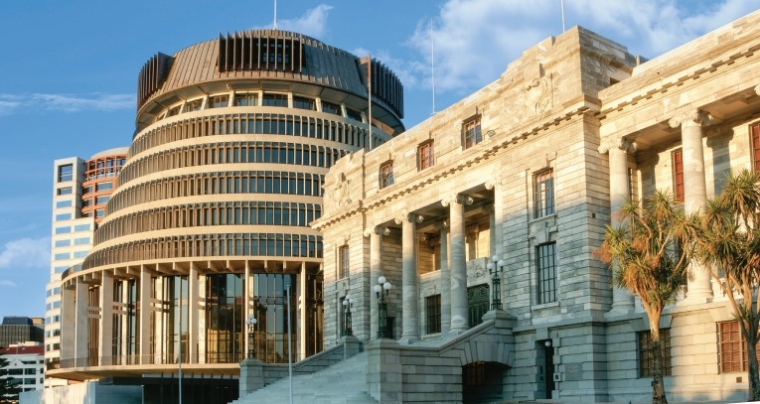
The terms of reference for a parliamentary banking inquiry are out, with the deadline for submissions September 25.
Led by Parliament's Finance and Expenditure Select Committee, the inquiry is being held alongside the Primary Production Select Committee with terms of reference developed by both.
Stuart Smith, National MP and Chairman of the Finance and Expenditure Select Committee, says the inquiry aims to ensure New Zealanders have access to bank services at competitive prices and that regulation imposed by the likes of the Reserve Bank isn't unduly influencing the cost of borrowing.
"We want to ensure that the profits banks are making are justified and comparable to banks in similar jurisdictions, particularly in rural banking and if not, why not," says Smith.
"This inquiry comes at a critical time for farmers, who are facing tough conditions, especially after recent droughts. The committee seeks to address concerns that rural communities may be paying more than they should for banking services."
Farming lobby group Federated Farmers welcomed the broad scope of the banking inquiry, saying it will leave banks with nowhere to hide.
"This inquiry is well placed to shine a bright light on parts of our rural banking system that, until now, have been allowed to operate in the shadows," Federated Farmers banking spokesperson Richard McIntyre says.
The terms of reference are detailed below, with more information here.
Inquiry into banking competition
The terms of reference for the inquiry were finalised in consultation with the Primary Production Committee and are as follows:
The state of competition in banking, including:
- The price of banking services, with a particular focus on business and rural lending products.
- Profitability in banking, how it has changed over time, and how it compares to other OECD economies.
- The return on capital from business, rural, and residential mortgage lending; the level of interest rates charged to each sector; and an assessment as to why there has been a change in the proportion of lending to the productive sector relative to residential mortgage lending.
- The effect of any bank lending policies relating to borrowers’ emissions that result in additional lending costs and/or lending restrictions.
- The level of customer “switching”, how this has changed over time, and how this compares to other countries.
Barriers preventing competition in banking, including:
- Any limits on the growth of non-bank deposit takers.
- Any restrictions on overseas investment/new entrants, including fintechs.
- Any outstanding constraints on the use of technology and open banking.
- The role of KiwiBank as a competitor.
Any possible impact of the regulatory environment on competition and efficient access to lending, including:
- Any impact on the allocation of bank lending by sector, such as business, rural, and residential mortgage.
- The role of prudential regulation and any impacts on risk allocation, smaller banks, and non-bank deposit takers (NBDTs).
- The role of bank regulators (FMA, MBIE, RBNZ) and whether the regulatory environment can be simplified.
- Determine how and to what extent the RBNZ’s capital requirements and credit risk models influence lending rates (see emphasis in Rural Banking section).
- Climate related disclosures.
- Whether the RBNZ’s focus on “financial stability” impeding the development of competitiveness, particularly amongst NBDTs and existing / potential fintechs.
Rural banking:
- Determine how and to what extent the RBNZ’s capital requirements and credit risk models influence lending rates to agriculture and horticulture businesses.
- Ascertain whether the RBNZ’s approach to greenhouse gas emissions risk, including risk of government policy, has and is likely to result in further increases in lending rates to the agriculture and horticulture sectors.
- Ascertain whether bank environmental and sustainability policies have or are likely to result in further increases in lending rates to the agriculture and horticulture sectors.
- Ascertain whether there is adequate transparency on lending rates for rural, residential, and business lending.
- Access to banking services, including access to cash services, especially in rural areas.
Lending to Māori asset-holders, organisations, businesses, and individuals:
- Ascertain what is the experience of Iwi (organisations and asset holders) and Māori (asset-holders and businesses) accessing banking products and services.
- Investigate whether banks are unreasonably resistant to accepting Māori land as collateral for borrowing.
- Investigate whether banks’ processes and procedures contribute to the Māori individuals and households having a disproportionately low rate of home ownership.
In each of these areas the committee should, where relevant, reference the findings of the Commerce Commission’s study into banking competition.
We welcome your comments below. If you are not already registered, please register to comment
Remember we welcome robust, respectful and insightful debate. We don't welcome abusive or defamatory comments and will de-register those repeatedly making such comments. Our current comment policy is here.