
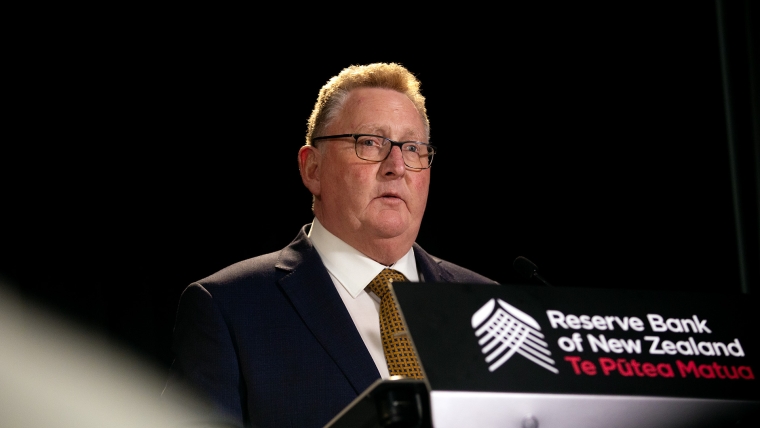
There is still an air of mystery surrounding the shock resignation of Reserve Bank Governor Adrian Orr, even after a very brief press conference with the central bank board Chairman.
Chairman Neil Quigley told reporters the resignation was “just a personal decision” Orr had made, and there weren’t any policy, conduct, or performance issues driving it.
But the timing of his abrupt resignation makes this hard to believe. The Governor was scheduled to give opening remarks at the bank’s monetary policy conference at 9:30am on Thursday morning.
Speaking at the February Monetary Policy Statement press briefing, Orr said the event would be two days of “cut and thrust excitement” featuring ex-Federal Reserve Chairman Ben Bernanke and the Bank of England's Catherine Mann — except now he won’t be there.
Quigley said he didn’t want to lay out the exact timeline, but that it had been under discussion for a few days. Finance Minister Nicola Willis was told once it was clear Orr would resign.
Deputy Governor Christian Hawkesby officially took over as acting-Governor at midday on Wednesday, and Orr has taken annual leave until his official end date on March 31.
Quigley said it didn’t make sense for a Governor to have a “grey period” where they had decided to step down but continued in the role short-term. This is not the regular process, although Don Brash did resign abruptly when he was invited to run for the National Party.
However, it doesn't appear there was any such urgency in Orr’s decision. The way Quiqley puts it suggests he simply decided over the weekend he didn’t want to come into work anymore.
There is no reason he couldn’t have given some notice, or waited until a more convenient time to resign. It seems likely there's something more to the story, and there are many options.
First, there is the possibility it is to do with a health concern. Quiqley was asked this question and said he couldn’t comment. How much should we read into that?
Writing on the wall
But an equally likely reason may be political. Quiqley said the Board was working through “issues” with the Government on policy and funding issues, but nothing in those discussions had triggered the resignation.
It is no secret that Willis and many of her colleagues have criticised Orr and may welcome his resignation. Prior to the election there was even speculation about whether a right-leaning government could force him to leave.
When asked about this in 2023, Orr said he had no plans to step down if there was a change in government and that he would complete his five-year term.
But there were levers that could be pulled. Some proposed an independent review of the bank’s decision making, which could be critical of Orr and hopefully trigger his resignation.
Besides that, the next opportunity to exert pressure on the Governor would be in 2025 when the central bank had to negotiate its next funding agreement with the Government.
The Reserve Bank operates under a five-year funding agreement with the Government, which sets a maximum spending limit negotiated with the Finance Minister. The central bank then has financial independence, as it sources that money itself and chooses how it is spent.
Willis has signalled that the spending limit will be lowered. It was important the bank was well resourced for its core functions but it shouldn’t have extra money for “pet projects,” she said.
One former Reserve Bank employee speculated this may be the reason for Orr’s departure, noting his announcement specifically referenced funding for the future of cash project, financial inclusion, climate change, and Māori access to capital.
“There is much work left to do on the major multi-year strategies RBNZ is following. Ongoing focus and funding will be critical to these projects’ success,” Orr said in the statement.
That specific mention of funding was deliberate. But Quiqley categorically denied an allegation that the bank might be given a better deal if Orr wasn’t in charge.
Capital fight brewing
Bank regulatory capital requirements are another political fight waiting to happen. Orr and his deputy have implemented strict regulations which require banks to carry enough capital to survive a 1-in-200 year crisis.
Some commentators, and parties with vested interests, have said the conservative capital rules are a barrier to competition and have contributed to the big banks' high profits. There has been a growing chorus of voices calling for them to be loosened, but the Reserve Bank has been unwilling to back down.
Did Orr see those two political fights brewing and decide he lacked the political capital to win them? We can only speculate, but it’s unlikely he resigned for no reason.
The good news is that nobody has ever died wondering what Adrian Orr thought. He’s opinionated, outspoken, and unlikely to disappear from public life forever.
As for his legacy, that will take time to develop. Contemporary critics will say he showed poor leadership, ignited inflation, and weakened transparency.
However, the history books will also say that he successfully got pandemic-induced inflation back under control and oversaw substantial institutional reforms which modernised the Reserve Bank.
We welcome your comments below. If you are not already registered, please register to comment
Remember we welcome robust, respectful and insightful debate. We don't welcome abusive or defamatory comments and will de-register those repeatedly making such comments. Our current comment policy is here.