

Labour is promising to take an axe to the supermarket sector by requiring Woolworths and Foodstuffs to run wholesale supply businesses independently from their supermarket stores.
Also announced on Sunday, the Green Party wants to give councils the power to auction leases on shops that have been empty for more than a year, the National Party is promising a ban on screens and individual-device use in early childhood education and limits in primary school, NZ First wants to "make New Zealand healthy", while ACT is promising to "make farming fun again".
Labour's supermarket promise
Labour Commerce and Consumer Affairs spokesperson Arena Williams said while NZ has lots of supermarket brands, Woolworths and Foodstuffs control more than 80 percent of the grocery market.
“Instead of the two supermarket companies controlling the market and shutting out smaller retailers, a Labour Government will create two independently run wholesalers: Foodstuffs Wholesale and Woolworths Wholesale. This will give smaller grocers more places to buy their products and make it easier for new supermarkets to open and grow.
“The big supermarkets can favour their own retail stores, meaning smaller shops and independent supermarkets end up paying more. That makes it harder for them to compete and offer you a better deal.”
Labour promised to remove rules which “stop individual stores, like Four Square, lowering their prices, switching to another chain, or going independent” and ban supermarkets from charging producers “fees for things that aren’t valuable to them, and are intended to make pricing complicated”, the party’s policy statement said.
It also said it would give smaller stores guaranteed access to wholesale products, banning large supermarkets from cutting off their supply when they begin gaining customers.
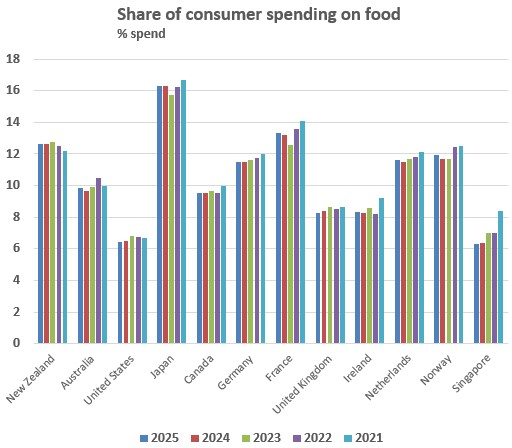
US Department of Agriculture data which tracks food costs as a share of all household spending across 155 countries shows New Zealand households spend about the same share of all spending as in the Netherlands and Norway, a lot less than in Japan, and a bit less than in France. But in most other much larger countries we spend more.
Labour’s policy comes shortly after National announced - subject to an independent Commerce Commission assessment - it would pursue structural separation of Foodstuffs, breaking the co-operative up into two competing grocery chains.
If a structural separation were to go ahead, New World and Four Square would be one nationwide chain and PAK’nSAVE would be another.
Meanwhile, the Green Party previously announced it wants to establish a publicly owned supermarket chain called KiwiMart, with a mandate to prioritise affordability for consumers.
Labour also announced this week that it would make it illegal for large companies to charge “excessive prices” for essential goods and services, or to pay “unfairly low” prices to suppliers.
ACT leader David Seymour described Labour’s latest policy as a “diagnosis that a disease has set into New Zealand politics, with every other party now competing to scare off investment by threatening interventions much worse than the oil and gas ban”.
“The Greens want to expropriate supermarkets and run it themselves. National have joined New Zealand First in wanting to forcibly break up legitimate businesses, and now Labour want to add a whole new layer of bureaucracy to their own version of expropriation.”
National deputy leader Nicola Willis accused Labour’s policy of being “concerningly light on detail and the idea has already been examined and rejected as complex, costly and high-risk”.
A Woolworths spokesperson said they have worked constructively with the Government and the Commerce Commission "for a number of years to implement significant, structural changes across our business to support greater competition".
"This includes working with the Grocery Supply Code and establishing a dedicated wholesale business, New Zealand Grocery Wholesalers, to provide wholesale grocery items to a growing number of independent retailers.
“We will work through these policies carefully and continue to engage constructively and transparently with the Commerce Commission and the Government to ensure that they have all of the information they need as they consider these issues. As shared previously, any proposal aimed at lowering prices for customers needs to consider all of the factors that impact the cost of groceries."
A Foodstuffs spokesperson said they would take time to consider the detail of Labour's proposal.
"As we've said previously, we support any discussion focused on improving outcomes for grocery customers at the checkout.
"The key questions for any proposal are whether it will deliver lower prices, better choice and better service for New Zealanders, how long any benefits would take to flow through, and how those benefits would be achieved in practice. Both Foodstuffs co-operatives are already committed to expanding and strengthening their wholesale offers, and we continue to look for ways to improve choice and access across the grocery sector."
Greens' market rent reviews
The Green Party is wanting to change commercial leases, Green Party co-leader Chlöe Swarbrick saying her party would change the law "so a market rent review can lower the rent as well as raise it".

"Many commercial leases contain a ratchet clause, which means a market rent review can never set the rent below what the tenant already pays," she said.
"This will apply to new and existing leases for businesses with turnover under $30 million."
They also want a new rule that where a shop has been empty for more than a year, the council could give the landlord eight weeks to find a tenant. If unsuccessful, the council can auction a lease.
National's screen limit
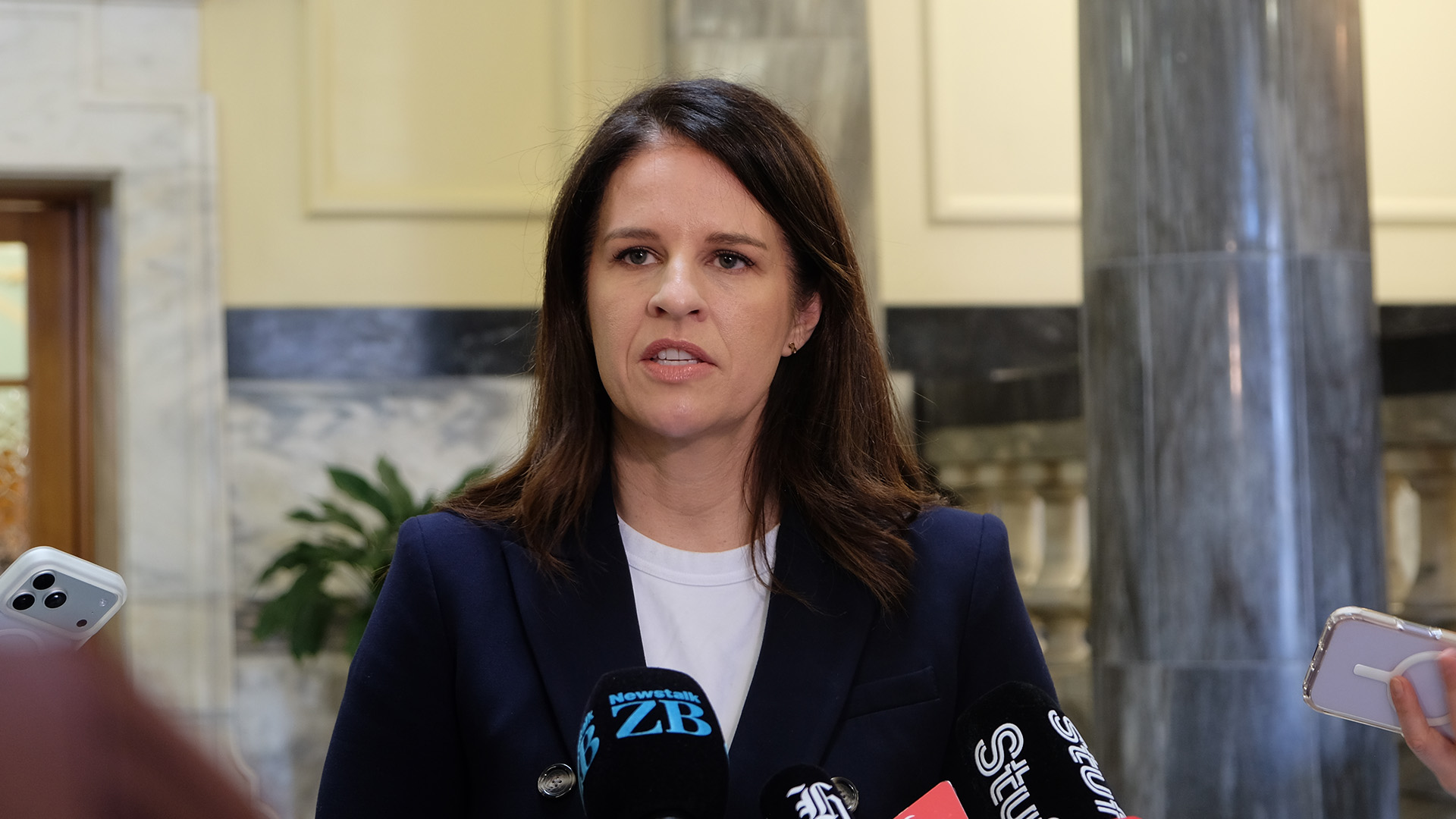
National’s Education spokesperson Erica Stanford said National would end screen and individual-device use in early childhood education centres and tightly limit screen and individual-device use in school years one to three.
"For our youngest children, we want greater emphasis on books, handwriting, conversation, hands-on activities and direct interaction with teachers and other children."
They also wanted to introduce "age-appropriate limits for older primary students".
'Keep Wellington out of farming'
ACT agriculture spokesperson Andrew Hoggard said he wanted his daughters, "if they choose farming, to have the freedom to farm well without the red tape I’ve faced for 20 years".
Part of the promise was to 'keep Wellington out of farming', which entailed the party fighting for; "National Policy Direction and National Standards that are clear, practical, locally responsive, and grounded in property rights", scrap Te Mana o te Wai and increase funding for rural catchment groups, "allow targeted grazing on suitable DOC land, and carry on the war against wilding pines".
NZ First and health
NZ First released its policy document on health on Sunday. Part of it included a comprehensive review of dietary guidelines, "reducing unnecessary bureaucracy" for GP clinics and to better acknowledge nurses with formal awards.
On mental health, it said that "nutrition should be the first intervention in the prevention and treatment of mental health issues because the brain, like any other organ, relies on a consistent supply of essential nutrients to function optimally".
"Many of the root causes of mental health issues chronic stress, poor sleep, inflammation, and gut dysbiosis are directly influenced by dietary habits. A poor diet high in ultra-processed foods, added sugars, and unhealthy fats can exacerbate these factors, while a balanced, anti-inflammatory diet can help restore physiological equilibrium."
We welcome your comments below. If you are not already registered, please register to comment
Remember we welcome robust, respectful and insightful debate. We don't welcome abusive or defamatory comments and will de-register those repeatedly making such comments. Our current comment policy is here.