
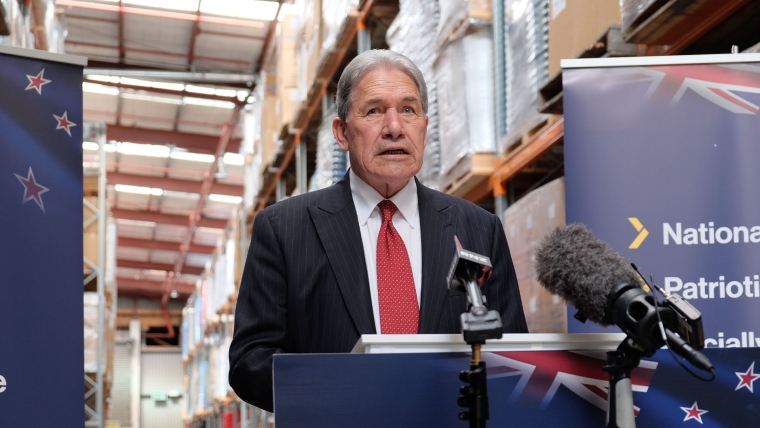
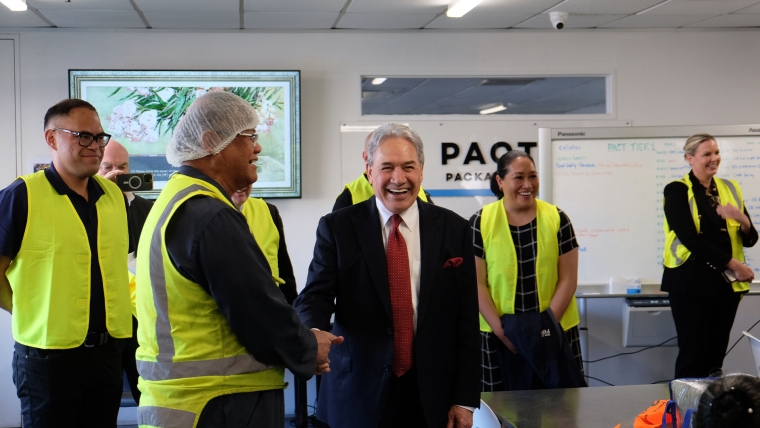
New Zealand First is promising to lift productivity by implementing a first-year 50% depreciation rate on new plant, machinery and equipment for businesses in the manufacturing and targeted export sectors like mining, aquaculture, forestry, farming and fishing.
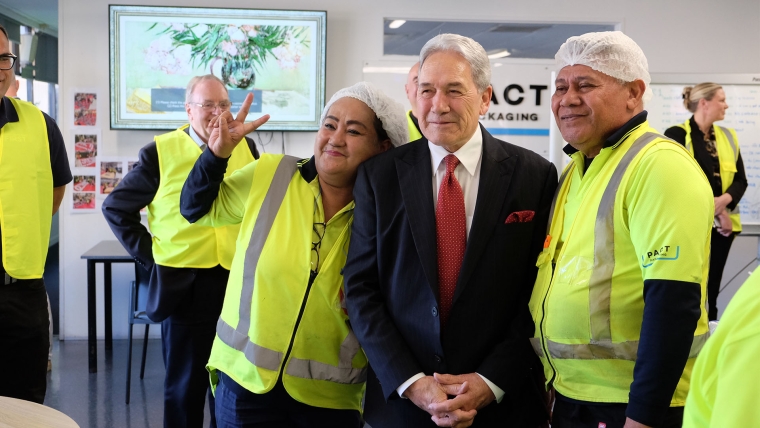
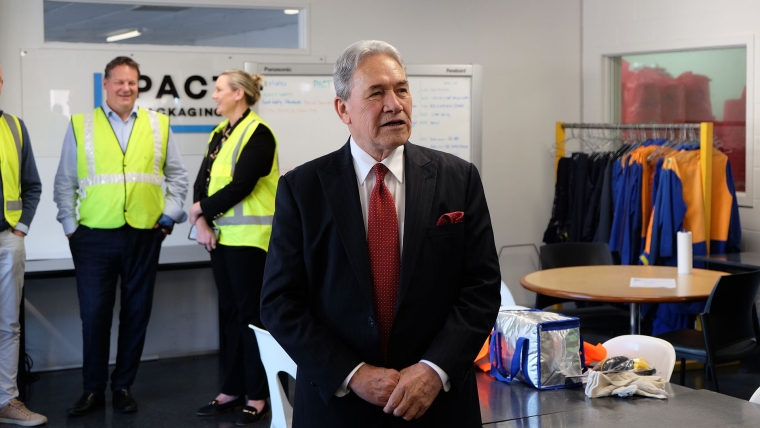
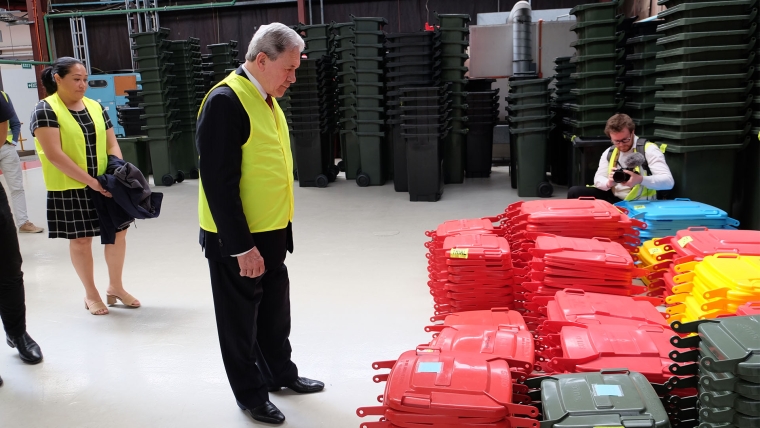
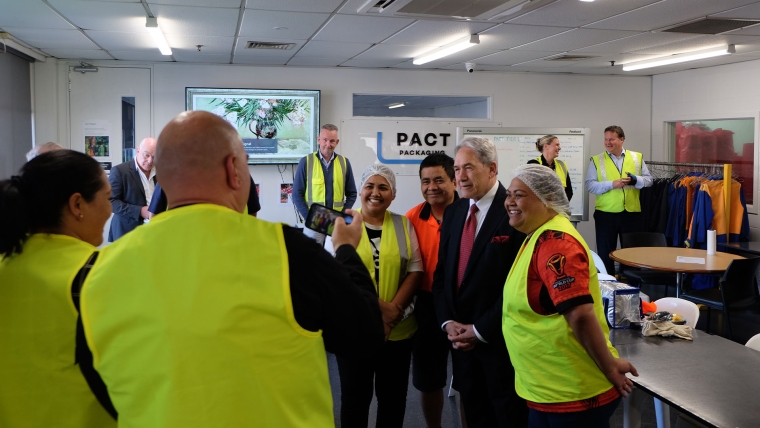
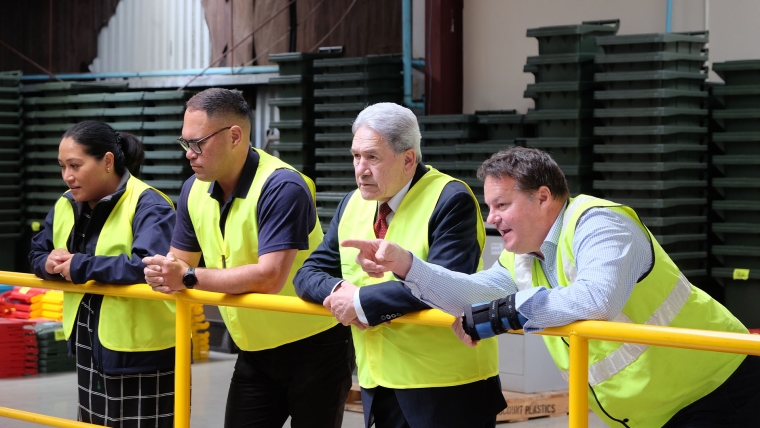
Making the announcement in Auckland’s East Tāmaki at Pact Packaging on Friday afternoon, NZ First leader Winston Peters said: “New Zealand’s weak productivity growth and insufficient business investment remain long-standing economic challenges.”
“Businesses need modern machinery, technology and equipment to increase output, reduce costs and compete internationally,” he said.
“New Zealand First will lift productivity by introducing a targeted accelerated depreciation rate of 50% in the first year for new plant, machinery and equipment for the manufacturing sector and targeted export sectors.”
When asked if NZ First’s proposal would sit alongside Investment Boost, Peters said: “Yes, but be far more impactful. Now they’ve got 50% in the first year. That’s huge.”
Investment Boost was the centrepiece of the coalition government's 2025 ‘Growth Budget’, offering a $1.7 billion annual tax incentive for investments in productivity-enhancing capital assets.
The policy allows businesses to immediately deduct 20% off the cost from their taxable income, and still claim depreciation on the remaining 80% over time. This effectively brings forward the tax benefit and lowers the cost of investment by shifting some of the risks and opportunity costs from firms to the Crown.
It aims to encourage earlier and larger investment in productive assets than would otherwise occur. Treasury estimated in 2025 it would increase gross domestic product by up to 0.5% over the next five years and would carry a gross fiscal cost of $6.6 billion over the forecast period.
Asked if the party had budgeted for the expansion, Peters said it would be an additional $2.4 billion in the 26/27 year, $2.5 billion in the 27/28 year, “at $1.9 [billion] because they’ll be updating by then, in the third year.”
With the proposal targeting specific sectors, Peters said these were areas that were based on wealth creation and exports.
“We've got to export, export, export, as we always have to."
He said it was about making sure New Zealand had a labour force that was working with the most modern equipment so they will be productive.
"Everything about this is going to work. And guess what? Other countries that lead the world in terms of export capacity per capita are doing exactly what we should have been doing a long, long time ago.”
Asked what the timeline would be to have this proposal implemented, he said it would happen at the next Budget.
Buying back BNZ and NZ First’s fiscal plan
“If you want to talk about a fiscal plan, for the governing parties, it was something we worked on from October last year. It’s called the ‘26 Budget. That’s our fiscal plan,” Peters said.
“All the amendments are coming out in our policy. It’s the other side that’s got to present their fiscal plan because they weren’t part of the Budget.”
Asked what he thought about the discussions around buying BNZ, Peters said: “You know why they’re hysterical about it? Because those people who sold the country out and sold our bank, when at the time, out of every 10 banking customers, six belonged to the BNZ, don’t want you to know about their past record.”
“The last thing they want to do is do something sensible like Singapore and other countries."
He said those countries had a national bank to take on the foreign-owned banks - "but not us".
"And $56 billion went out of the country in the last eight years and they don’t want to do anything. They, the rest of them, have got no plan at all for this country’s turnaround. We do.”
We welcome your comments below. If you are not already registered, please register to comment
Remember we welcome robust, respectful and insightful debate. We don't welcome abusive or defamatory comments and will de-register those repeatedly making such comments. Our current comment policy is here.