
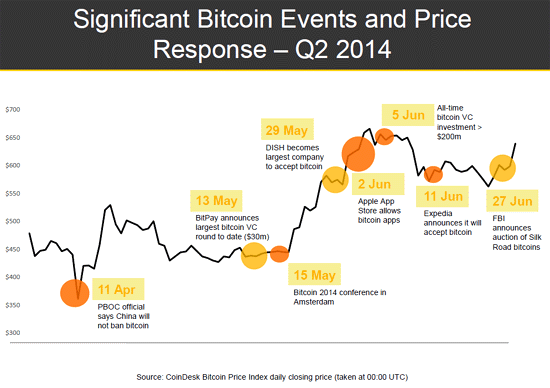
Bitcoin's price rose 39% in the three months to June 30, boosted by a seemingly stabilising regulatory situation in China, and interest from big name companies such as Expedia and Apple, according to a report on the virtual currency.
The State of Bitcoin Q2 2014 from CoinDesk takes a detailed look at the world of bitcoin. CoinDesk describes itself as an independent publisher covering news, prices and information on bitcoin and other digital currencies. The report acknowledges that although bitcoin's price rose 39% during the June quarter, it's still down 16% year-to-date.
The report comes with MyBitcoinSaver, which describes itself as the simplest way to acquire bitcoin, holding a New Zealand launch party on Friday, and the Australian-based igot.com, which says it's the number one digital currency platform in New Zealand based on trade volume, announcing US entrepreneur and co-founder of Tremor Video, Jesse Chenard, as a "major" investor and advisor.
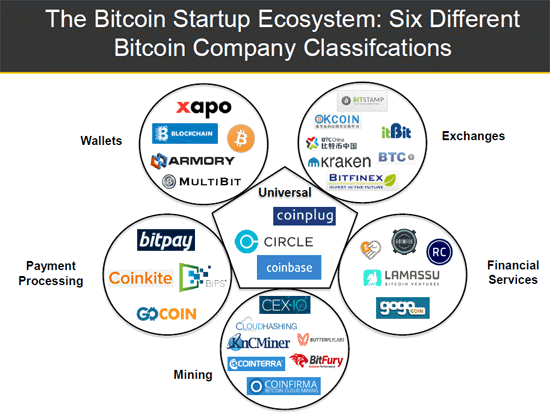
The CoinDesk report says US$240 million has now been invested in bitcoin startups since 2012, with US$150 million, or 63%, of this in 2014.
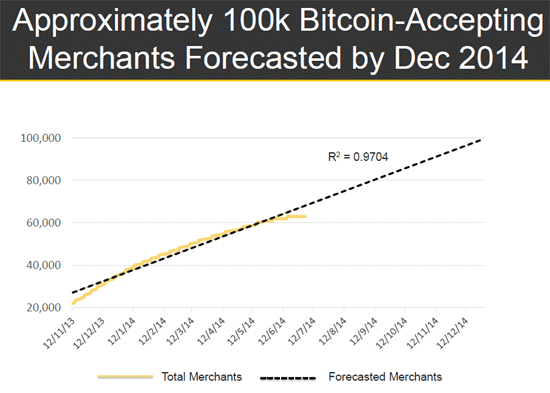
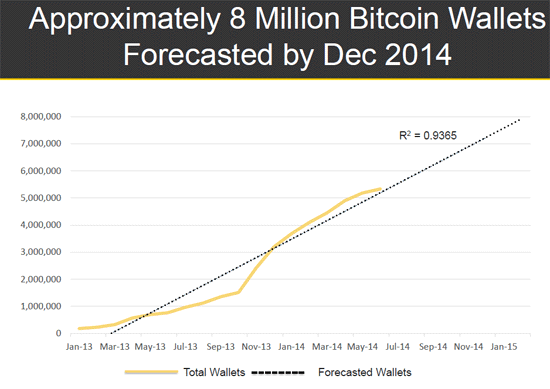
CoinDesk also notes about 63,000 businesses now accept bitcoin, and says there are 5.3 million bitcoin wallets, up from 765,039 a year earlier. It also points to the use of 136,152 unique bitcoin addresses used per day up from 41,271, and 48 venture capital based start-ups versus seven a year earlier.
On the regulatory front the report notes a May Reuters report on a task force of US state regulators working on the first bitcoin rule-book.
The report also notes there are now 250 bitcoin apps on Android and 340 iOS (Apple) apps. CoinDesk says bitcoin represents 93% of the total cryptocurrency market capitalisation (at US$8.3 billion), and cites the likes of bitcoin-linked debit cards and insured wallets as making the currency easier to be used and trusted.
CoinDesk also suggests bitcoin is 4,070 times cheaper on a US$200 transaction than a typical remittance transaction, based on World Bank remittance prices, at less than half a US cent versus US$16.28.
In a speech earlier this month Reserve Bank deputy governor and head of operations, Geoff Bascand, said low cost virtual currencies such as bitcoin could ultimately replace cash if key attributes of trust and anonymity can be reliably and sustainably attained.
Bascand's speech followed the Financial Action Task Force (FATF), an inter-governmental body established by the Group of Seven that sets policies and standards on anti-money laundering and combating terrorist financing, highlighted the money laundering and terrorism financing risks of virtual currencies. FATF did also say, however, that virtual currency has the potential to improve payment efficiency and reduce transaction costs for payments and fund transfers.
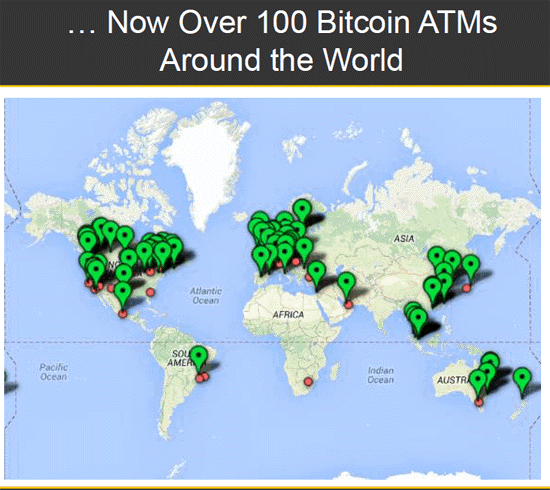
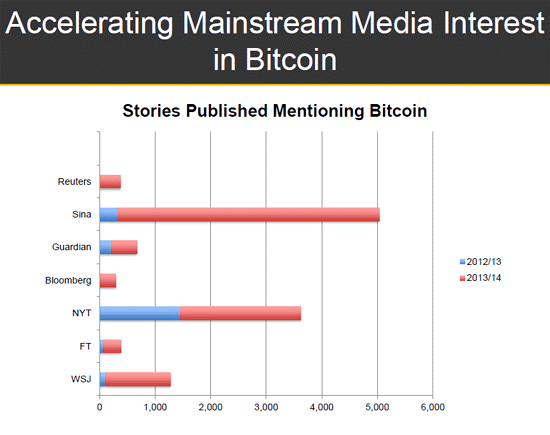
The charts below are taken from the CoinDesk report.
The full report can be viewed here.
This article was first published in our email for paying subscribers. See here for more details and to subscribe.
We welcome your comments below. If you are not already registered, please register to comment
Remember we welcome robust, respectful and insightful debate. We don't welcome abusive or defamatory comments and will de-register those repeatedly making such comments. Our current comment policy is here.