
Here's our summary of key economic events overnight that affect New Zealand, with news China is using the American election distraction to ramp up its pressure on Australia.
But first, China has turned in a very strong trade result in October. Exports came in much stronger (+11%) than the strong result anticipated (+9%). Imports came in much softer (+5%) than anticipated (+10%). That means their merchandise trade surplus swelled to +US$58 bln and far above the +US$37 bln surplus in September. The merchandise trade surplus with the US was a record high +US$31.4 bln. With New Zealand they ran a -US$160 mln deficit in the month, with Australia it was -US$4.9 bln deficit.
China is calling for a virtual summit to get the RCEP free trade agreement agreed before the end of the year. This is a big deal, one that will include Japan and South Korea along with New Zealand and Australia - but it won't include India anymore.
And China's heavy equipment and construction machinery manufacturers are posting boom-time results as the country's infrastructure splurge gets into full gear. In fact, Beijing may have overdone it and there is increasing talk of winding back stimulus programs that may not now be necessary.
And in a domestic update, it appears that their crackdown on the P2P sector has seen it shrink it from more than 6000 platforms, to only three now. The shrinkage has left NZ$170 bln in unpaid debt and claims. It has been a wild-west tale of fraud, abuse and corruption.
China's wolf-warrior diplomacy is ramping up against Australia. An editorial in a CCP newspaper says "Australia will pay tremendously for its misjudgment" by staying aligned to the US, and daring to criticise China for its security adventures and human rights abuses. Wheat farmers seem to be the next to suffer trade exclusions - and being part of the RCEP is unlikely to deter China when it is this revenge mood.
Meanwhile the American election result sets up a three month period sure to be marked with the outgoing President settling scores with perceived enemies, and pardoning allies. It may also mean the US won't get any major stimulus as the outgoing Administration attempts to leave a scorched-earth problem for the new Administration to deal with.
Internationally, the 'hope' is that the US will return as an active and constructive participant in multilateral agreements. But nothing is sure at this point. A Biden presidency may calm things, but won't cure any imbalances automatically. Too much damage has already been done.
Domestically, US consumer credit growth bounced back in September after an unusual dip in August. That took the September level back to the same as in March 2020, so there isn't really any material rise.
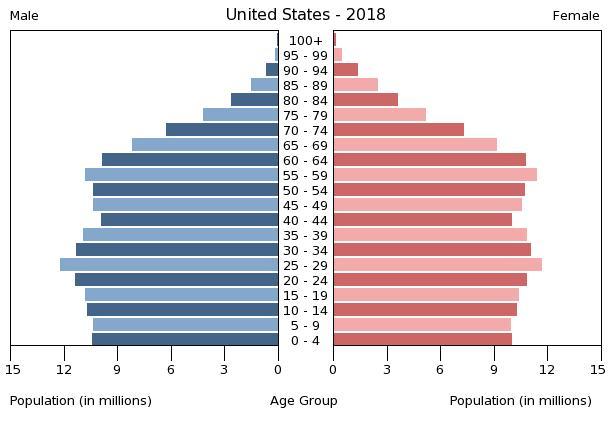
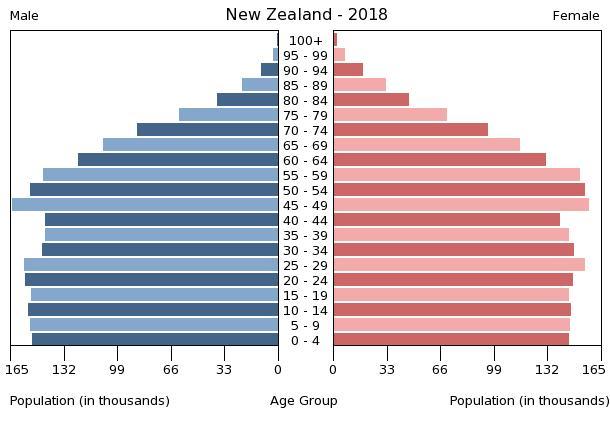
And staying in the US, October non-farm payrolls rose by +638,000 and marginally more than expected. But as we have previously noted that still leaves the net loss since February at -10 mln jobs. It is an October result that was inhibited by the end of a large number of Census-counting jobs (-147,000), ones that weren't permanent in the first place. Of the growth they did get, the weakest was in manufacturing. The current unemployment rate is 6.9% and the number of long-term unemployed (those jobless for 27 weeks or more) increased by a massive +1.2 mln to 3.6 mln, accounting for about a third of the total unemployed. There are increasing numbers of people out of the workforce - the employment-to-population ratio dropped to 57.7%, down from 61.2% a year ago. The New Zealand equivalent is currently 66.3%. If the US had the New Zealand ratio, a massive +23 mln more people would be employed there.
Canada also released jobs data for October overnight and they slipped backwards marginally with lower than expected jobs growth and a slightly higher unemployment rate of 8.9%. Canada's employment-to-population ratio is 59.4%.
The latest global compilation of COVID-19 data is here. The global tally is 50,052,000 and a sharp +1,105,000 rise in the past two days. It is still very grim in Russia and Western Europe with serious stress on their hospital systems. Global deaths reported now exceed 1,253,000 and up +16,000 in just two days.
The largest number of reported cases globally are still in the US, which rose a very worrying +252,000 since Saturday to 10,197,000 as the momentum in their surge rises and the US returns as the epicenter of the virus. The US is recording daily record highs now. The pandemic is now particularly sever in Midwest states. The number of active cases is surging at 3,511,000 so many more new cases more than recoveries. Their death total now exceeds 243,000 and continuing to rise by more than +1000 a day.
In Australia, they are not getting any resurgence. There have now been 27,658 COVID-19 cases reported, and that is just +13 more cases than we reported on Saturday. Reported deaths remain unchanged at 907.
The UST 10yr yield will start the week unchanged at 0.82%. Their 2-10 rate curve is still at +67 bps, their 1-5 curve is also stable at +24 bps, while with their 3m-10 year curve is holding at +73 bps. The Australian Govt 10 year yield will start today down -1 bp at 0.79%. The China Govt 10 year yield is also unchanged at 3.22%. And the New Zealand Govt 10 year yield is still at 0.57%.
The price of gold has slipped slightly, down by -US$4 from Saturday morning to US$1950/oz but it does cement in a big gain over the past week.
Oil prices have stayed low over the weekend and are still at just on US$37.50/bbl in the US, while the international price is now just over US$39.50/bbl.
And the Kiwi dollar is little-changed this morning at 67.7 USc and embedding in last week's sharp rise. Against the Australian dollar we are also little-changed at 93.2 AUc. Against the euro we a tad softer at 57 euro cents. That means our TWI-5 will start the week at 70.4.
The bitcoin price starts today at US$15,408 and only -0.7% lower than where we left it. But it has been quite volatile in between. The bitcoin rate is charted in the exchange rate set below.

The easiest place to stay up with event risk today is by following our Economic Calendar here ».
We welcome your comments below. If you are not already registered, please register to comment
Remember we welcome robust, respectful and insightful debate. We don't welcome abusive or defamatory comments and will de-register those repeatedly making such comments. Our current comment policy is here.