
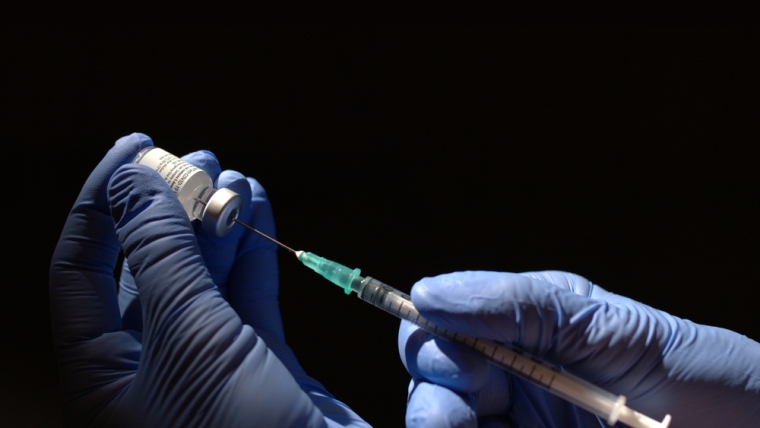
Medsafe has provisionally approved the Pfizer/BioNTech vaccine to be used in New Zealand once it arrives in the country.
Provisional approval means the pharmaceutical company must meet certain conditions as the vaccine is being rolled out.
Fifty-two of the conditions Medsafe put on the approval relate to requiring additional manufacturing data from the company, for instance as it upscales its manufacturing.
A further six conditions relate to additional clinical information, such as regular updates from clinical trials, and ensuring it receives any information on safety concerns from around the world.
Provisional approval is not uncommon. The annual influenza vaccine is given provisional approval.
Director-General of Health Ashley Bloomfield said, “Medsafe began assessing the clinical data provided by Pfizer/BioNTech in November, working over weekends and through the Christmas break.
“The data was provided on a rolling basis, which streamlined the assessment process and enabled a timely approval without compromising the rigour of the review of the vaccine.
“I want to reinforce that this has been a carefully considered decision every step of the way. It’s only been made after following the vigorous assessment processes which are an integral part of all New Zealand’s decision-making around medicines.”
Medsafe’s provisional approval doesn’t change the timeline around when vaccinations will begin.
The Government expects the first batch of the vaccine to arrive in New Zealand by the end of March.
“But we are making sure everything is in place in case there is an earlier arrival,” COVID-19 Response Minister Chris Hipkins said.
Two to three weeks will then be spent vaccinating border workers and the people they live with.
“People such as cleaners, the nurses who undertake health checks in MIQ, security staff, customs and border officials, airline staff and hotel workers will be among the first to get the vaccine,” Prime Minister Jacinda Ardern said.
The broader community will start accessing the vaccine from the “second half of the year”.
Providing more information on the decision, Medsafe Group Manager Chris James said, “Medsafe needed to be assured the vaccine would be safe and effective for use in a New Zealand setting, and that it was of a high quality.
“There are three key aspects assessed: the effectiveness of the vaccine, the safety data (both determined by clinical study results), and finally manufacturing data.
“All the data is considered and we then complete a benefit risk assessment, which allows us to balance the benefits of the vaccine against any known risks such as side effects. We have determined there may be some minor side effects such as a painful arm and headaches – these are not uncommon in other vaccines.
“We have also wanted to ensure the company can manufacture the vaccine to a high quality, and that all batches are consistent.
“Medsafe’s assessment went to the Medicines Assessment Advisory Committee (MAAC) yesterday (2.2.21) for its review, so the committee could provide Medsafe with advice and recommendations. The MAAC is made up of a range of industry experts from around New Zealand, and it met for six hours to help Medsafe come to a decision.”
National's COVID-Response spokesperson Chris Bishop tweeted a few questions for the Government: "Why are we not front of the queue like government said? What does contract say about delivery? When does it get here?"
We welcome your comments below. If you are not already registered, please register to comment
Remember we welcome robust, respectful and insightful debate. We don't welcome abusive or defamatory comments and will de-register those repeatedly making such comments. Our current comment policy is here.