
Here's our summary of key events overnight that affect New Zealand, with news the world's economy is expanding more quickly.
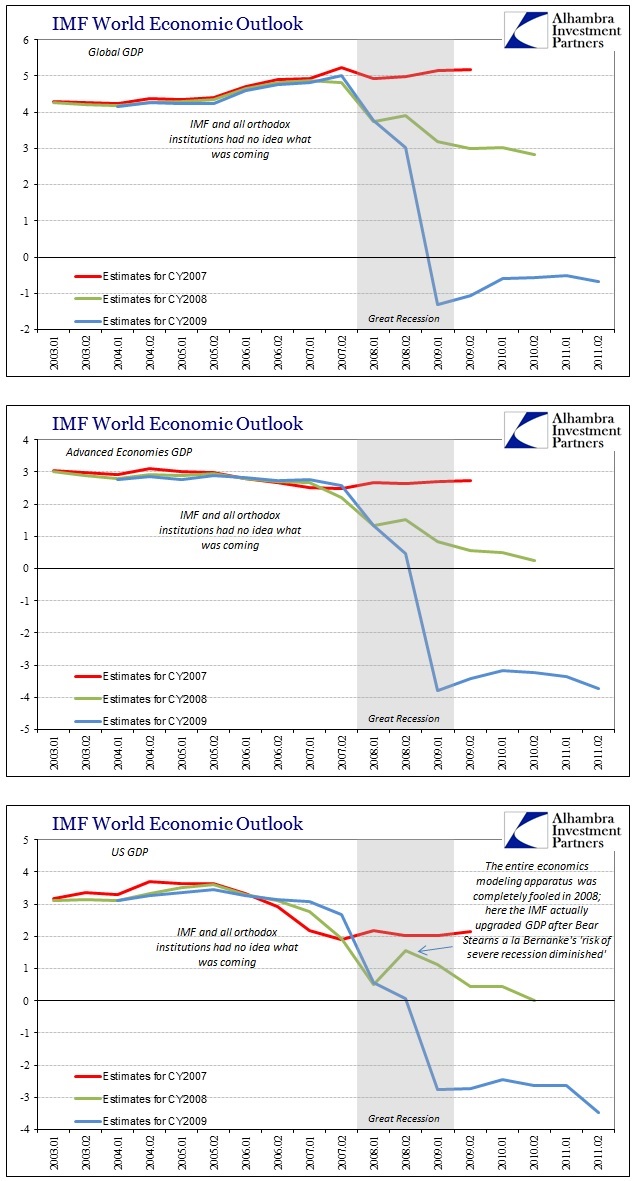
The IMF has released an optimistic review of the world economy. (Someone should give a copy to Winston Peters.) They are forecasting global growth will expand by +3.9% in 2018 and 2019, up from +3.7% in 2017. And the benefits are widespread; the report says 120 economies accounting for three-quarters of global economic activity saw a pick-up last year. Both developed and emerging economies were affected. China is now expected to grow by +6.6% this year, a rise in their forecast. That extends the world growth run to nine years and it seems to be picking up speed. (But, of course, just like every other IMF forecast, they "warn" that it won't last.)
In Washington, Congressional leaders have reached a deal to pass their Budget and re-open the Federal Government. But it is only a short-term patch-up, lasting until February 8. Nothing really has been resolved on the key contentious issues. Votes in the Senate, and then the House must confirm the deal.
And key NAFTA talks are about to begin today. The United States, Canada and Mexico are trying to settle major differences over revamping a pact that the US President has threatened to abandon. Most observers expect the Treaty to survive with few changes but the talks (and tweets) have the negotiators in Montreal starting out in a negative mood.
In New York, prosecutors have charged six people with conspiring to defraud regulators by using confidential information from the Public Accounting Oversight Board to avoid negative findings against accounting firm KPMG.
In China, Beijing saw its population drop for the first time in seventeen years. The number of permanent residents in the Chinese capital, including migrants who had lived in Beijing for at least six months, fell by -22,000 to 21.7 mln, according to the city's statistics bureau.
In Australia, a new report by EY says existing under-utilised supply of housing stock could meet the forecast demand for new homes for the next five years. They say there are 600,000 'unused' bedrooms, equivalent to almost 200,000 unused dwellings. They recommend removing stamp duty as one way to allow less expensive transitions for people in property. The claim is that stamp duty works as a disincentive for people to downsize when they should.
The UST 10yr yield is still at 2.66%, still near its four year high. It may get buffeted around by the Congressional votes today. The equivalent 10yr China sovereign bond is up another +1 bp to 4.07%. The equivalent NZ 10yr sovereign bond is holding at 3.00%.
Oil prices are little changed at just over US$63 a barrel, while the Brent benchmark is now over US$68.50.
Gold is also unchanged at US$1,332/oz.
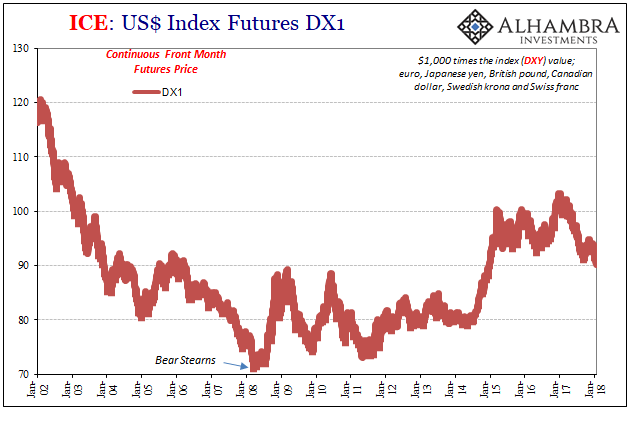
But the Kiwi dollar is firmer, now at 73.1 USc. On the cross rates it is at 91 AUc, and against the euro at 59.7 euro cents. That puts the TWI-5 at 74.4. We should also note that the Chinese yuan is at a 2 year high against the greenbback, but against the NZ dollar it is nothing special, a level we have been generally at for almost ten years.
Bitcoin is down today, now at US$10,650 and that is the lowest level since the end of November. That is a loss of -US$690 over the past 24 hours, or -6.1%.

The easiest place to stay up with event risk today is by following our Economic Calendar here ».
We welcome your comments below. If you are not already registered, please register to comment
Remember we welcome robust, respectful and insightful debate. We don't welcome abusive or defamatory comments and will de-register those repeatedly making such comments. Our current comment policy is here.