
Acting Foreign Affairs Minister David Parker has confirmed Cabinet will on Monday consider a proposal for legislation to be passed to enable New Zealand to impose sanctions on Russia.
Parties from across the political spectrum have been calling on the Government to urgently do more to boycott Russia as it invades Ukraine.
It isn’t yet clear how long it will take for a Russian sanctions bill to be passed.
Parker, during question time in parliament on Wednesday, said National's Foreign Affairs spokesperson Gerry Brownlee would be briefed on the proposed bill on Friday.
Prime Minister Jacinda Ardern on Tuesday, said, “New Zealand has not yet reached the extent of the measures we will take to condemn the recent unprovoked and unjustified invasion of Ukraine by Russia.
“We will continue to look at measures to condemn this act of war, including measures to target Russian finances. To this effect, after exploring the role our Overseas Investment Office and Overseas Investment Act could play in further restricting incoming investment, we have subsequently sought advice on a specific Russian sanctions bill.
“We expect to engage with other parties on this course of action shortly.”
Ardern noted New Zealand has already imposed targeted travel bans against Russian Government officials and other individuals associated with the invasion of Ukraine, prohibited the export of goods to Russian military and security forces, and suspended bilateral foreign ministry consultations until further notice.
Furthermore, New Zealand has contributed “an initial” $2 million to humanitarian aid to support those in Ukraine.
NZ supports emergency release of oil reserves to curb soaring prices
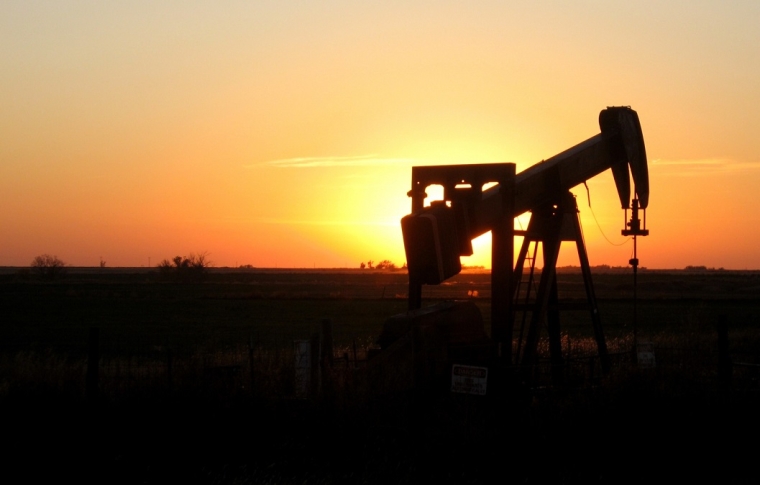
The latest measure New Zealand has taken in response to the invasion in join other members of the International Energy Agency (IEA) governing board in agreeing to release emergency oil reserves to “send a strong and unified message to global oil markets that there will be no shortfall in supplies as a result of Russia’s invasion of Ukraine”.
Energy and Resources Minister Megan Woods partake in the board’s decision-making as oil prices reached an eight-year high.
The IEA said, “The Ministers noted that Russia’s invasion comes against a backdrop of already tight global oil markets, heightened price volatility, commercial inventories that are at their lowest level since 2014, and a limited ability of producers to provide additional supply in the short term…
“The situation in energy markets is very serious and demands our full attention. Global energy security is under threat, putting the world economy at risk during a fragile stage of the recovery.”
Members of the IEA are required to hold stocks equivalent to at least 90 days of net oil imports. New Zealand buys emergency reserve stocks that are held offshore.
This is only the fourth time the IEA, which was created in 1974, has released emergency stockpiles. The last time it did so was in 2011 in response to the Libyan crisis.
The 60 million barrels of oil it is releasing makes up 4% of its stockpiles.
The IEA said, “Russia plays an outsized role on global energy markets. It is the world’s third largest oil producer and the largest exporter. Its exports of about 5 million barrels a day of crude oil represent roughly 12% of global trade – and its approximately 2.85 million barrels a day of petroleum products represent around 15% of global refined product trade. Around 60% of Russia’s oil exports go to Europe and another 20% to China.”
We welcome your comments below. If you are not already registered, please register to comment
Remember we welcome robust, respectful and insightful debate. We don't welcome abusive or defamatory comments and will de-register those repeatedly making such comments. Our current comment policy is here.