
Several big projects and a huge increase in spending have been unveiled in the draft Government Policy Statement (GPS) on land transport.
These projects would be partly funded by a 12 cent increase to the fuel tax, which would be gradually brought in over the next three years.
The policy statement looks 10 years into the future and envisages spending worth $70 billion over that time.
But actual costings are done for the next three years, from 2024 to 2027.
The price here is $20.8 billion, which is an increase of $5.3 billion, or 34%.
"This is the highest level of expenditure by any Government,” the Prime Minister Chris Hipkins says.
One of the biggest changes in the new GPS is a huge boost to the maintenance fund for existing infrastructure. A massive increase of 41% is proposed.
The Transport Minister David Parker says the Government needs to make up for maintenance, which levelled off when the previous National Government diverted money to its Roads of National Significance project.
He says maintenance suffered further during the Covid crisis.
Besides maintenance, the draft GPS lists a number of projects that "present an opportunity for transformational change."
It says deciding on actually funding their construction is up to Waka Kotahi, but it expects their "strategic importance will be given particular consideration" when the agency reaches its verdict.
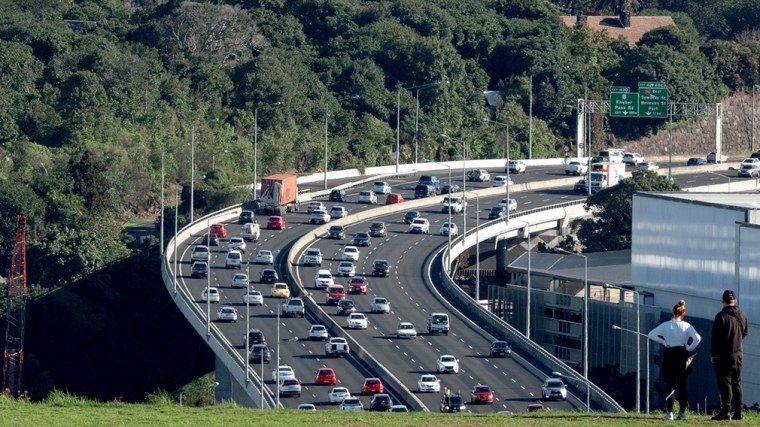
They include a busway along Auckland's North West Motorway to replicate the one along the Northern Motorway, along with major rail projects in Auckland.
Other ideas include a series of improvements to State Highway One North of Auckland, including a road around the Brynderwyns, The existing road has been hard hit by this year's extreme weather.
Other projects identified in the GPS include making the expressway between Napier and Hastings into a four lane road. This two-lane road currently experiences a large number of crashes.
A similar idea would extend the expressway south of Cambridge to Piarere. Also on the list are improvements to State Highway One near Ashburton, and State Highway Six near Nelson.
The GPS would be funded in part by higher petrol taxes.
The increase in the first year is proposed to be split into an initial two cents increase, with another two cents six months later. This would be followed by a four-cent annual increase in 2025 and again in 2026 – a total increase of 12 cents over three years.
Road user charges would go up by an amount equivalent to the rise in petrol taxes.
The Government says it is fair enough for road users to pay for the costs of the highways they drive on.
It adds the impact of the extra excise tax would be small compared with the up-and-down movement of petrol prices which happens regularly.
In addition to higher road taxes, there would be direct transfers from the Crown to the National Land Transport Fund of $1.5 billion of capital and $900 million of operating funding. There would also be state loans to Waka Kotahi.
The programme would also benefit by about $100 million a year from dedicating money from infringements such as speed camera fines to the National Land Transport Fund.
Parker adds a range of public transport measures are important because "people accept that you cannot build your way out of traffic congestion."
“This funding targets spending where it’s needed most: reducing congestion and emissions, boosting productivity and improving the resilience of our transport network," he says.
“The significant increase in funding for land transport responds to demand across New Zealand to fix our cyclone-damaged roads, build new roads and improve public transport choices.
"This Government agrees that this investment is essential – but it has to be paid for," says Parker.
By contrast, he says the National and Act Parties have issued a "wish list" for transport projects they like, rather than developing a carefully funded programme.
We welcome your comments below. If you are not already registered, please register to comment
Remember we welcome robust, respectful and insightful debate. We don't welcome abusive or defamatory comments and will de-register those repeatedly making such comments. Our current comment policy is here.