

On the cusp of Waitangi Day, in an election year, our political leaders are offering us 1990s nostalgia and middle management spreadsheets.
Canadian Prime Minister Mark Carney stood at Davos and stated clear as day: “We are in the midst of a rupture, not a transition.” The rules-based order is dead. Middle powers must stop performing the fiction of shared values and start building coalitions based on strategic interests, not pretended consensus.
Meanwhile, in New Zealand, Prime Minister Christopher Luxon delivered a State of the Nation speech that reads like a mediocre report from a middle manager at TradeMe. Chris Hipkins responded with an op-ed offering 1990s fictional political nostalgia about shared values. The gap between what Carney described and what Hipkins and Luxon are saying is dangerously wide. We're about to elect leaders who don't understand the world they're governing in.
So what’s the problem exactly?
Why does this gap between what Carney said and what Luxon and Hipkins are saying matter?
Because we're on the cusp of an election year where our political leaders are so far off the political mark, they can't possibly course correct in time. Carney is describing the world as it actually is: fractured, competitive, where middle powers must build strategic coalitions without the fiction of shared values. Luxon and Hipkins are describing a world that no longer exists: one where fiscal discipline and appeals to unity can substitute for the hard work of governing a deeply divided society. This shows how utterly underwhelming and underqualified our political leaders are. They fundamentally do not understand the political reality they’re operating in. And it’s dangerous.
The real threat isn’t misinformation or polarization or institutional collapse. The real threat is oversimplification: political leaders who govern as if New Zealand still has shared values when we demonstrably do not, or as if we’re a team of business analysts who salivate over surplus and economic stats. Luxon delivered a State of the Nation so focused on management jargon it barely acknowledges we exist as a society. Hipkins responded by calling it “management speak mumbo jumbo”, he’s right, but then immediately pivoted to his own platitudes about shared values and unity. Both men are campaigning to lead a country that does not exist.
Our diversity creates unresolvable tensions
We have not managed to reckon with how diversity is not a romantic notion, inherently good or better. We speak over 30 languages, hold fundamentally different views about the role of government, the role of Te Tiriti o Waitangi, the meaning of fairness, and who is responsible for what. Meanwhile, AI is kicking our ass. It's accelerating the collapse of any shared reality we might have had left. Tribal ideals, algorithmic echo chambers, the fragmentation of information sources. And our universities, our government, our political institutions are totally asleep at the wheel. There's this weird hope that these shifts are optional or temporary. They're not. Its embarrassing.
We are a society of competing values, and continuing to pretend we can govern through appeals to manaakitanga or fiscal discipline demonstrates acute political incompetence. It’s hard to believe we are so far behind what is happening. Recognizing we don't have shared values is the only honest starting point for building the institutional capacity to actually govern the country we are, not the one we nostalgically imagine.
Social cohesion is not a utopian vision of a united society singing the same songs and believing the same things. What social cohesion actually requires is something far more difficult and far more necessary: the capacity to live together despite profound disagreement, to govern ourselves without demanding that everyone share the same values or vision of the good life. This is the only honest foundation for politics in our current complex context.
Hipkins’ “shared values” rhetoric belongs in the 1990s. It’s the language of Third Way globalization, when liberal democracies could still pretend consensus was achievable and that diversity was the Holy Grail. We romanticized diversity to defend globalization, whilst never building the governance structures to manage the tensions that diversity inevitably creates. Now we’re running out of time, and our leaders are still talking as if appeals to manaakitanga will paper over the fact that we can’t agree on what manaakitanga even means.
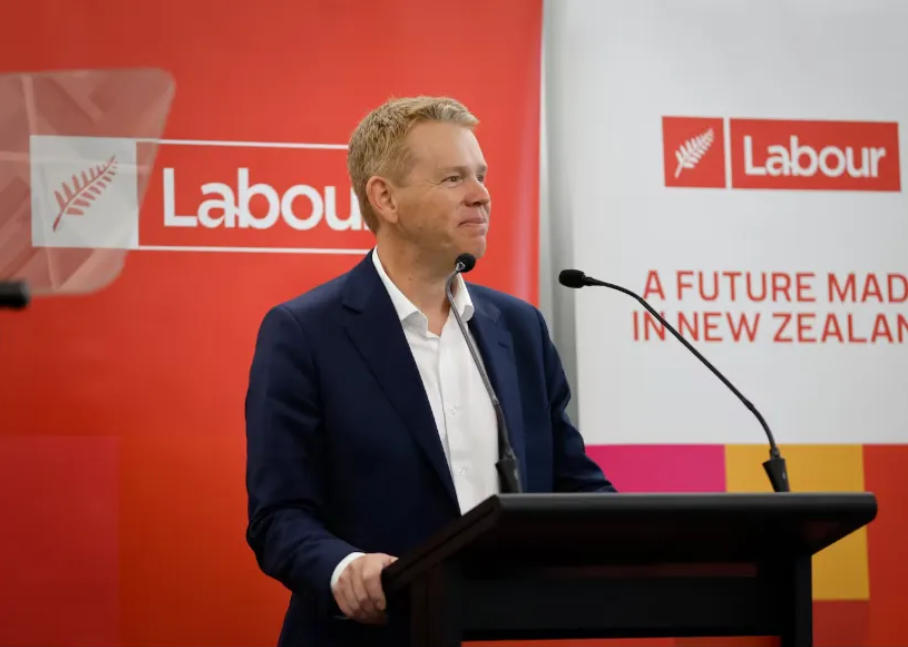
Hipkins and Luxon's visions are useless in 2026
Neither tells us what kind of country we're building or how we navigate the technological and geopolitical fractures reshaping liberal democracies globally. Luxon thinks he's managing a BestBuy. Hipkins thinks he's starring in a 1990s political drama. Both are performing a version of politics that no longer exists. So what would leadership that actually understands this moment look like? What does it mean to govern a society that can't agree on what's real, let alone what's right?
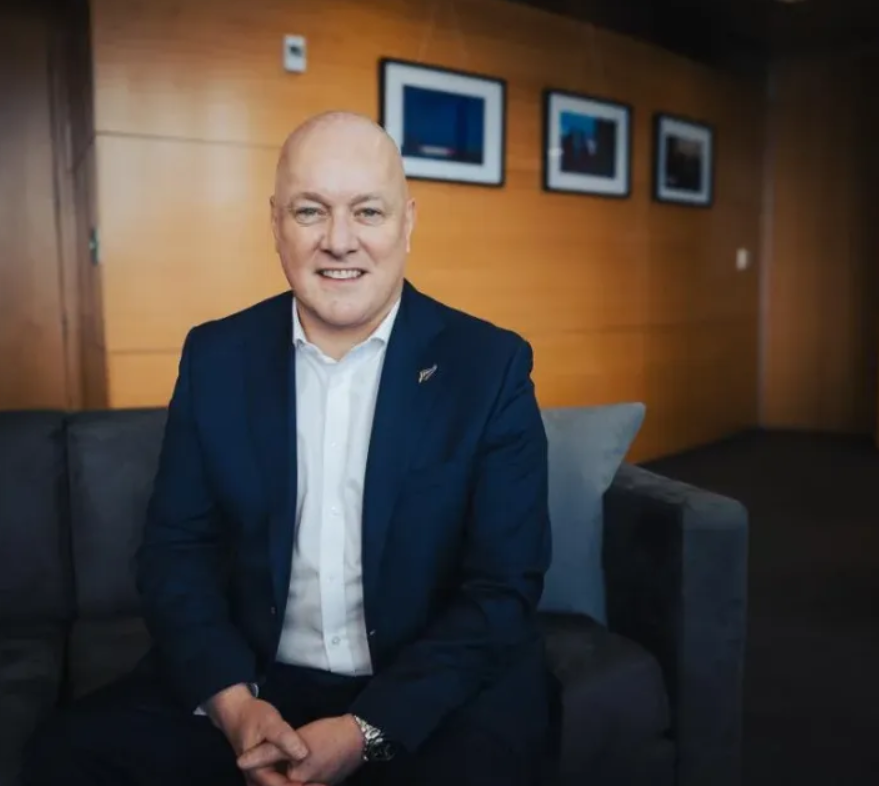
What complexity-aware leadership actually looks like
Carney understands what Luxon and Hipkins refuse to see: we're in a rupture, not a transition. The old ways of doing politics do not work anymore. He told world leaders at Davos, “Stop invoking the rules-based international order as though it still functions as advertised. Call it what it is: a system of intensifying great power rivalry, where the most powerful pursue their interests using economic integration as coercion.” He’s saying: stop pretending. Name reality. Build new coalitions based on strategic interests, not shared values, because we don’t have them anymore.
Carney calls this “value-based realism”: being principled about core commitments like sovereignty, territorial integrity, and human rights, while being pragmatic about the fact that interests diverge and not every partner will share your values. He’s talking about variable geometry coalitions: different groups for different issues, based on common interests rather than pretending we all agree on first principles. He’s saying middle powers must stop performing the fiction of unity and start building the capacity to manage conflict.
It’s being honest about social tensions, about building coalitions issue by issue rather than demanding consensus. It names the trade-offs rather than pretending every policy is win-win. And critically, it accepts that governing diverse, polarized societies requires institutions designed to manage conflict, not suppress it.
Neither Luxon nor Hipkins are operating at this level. They’re not even close. Carney is grappling with systemic rupture and governance paradigms. Luxon is tweaking economic settings. Hipkins is appealing to abstract values. The altitude difference is staggering, and it matters because we’re about to elect one of them to lead us through this.
We’re not choosing between center-right economic management and center-left appeals to unity anymore. We’re choosing whether to have leaders who understand the world we’re actually living in. A world where liberal democracies are fracturing under the weight of value pluralism they can’t manage. A world where AI is totally kicking our ass, and universities and government are not coping. A world where domestic diversity has created unresolvable tensions. And no amount of rhetorical appeals to kotahitanga will change that.
Our leaders are still talking about shared values and fiscal responsibility while the ground shifts beneath them. They're governing like it's 2015 when everything has changed. They're offering us nostalgia and spreadsheets when what we need is leaders with the political horsepower to admit we don't agree, the institutional capacity to manage that disagreement, and the strategic vision to navigate a world that operates in an endless political storm.
On the cusp of Waitangi Day…
…a day that should force us to reckon with whose values shape this country and how we govern when we can’t agree, we’re getting management speak from one leader and unity rhetoric from another. Neither is prepared for the complexity that politics actually demands. Neither understands that social cohesion in a diverse democracy isn’t built on shared values. It’s built on the capacity to live together despite profound disagreement, to negotiate competing interests transparently, to build institutions that manage conflict rather than suppress it.
This is what governing without consensus requires. This is what our political leaders should be talking about. And the fact that they’re not, the fact that they’re still performing the fiction that Carney is telling the world to abandon, should terrify us. We’re running out of time to build the governance capacity we need.
*Natalia Albert is a PhD student at Victoria University, has previously worked in the public sector and is a former deputy leader of The Opportunities Party. This article first appeared here on Albert's Substack, and is used with her permission.
We welcome your comments below. If you are not already registered, please register to comment
Remember we welcome robust, respectful and insightful debate. We don't welcome abusive or defamatory comments and will de-register those repeatedly making such comments. Our current comment policy is here.