
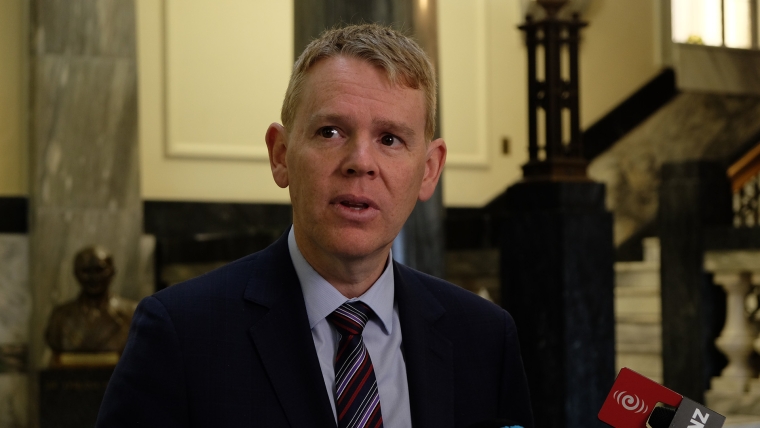
Labour won't make changes to the interest deductibility rules for landlords if it's elected to government in November's election, party leader Chris Hipkins says.
Speaking to reporters on Monday afternoon, Hipkins said: “When we introduced the Capital Gains Tax policy, we did foreshadow at the time that that would have an influence on what we would do around interest deductibility.”
In October 2025, Labour agreed to campaign on a 28% capital gains tax on residential and commercial property. This would be used to fund three visits to a general practitioner doctor for each New Zealander each year.
“Landlords will ultimately be subjected to a capital gains tax when they sell their investment properties,” he said.
If changes were made to interest deductibility, then it could potentially change the capital gains tax settings, Hipkins said.
“So there is an inter-relationship between those two policies, which was the thing we said we were going to work through. We’ve now worked through that and we’re not going to make further changes.”
Asked if there would be any other changes related to residential property investors or if the capital gains tax is where it stops, Hipkins said: “That’s where it stops.”
In 2024, the coalition government brought back interest deductibility on residential investment properties for landlords. A 2024 Treasury document suggested that restoring interest deductibility would reduce tax revenue by $2.9 billion over a forecast period to 2027/2028.
India FTA
Also announced on Monday afternoon was the ratification of the India Free Trade Agreement, which is set to be in force on October 20.
Prime Minister Christopher Luxon told reporters at his last post-Cabinet press conference for the parliamentary term that he was proud of what he and Trade and Investment Minister Todd McClay had achieved with their counterparts, Indian Prime Minister Sri Narendra Modi and Minister of Commerce and Industry Piyush Goyal.
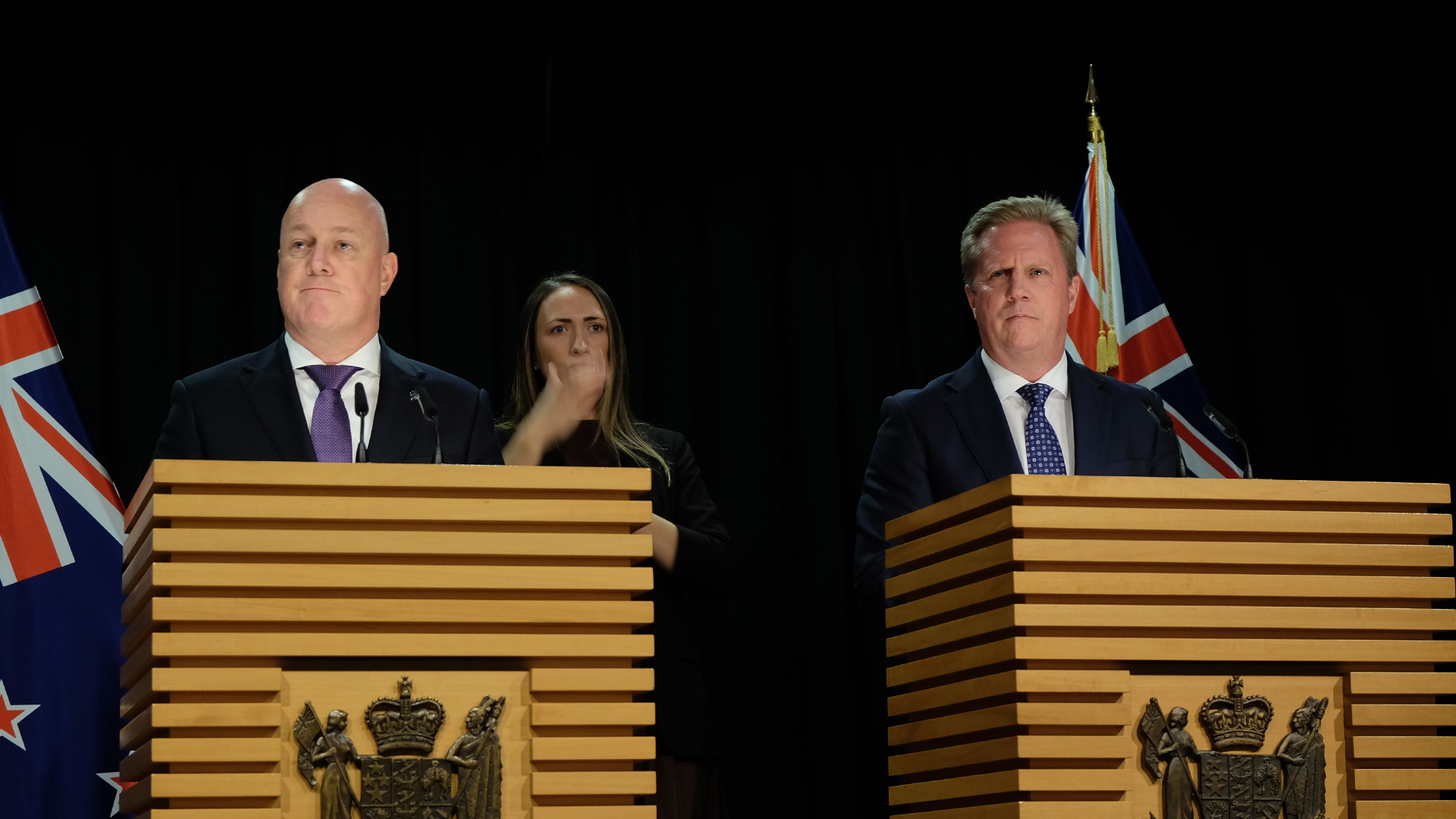
Luxon said while the India Free Trade Agreement was about markets, it was also about partnership with both countries bringing “complementary strengths.”
“New Zealand brings expertise in food production, education, tourism, scientific innovation, and technology. India brings scale, innovation, industrial strength, ambition, and strategic weight,” he said.
Meanwhile Trade Minister Todd McClay said the trade benefits are substantial.
He said the agreement restores NZ’s competitiveness against Australia and the United Kingdom in that market and "puts our exporters back on a level playing field."
“With the agreement entering into force this year, it means tariff elimination, reduction, and quotas start on the 1st of January for our exporters. Those tariff rates will come down further, and the quotas will increase for the next year,” McClay said.
McClay said he thought over time, the agreement would improve and increase.
‘You have to fight for trade’
Asked for his reflections on trade, Luxon said we were seeing big shifts in geopolitics.
This included moving from a rules-based system to a power-based system, the merging of trade, defence and security conversations into one rather than separate discussions.
“You have to fight for trade. It’s not something … easy to come by these days and you have to go out with that mindset that we’re going out there to win.”
“Trade is not something you get anymore, you actually have to fight for it because it’s not a given.”
We welcome your comments below. If you are not already registered, please register to comment
Remember we welcome robust, respectful and insightful debate. We don't welcome abusive or defamatory comments and will de-register those repeatedly making such comments. Our current comment policy is here.