
Opportunity Party leader Qiulae Wong intends to speak to the party with the most seats first - which is currently National on 42 - when looking to form a government, instead of negotiating with both the left and the right blocs at the same time.
"I think New Zealanders have felt really left in the dark in previous elections because of that playing off each side against each other. We would like to engage with one party first and have good faith negotiations," Wong told media on Monday.
"If we feel like that's not getting anywhere, or it's becoming very apparent that we won't come to any agreement, then we will go talk to the second largest party."
Opportunity came in with 5.96% of the vote in the preliminary election count over the weekend, with the special votes set to lay out the final result on November 27.
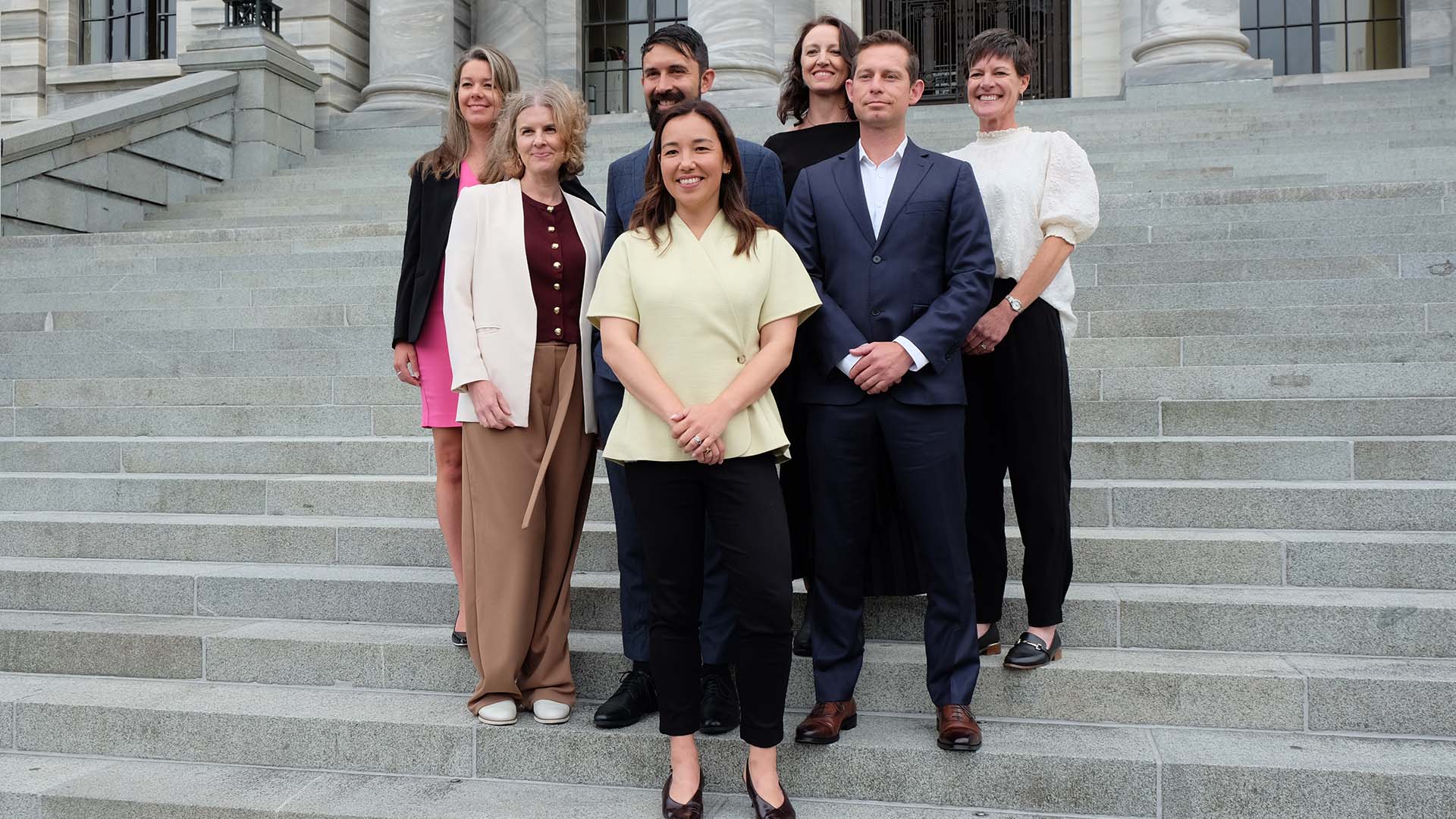
"Obviously we said we would speak to the largest party first, so that is the voters making that decision, and then ultimately we need to align on that future vision for New Zealand, and if we can, through that process of negotiation, agree on that, then we will work with that government," she said.
"If not, we will go and speak to the second party."
They considered the largest party as the one with the most seats, as a majority was formed with seats in Parliament.
Asked if the choice was between a hung Parliament and triggering another election, or working with the right bloc even if it did not meet all their bottom lines, Wong said it was not just up to Opportunity.
"Other parties have a responsibility to play here, that we form a stable government that matters for New Zealand, and we've been very generous with setting out our bottom lines and what we would need to see in order for that to work."
Wong said everyone who voted for Opportunity "has a very clear understanding that we could work with anyone, all the other parties, on a future that we align with".
"We've been very clear on what that future means. It's a low emissions future, which is inclusive of all New Zealanders, so that is how we are approaching the negotiations and discussions with other parties when the time comes.
"I understand that New Zealanders want some stability going forward, and that is a high priority for us."
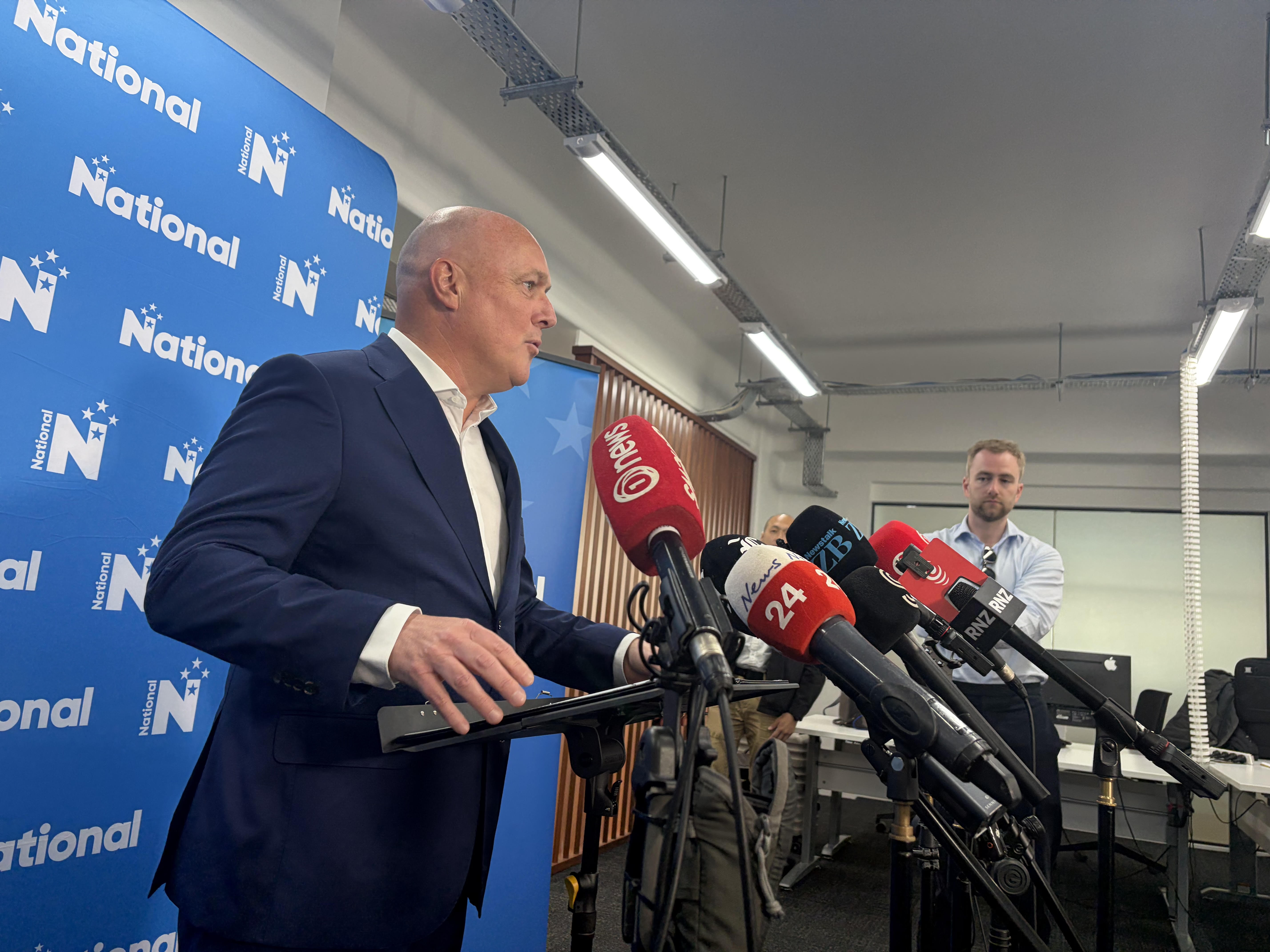
National Party leader Christopher Luxon ruled out working with Opportunity pre-election but now wants to talk to Wong.
On Sunday, asked if he would pick up the phone to Wong, Luxon said it was unlikely they would need Opportunity to form a government, but, "one of the big takeaways over the course of the campaign, but certainly off the results last night, is that there needs to be a lot more cross-party collaboration going forward."
"I do expect, irrespective of the numbers, to actually build a relationship with her and the Opportunity Party in the same way that I expect to build a relationship and deepen a relationship with the existing party leaders in Parliament as well."
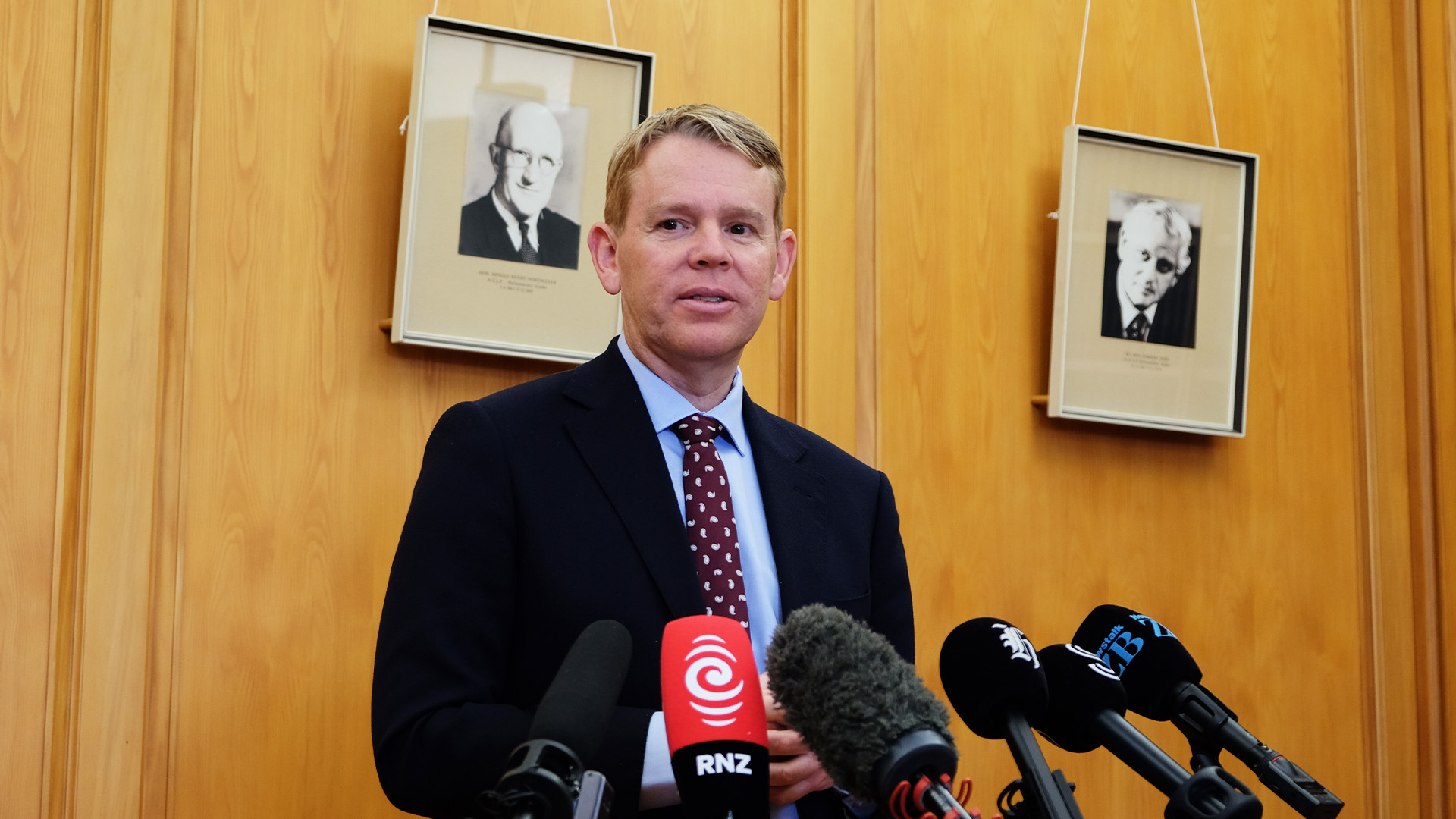
Labour Party leader Chris Hipkins said Labour "could be forming a government before Christmas", despite being behind on the seat count.
"There is still a real chance that we'll win the Wairarapa seat... there's a knife edge result there. So we're waiting for that.
"Hamilton East too... it's a bigger hurdle to get over in Hamilton East, but it's still a possible scenario for us. And the left block of parties has typically picked up seats following the special vote count.
"When there's only one seat in it, there are still a number of different things that could happen. So we will be behind the scenes doing some preparation for that for that eventuality."
The numbers
Projected blocs (66 needed) for a 131 seat Parliament (11 seat overhang)
The right bloc seats: National 42 + ACT 13 + NZ First 12 = 67
The left bloc (with Opportunity and the Greens as Labour's preferred partners): Labour 36 + Greens 16 + Opportunity 7 + TPM 5 = 64
The parties
National Party 29.21% 42 electorate seats, 0 list seats (42 total)
Labour Party 29.36% 21 electorate seats, 15 list seats (36 total)
Green Party 13.30% 2 electorate seats, 14 list seats (16 total)
ACT New Zealand 10.92% 1 electorate seat, 12 list seats (13 total)
New Zealand First Party 9.78% 12 list seats (12 total)
Opportunity Party 5.96% - 6 list seats (6 total)
Te Pāti Māori 0.57% 5 electorate seats (5 total)
The Electoral Commission estimates the number of special votes is approximately 399,365 - approximately 14% of total votes.
The overhang
Parliament has 120 seats, but this election has delivered a staggering 11 extra overhang seats. The overhang is when additional seats are added to Parliament's 120 to accommodate extra MPs due to the difference between electorate and party vote results.
Those seats come from Te Pāti Māori which only received 0.57% of the vote, but were successful in winning five Māori electorate seats. They bring in one new MP, Aperahama Edwards who won Te Tai Tokerau.
The other overhang seats come from National, which only pulled in 29% of the party vote but won 42 electorates.
That meant National brought in no list MPs, so the likes of Nicola Willis, Paul Goldsmith and Gerry Brownlee will not be returning to Parliament. Chris Bishop is also behind by almost 900 votes in Hutt South, meaning he would also not be returning.
Additional reporting by Mandy Te and Ella Somers
We welcome your comments below. If you are not already registered, please register to comment
Remember we welcome robust, respectful and insightful debate. We don't welcome abusive or defamatory comments and will de-register those repeatedly making such comments. Our current comment policy is here.