
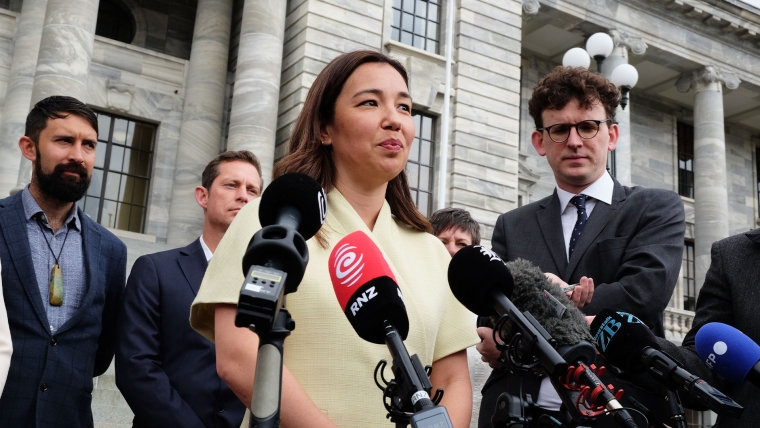
While the fate of the country's governing arrangement is at a standstill until the special votes are delivered on November 27, a closer look into the non-negotiables and bottom lines gives an idea of what policies could weave their way through negotiations and into Parliament.
The Opportunity Party has been the most overt with its bottom lines which "must be included in any coalition or confidence-and-supply agreement the party enters," leader Qiulae Wong said.
Those bottom lines are:
- Giving the Commerce Commission stronger powers and greater independence
- Regulate lobbying and cap political donations
- Develop a 10-year health plan
- Immediately begin phasing out bottom trawling
- Recommit to NZ's Paris Agreement obligations and protect the independence of the Climate Change Commission
The party's big ticket policies, such as the tax package with a citizens' income and land tax, are not among their bottom lines.
Asked about the lack of appetite for a land tax from political parties and the public, Wong previously told interest.co.nz she was not surprised there's was an immediate pushback. "But we've also seen a lot of people that are really interested and curious about having that conversation much more than there has been in the past.”
It's also unlikely Wong would walk away from negotiations entirely if all five bottom lines are not met, Wong telling media being on the crossbenches was an option.
Wong had also ruled out Winston Peters as Minister of Foreign Affairs in a government she was part of. On the other hand, Peters had ruled out working with what he described as the "pinko communists" Opportunity Party.
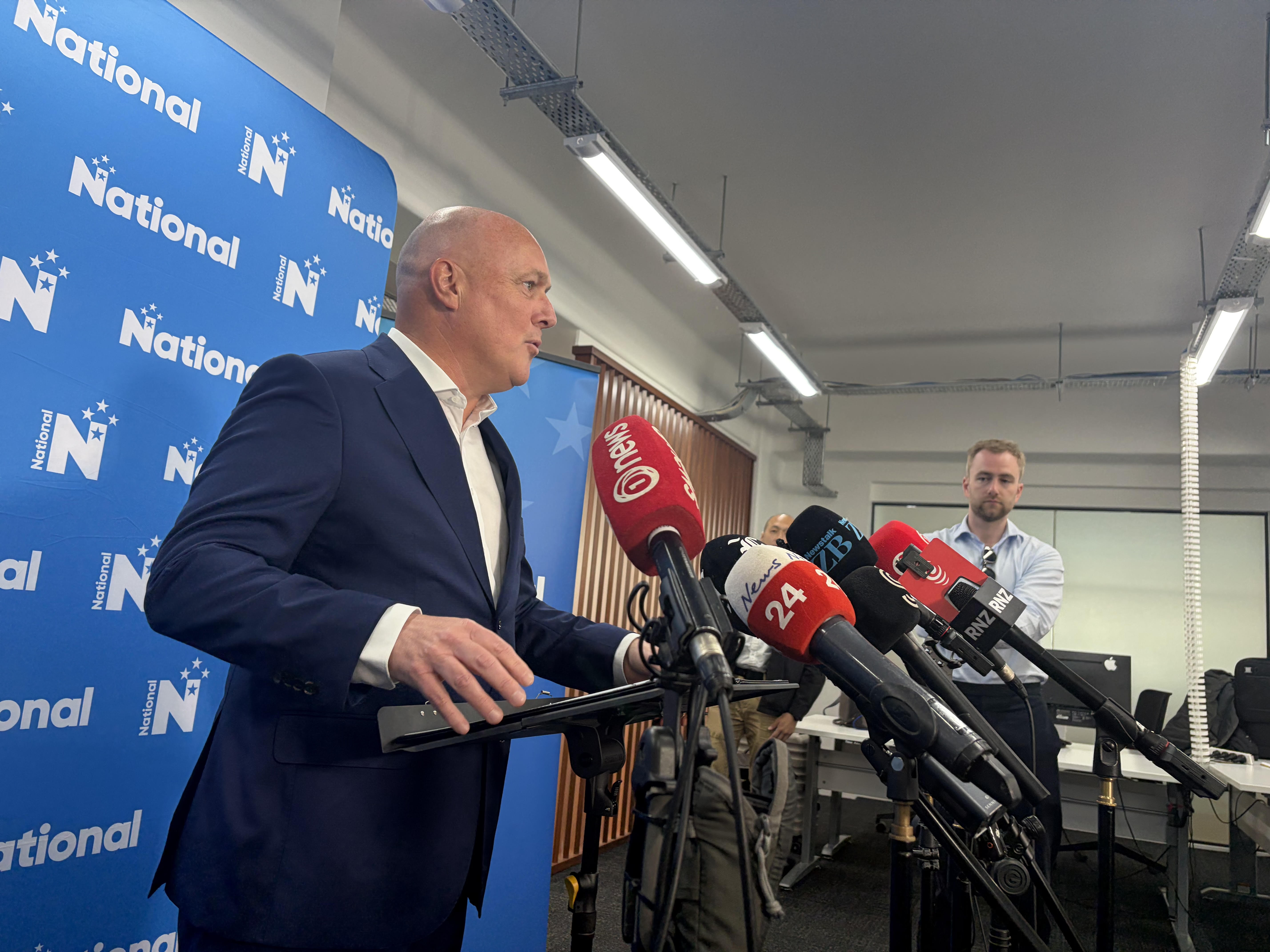
But then, so too did National leader Christopher Luxon rule Opportunity out. Many times. That stance changed a day after the election and Luxon and Wong met.
Staying in the Paris Agreement is a non negotiable for Luxon, as will who will hold the finance role in a government he leads - that being a National Party MP. However, ACT leader David Seymour promptly hit back, telling the NZHerald that everything was negotiable.
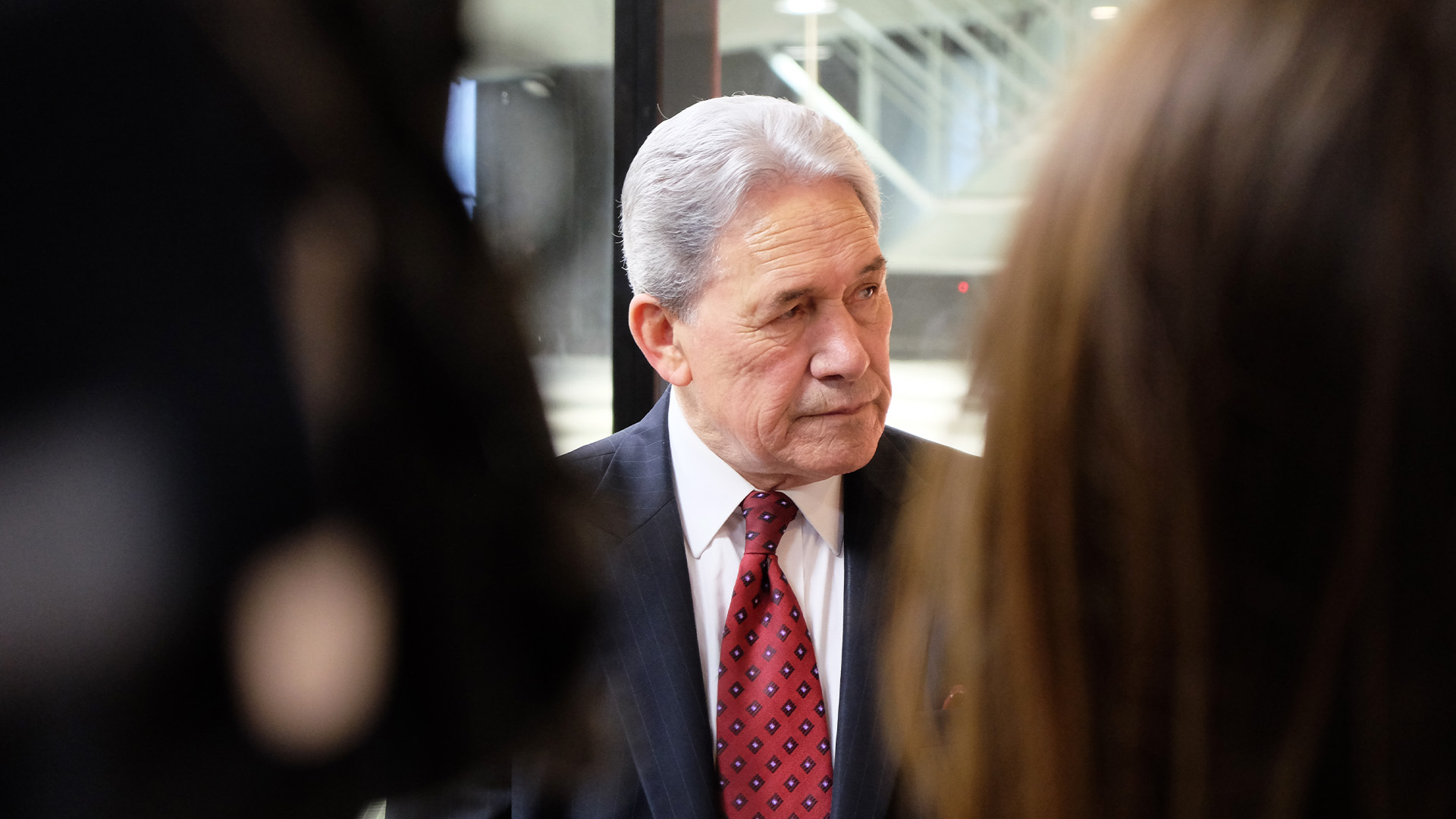
While all political promises may seem to be negotiable in the current cycle, one that has held steady is Winston Peters' veto (as put by The Post editorial) to not raise the retirement age - Peters himself told TVNZ in May this stance was "not a bottom line, it’s a top line."
During one of the election debates he said, "when you talk about bottom lines, [you've] got no idea about negotiations... this is all about inexperience."
Seymour has said he will put his foot down over his coalition partners’ pledges to split Foodstuffs if the coalition is reelected after the election, saying the National and NZ First separation proposal "won't happen."
For Labour, Barbara Edmonds being finance minister is a non negotiable for leader Chris Hipkins, Te Pāti Māori and the Greens not holding police or justice portfolios is another, while Labour MP Ginny Andersen said the party's capital gains tax without changes was a bottom line.
Te Pāti Māori's bottom line is its Te Tiriti entrenchment policy - which includes entrenching Te Tiriti o Waitangi, creating a Tiriti commission and make Waitangi Tribunal recommendations binding.
While parties differ on the range and number of bottom lines and non-negotiables, Luxon has shown how quickly those stances can change after the country has voted.
And now as the public and politicians wait for the special votes, another wait during inevitable negotiations will then reveal whether the parties stay true to their words, their bottom lines and their non-negotiables, or whether Seymour is right and everything's negotiable.
The party preliminary results
National Party 29.21% 42 electorate seats, 0 list seats (42 total)
Labour Party 29.36% 21 electorate seats, 15 list seats (36 total)
Green Party 13.30% 2 electorate seats, 14 list seats (16 total)
ACT New Zealand 10.92% 1 electorate seats, 12 list seats (13 total)
New Zealand First Party 9.78% 12 list seats (12 total)
Opportunity Party 5.96% - 7 list seats (7 total)
Te Pāti Māori 0.57% 5 electorate seats (5 total)
The Electoral Commission estimates the number of special votes is approximately 399,365 - approximately 14% of total votes.
The overhang
Parliament has 120 seats, but this election has delivered a staggering 11 extra overhang seats. The overhang is when additional seats are added to Parliament's 120 to accommodate extra MPs due to the difference between electorate and party vote results.
Those seats come from Te Pāti Māori which only received 0.57% of the vote, but were successful in winning five Māori electorate seats. They bring in one new MP, Aperahama Edwards who won Te Tai Tokerau.
The other overhang seats come from National, which only pulled in 29% of the party vote but won 42 electorates.
We welcome your comments below. If you are not already registered, please register to comment
Remember we welcome robust, respectful and insightful debate. We don't welcome abusive or defamatory comments and will de-register those repeatedly making such comments. Our current comment policy is here.