
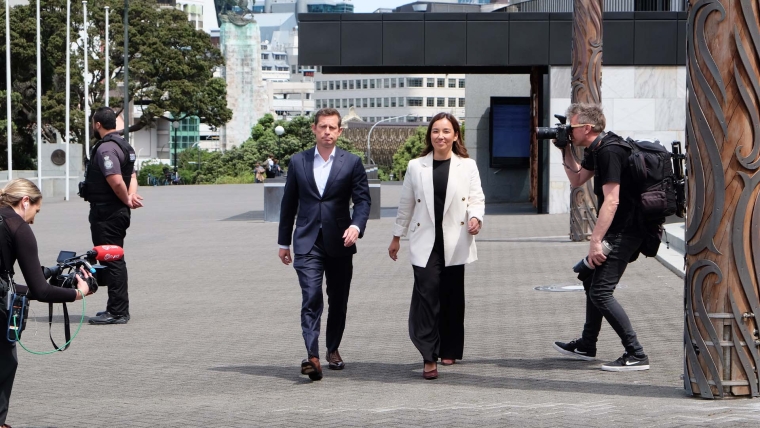
This election just keeps on giving.
The final 2026 election results were released on Friday afternoon in what felt like a university auditorium, with journalists given half an hour to process highly sensitive results on who will run the country.
The crux is the last coalition government of National, ACT and NZ First’s collective result was one short of the 66 seats needed to take power. That’s where the Opportunity Party comes into it.
Over on the left, Labour, the Greens and Te Pāti Māori, with Opportunity, also only have 65. So the left isn’t in a position to govern at all on these results.
There’s always the option of recounts. But as Labour ended up flipping two seats from National, Hamilton East and Wairarapa, and looking at other electoral results, no other seats appear to have tight margins Labour may challenge. Thus it's unlikely for others to be contested by Labour.
So back to the right - there’s two potential but major issues.
One, if NZ First are not comfortable with any type of arrangement with Opportunity, even in an agreement such as a confidence and supply or a cooperation agreement. NZ First leader Winston Peters did not hold a press conference on Friday (as at 5pm), so let’s wait and see on that one.
Two, how strongly the Opportunity bottom lines affect any potential arrangement.
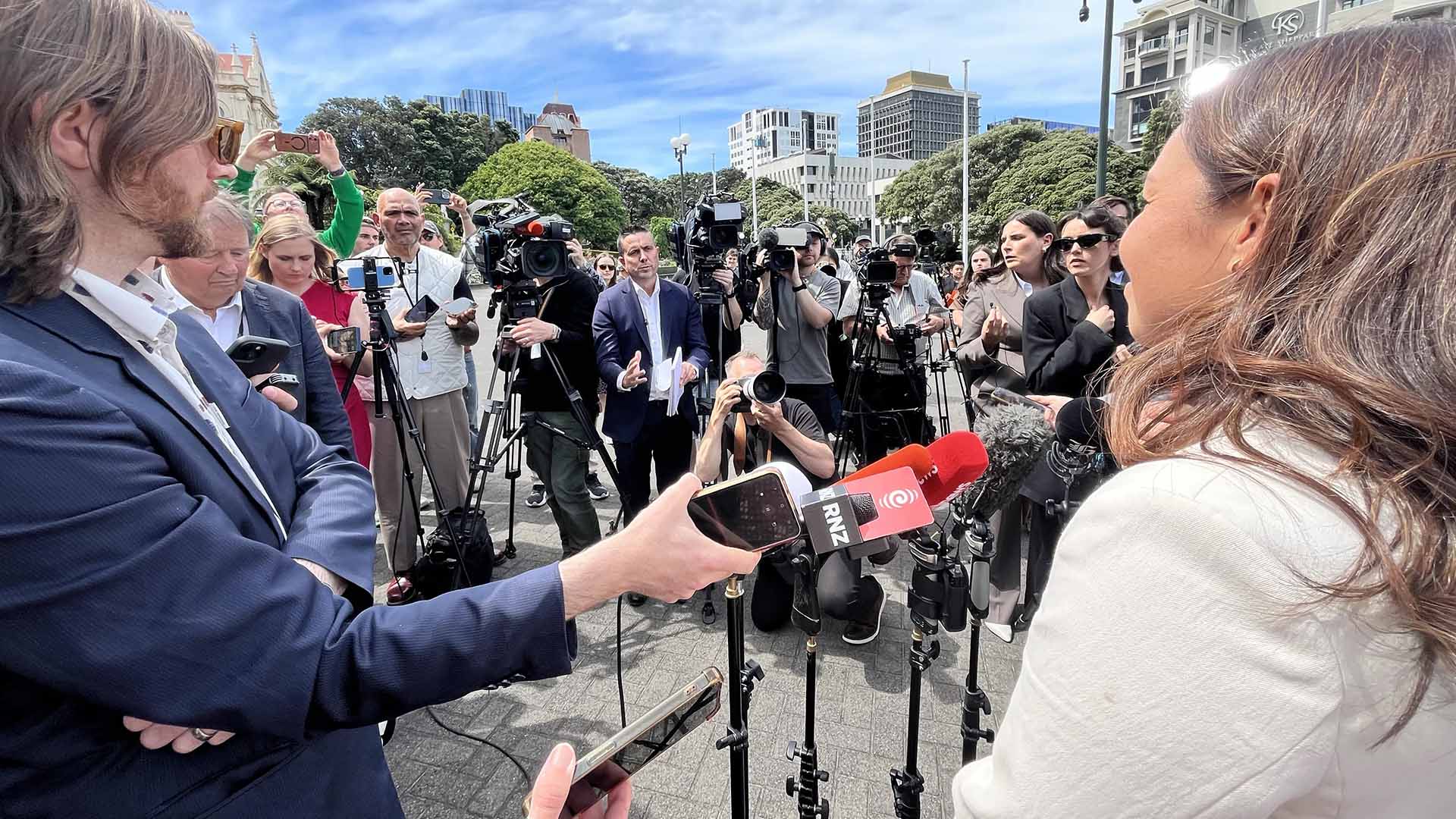
We asked leader Qiulae Wong that today, who said a coalition or confidence supply agreement would be an option if their bottom lines aren't met, but there was also an option of an abstention agreement.
"All options are on the table, including being on the crossbenches."
If a deal can’t be done between the right and Opportunity, we go back to the polls, unless election 2026 throws out some other surprise.
It will be a heavy choice for whoever makes that call. ACT leader David Seymour said if Opportunity made that call, he guessed Wong would “have her first rodeo and her last rodeo very close together.”
Asked if another election was her worst case scenario, Wong said: “I don't think it's about our worst case scenario," emphasising the word 'our'.
"It's about thinking about what's best for New Zealand, and clearly stability is important, but setting that more hopeful and aspirational vision, where we can come together as much as possible as New Zealanders and move forward, I think is the priority.”
While National leader Christopher Luxon and Wong were keen to get negotiating straight away, there’s so many factors at play that could mean we’re in it for the long haul.
Luxon was upfront that it will likely be a slow slog - “these negotiations may be challenging, and they could take some time," he said.
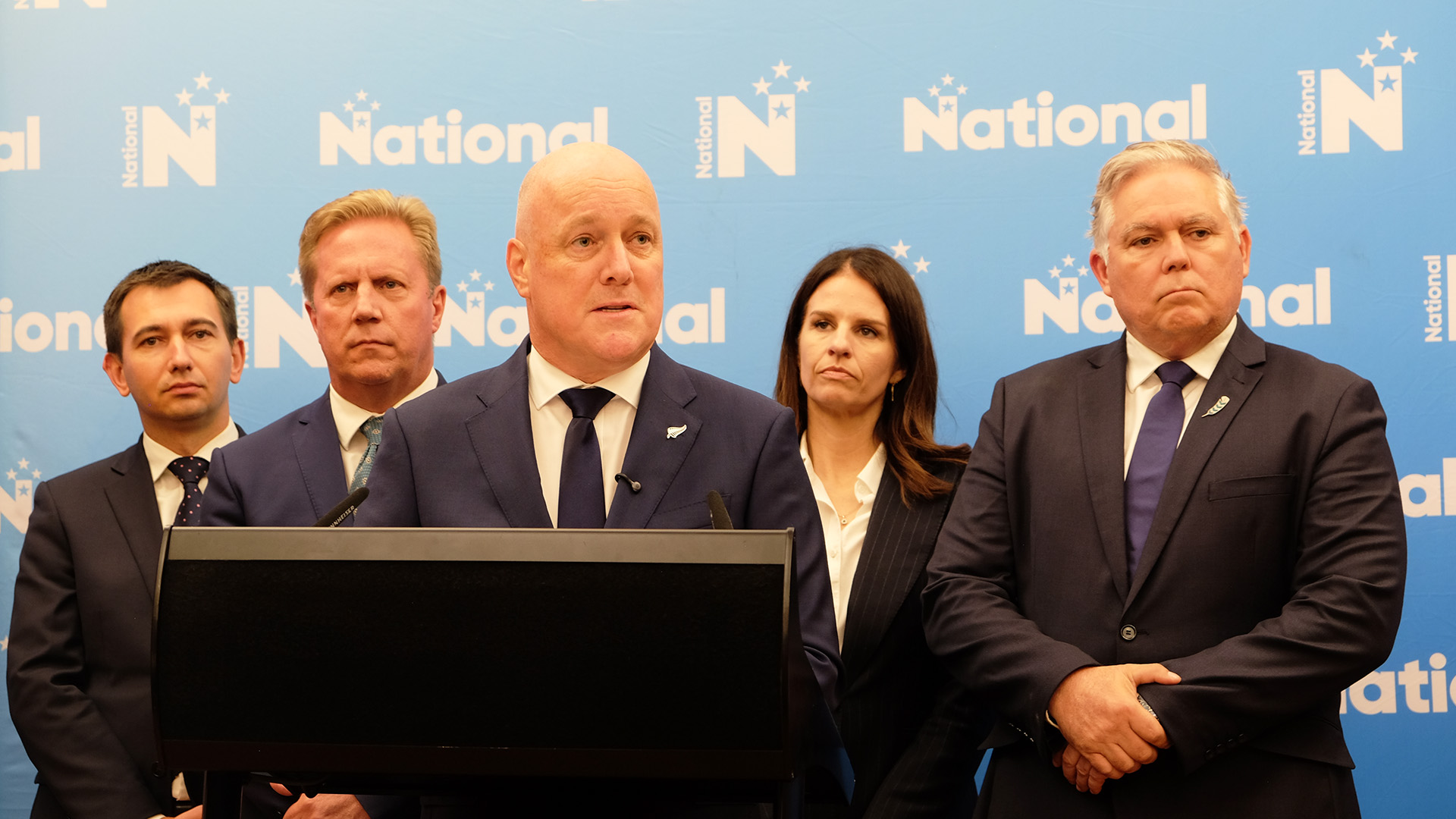
No one could say if it would be wrapped up by Christmas. And no one appeared confident to take a guess.
The vibe at both the Labour and National press conferences were similar - sombre, downcast and tense (National’s even heavier in tone).
Despite that, it’s Labour’s Chris Hipkins’ role as leader that hinges on whatever comes out of this - promising to make a decision on his future once it was clear a government could be formed.
Are we closer to a new government? I would wait to hear what Winston Peters says to make a call on that one.
The final result:
The overhang reduced by one, leaving total seats at 130 rather than the 131 of election night, with at least 66 seats needed for parties to take power. National lost two seats since election day and the Greens won one more.
The right bloc without Opportunity would have 65 seats, meaning Opportunity would be needed to take power. On the other side, the left, even with Opportunity, would have 65, not enough to take power.
National Party 28.35% - 40 electorate seats, 0 list seats (40 total)
Labour Party 28.99% - 22 electorate seats, 14 list seats (36 total)
Green Party 14.06% - 3 electorate seats, 14 list seats (17 total)
ACT New Zealand 10.54% - 1 electorate seats, 12 list seats (13 total)
New Zealand First Party 9.60% - 12 list seats (12 total)
Opportunity Party 6.06% - 7 list seats (7 total)
Te Pāti Māori 0.63% - 5 electorate seats (5 total)
Projected blocs (66 needed) for a 130 seat Parliament (10 seat overhang)
The right bloc seats: National 40 + ACT 13 + NZ First 12 = 65
The right bloc with Opportunity: National 42 + ACT 13 + NZ First 12 + Opportunity 7 = 72
The left bloc: Labour 36 + Greens 17 + TPM 5 = 58
The left bloc (with Opportunity and the Greens as Labour's preferred partners): Labour 36 + Greens 17 + Opportunity 7 + TPM 5 = 65
Electorate vote changes
Seat flips:
- Hamilton East – Labour Georgie Dansey flips from National’s Ryan Hamilton
- Wairarapa – Labour Kieran McAnulty flips from National’s Mike Butterick
- Wellington Bays – Greens Julie Anne Genter flips from Labour's Craig Renney
We welcome your comments below. If you are not already registered, please register to comment
Remember we welcome robust, respectful and insightful debate. We don't welcome abusive or defamatory comments and will de-register those repeatedly making such comments. Our current comment policy is here.