
Introducing new animals and insects to NZ's environment is not without its risks as history has taught us with rabbits, gorse, and opposums.
But the plan to release an insect that burys animal dung 30cm underground in which to lay its eggs seems interesting.
The basis of NZ's low cost pasture based systems revolve around recyling the nutrients back into the soil to allow pasture to enhance its growth.
Our clovers put organic nitrogen back into our soils and our fencing systems allow animal waste to fertilise pastures more evenly over our paddocks.
If this insect can help reduce our dependence on chemical fertilisers and improve the stores of carbon in the soil as well, it should be looked at.
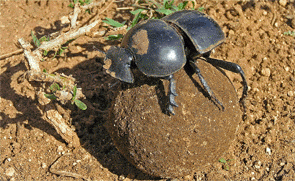
The humble dung beetle, which spends its life rolling and burying balls of poo, could become a weapon against global warming. Environmental regulators are seeking permission to release in NZ up to 11 foreign species of the beetle, which hoover up animal dung for food. The Dung Beetle Release Strategy Group - made up of farmers and other interest groups - says the introduction will lead to a reduction in the greenhouse gas byproduct of dung, nitrous oxide.
Adult dung beetles bury animal dung and lay their eggs in it, and the grubs feed on the dung - effectively spreading the manure under the soil reports The NZ Herald. Group spokesman Andrew Barber said the introduction of the beetles from Australia, the south of France, Spain and South Africa, would bring several benefits for farmers. Among these were the beetles' ability to improve pastures and soil profile by tunnelling 30cm to 60cm to bury manure, aerating the soil and enabling better water penetration, reducing the need for fertilisers. Mr Barber said they would also reduce greenhouse gas emissions from dung.
The beetles aid carbon sequestration by storing the carbon contained in the organic matter deep in the soil. "These will have a big impact potentially reducing nitrous oxide emissions as well as lower fertiliser costs, which would be a big benefit for all of NZ. Mr Barber said that if the idea were approved it could take 15 to 20 years for the beetles to become fully established and for their labours to become obvious.
We welcome your comments below. If you are not already registered, please register to comment
Remember we welcome robust, respectful and insightful debate. We don't welcome abusive or defamatory comments and will de-register those repeatedly making such comments. Our current comment policy is here.