
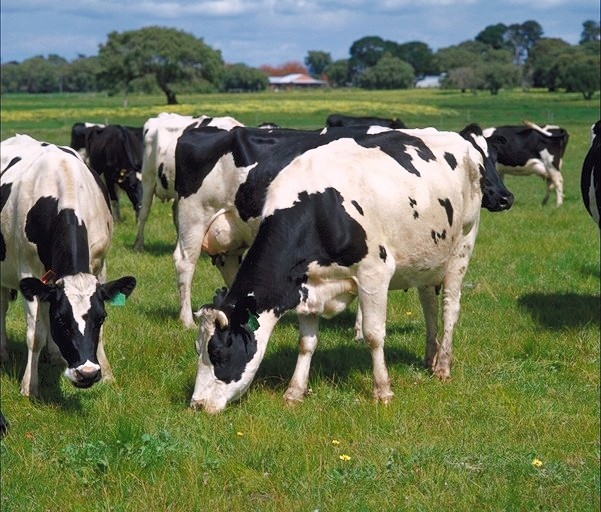
The nations dairy statistics make interesting reading showing the spectacular herd and industry growth over the last 10 years.
It also shows the importance of reliable grass growth generated by irrigation water in Canterbury in producing the highest levels of production.
No wonder Fonterra is opening another dairy factory in Darfield, as this is where it appears future productive capacity lies.
The figures also show the rapid development of dairying in Southland which now houses 10% of the nation's cows.
This province has seen cow numbers increase by 100,000 in the last two years and 40,000ha converted.
Unbelievably, while this province converts from sheep to dairy the two Meat Co-Ops squabble about the future direction of sheep and beef.
There may be little stock left to fight over, unless these two companies unite and return profits back to the farmers again.
The nation's milking cow population has overtaken the human population - the 4.4 million cows now outnumber the 4.39 million New Zealanders. Dairy statistics released today by animal genetics company Livestock Improvement Corporation (LIC) showed that the national herd -- up 144,000 animals on the previous season -- boosted milkflows to 16.5 billion litres. This milk contained 1.44 billion kg of milksolids, with the South Island accounting for 39.3 percent of total milksolids produced.
The production per cow dropped by 1.5 percent in the 2010 season to an average of 318kg milksolids. The highest average production per dairy herd (280,935kg of milksolids), per hectare (1283kg) and per cow (384kg) were recorded in North Canterbury. South Island farms have, on average, more than twice the per-herd production than average herds in the North Island, reflecting a combination of larger herd sizes, a higher stocking rate, and high kilograms of milksolids per cow.
Total herd numbers, increased by 73 to 11,691,and the average herd size continued to increase to 376. Nearly half (49 percent) of all herds - 5762 herd - had more than 299 cows, and 3 percent - 400 herds - had over 1000 cows.
We welcome your comments below. If you are not already registered, please register to comment
Remember we welcome robust, respectful and insightful debate. We don't welcome abusive or defamatory comments and will de-register those repeatedly making such comments. Our current comment policy is here.